
Fabric is the DNA of streetwear. The weight, texture, and finish of your fabric determine not just how your product looks, but how it drapes, how it ages, and how your customers feel wearing it. Yet many brands treat fabric selection as an afterthought, defaulting to whatever the factory recommends.
This guide will give you the knowledge to make fabric decisions with confidence. Whether you are sourcing t-shirts, hoodies, or cargo pants, understanding fabric fundamentals will elevate your product quality and strengthen your brand.
Understanding Fabric Weight (GSM)
GSM (grams per square meter) is the standard measurement for fabric weight. Higher GSM means heavier, thicker fabric. Here is how to think about weight in the context of streetwear:
| Product | Lightweight | Standard | Heavyweight |
|---|---|---|---|
| T-Shirts | 160-200gsm | 200-260gsm | 260-320gsm |
| Hoodies | 280-350gsm | 380-450gsm | 480-600gsm |
| Sweatpants | 280-350gsm | 380-450gsm | 450-550gsm |
| Cargo Pants | 200-250gsm | 280-350gsm | 350-450gsm |
Heavyweight fabric does not always mean better. It depends on your brand positioning. A summer streetwear brand may prefer 220gsm t-shirts for breathability, while a premium streetwear brand will insist on 300gsm+ for that structured, premium feel.
The 6 Essential Streetwear Fabrics
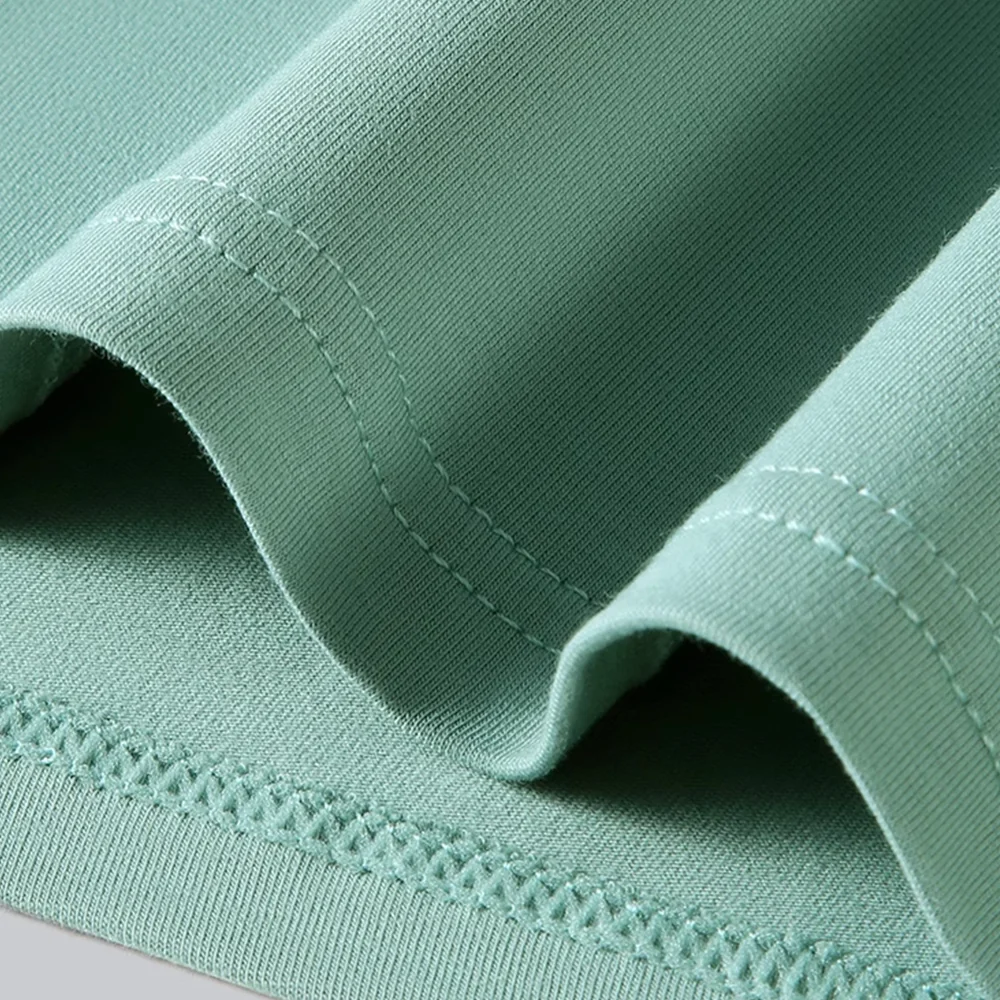
1. Cotton Jersey
The most common fabric for t-shirts and tank tops. Cotton jersey is a knit fabric with a smooth face and soft back. It is breathable, comfortable, and takes prints beautifully.
Best for: T-Shirts, Tank Tops
Weight range: 160-320gsm
Key property: Excellent print receptivity for screen printing and DTG
2. French Terry
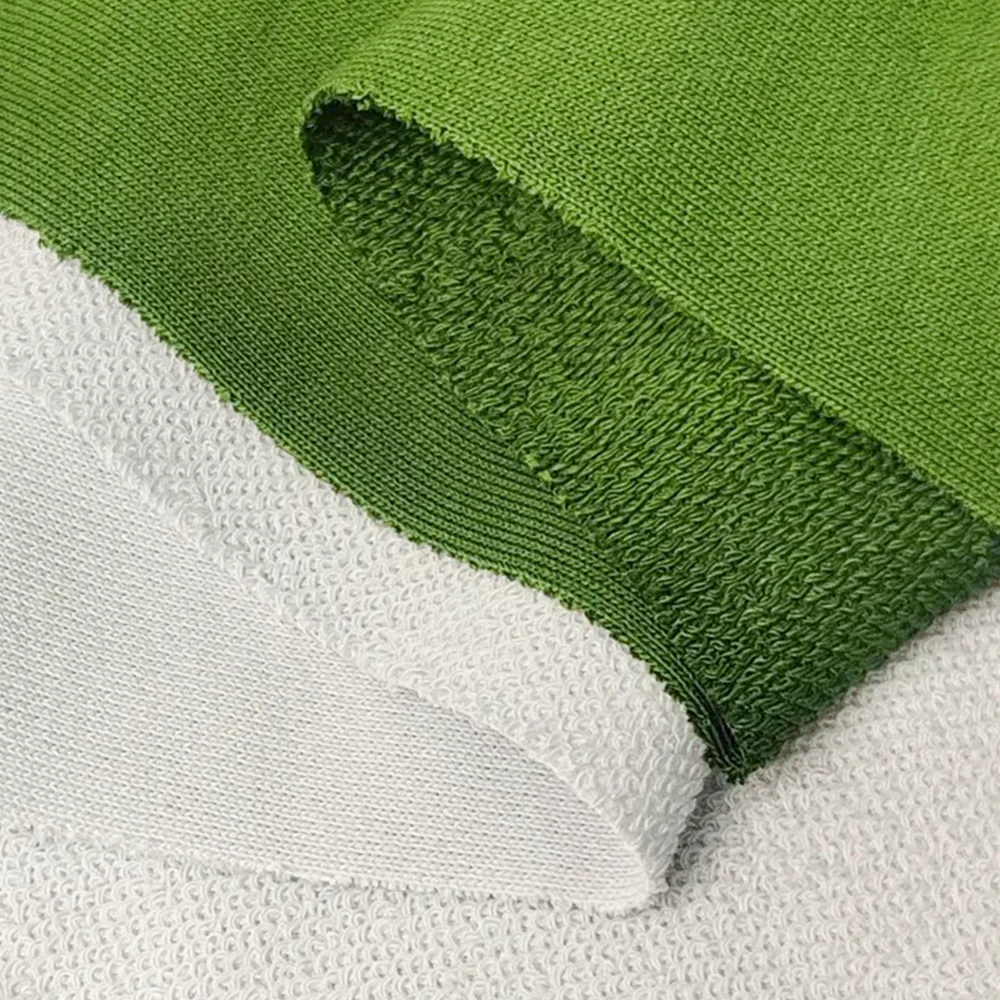
A loop-backed knit fabric with a smooth face. French terry offers medium-weight warmth without the bulk of fleece. It is the go-to for sweatshirts and lightweight hoodies.
Best for: Sweatshirts, Lightweight Hoodies, Shorts
Weight range: 280-400gsm
Key property: Looped interior provides warmth and moisture absorption
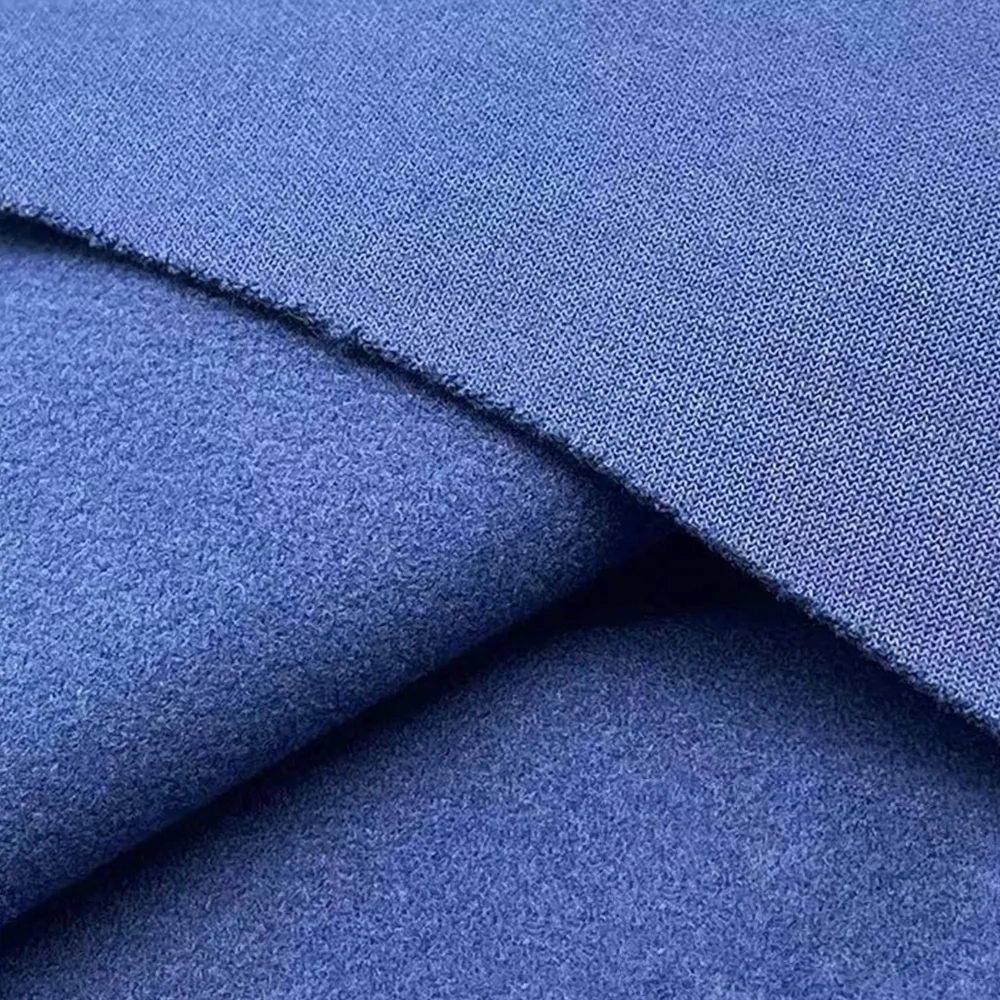
3. Heavyweight Fleece
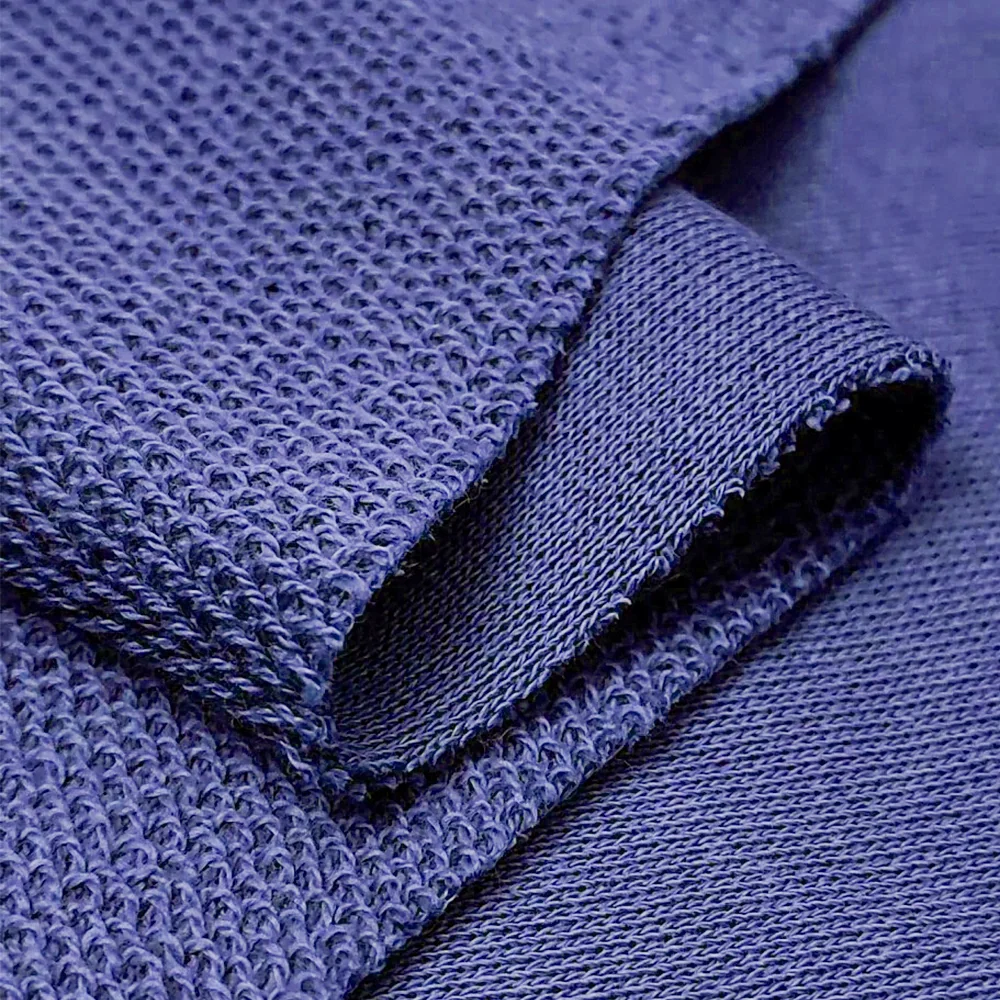
Thick, brushed-back fleece with dense structure. This is the fabric that defines premium streetwear hoodies. The brushing process creates a soft, warm interior while the face remains smooth for printing and embroidery.
Best for: Hoodies, Zip Hoodies, Sweatpants
Weight range: 380-600gsm
Key property: Brushed interior for maximum warmth and premium drape
4. Cotton Twill
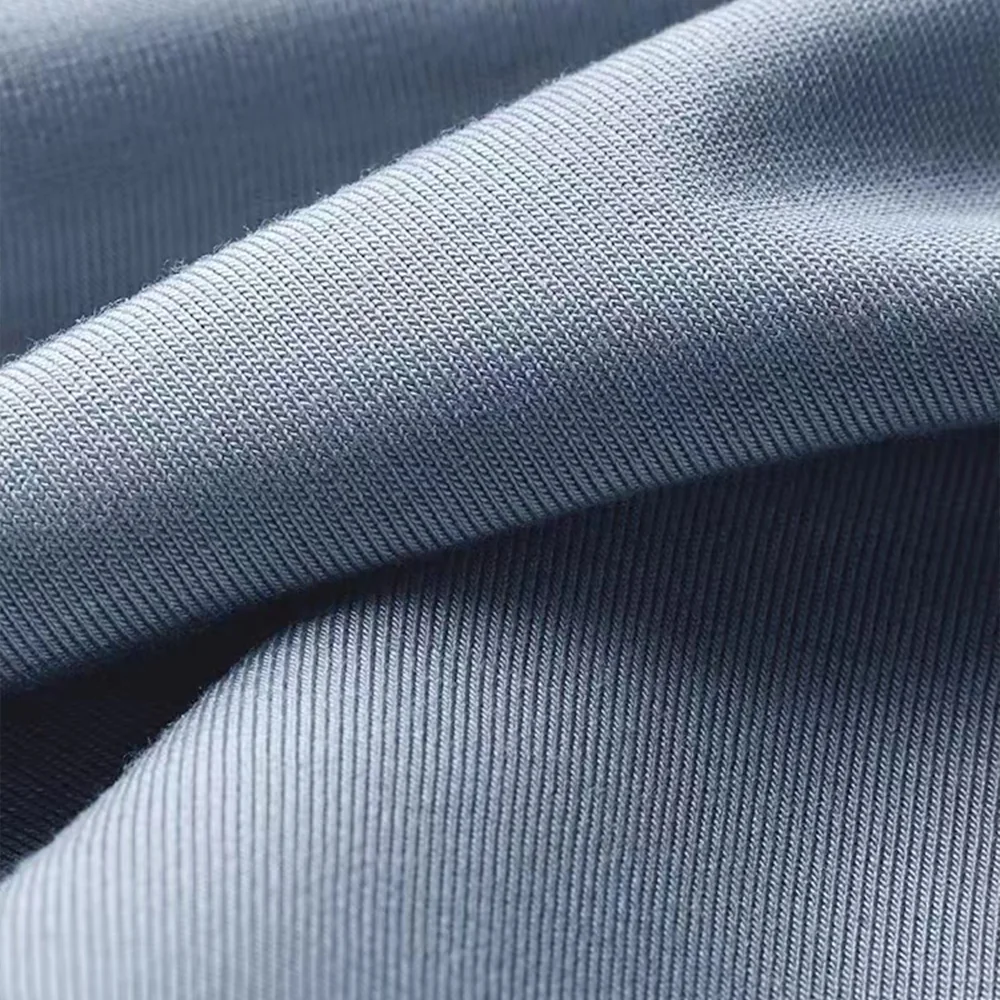
A diagonal-weave fabric known for durability and structure. Cotton twill is the standard for cargo pants, workwear-inspired jackets, and utility shorts. It holds its shape well and takes garment dye beautifully.
Best for: Cargo Pants, Jackets, Shorts
Weight range: 250-450gsm
Key property: Diagonal weave provides exceptional durability and abrasion resistance
5. Denim
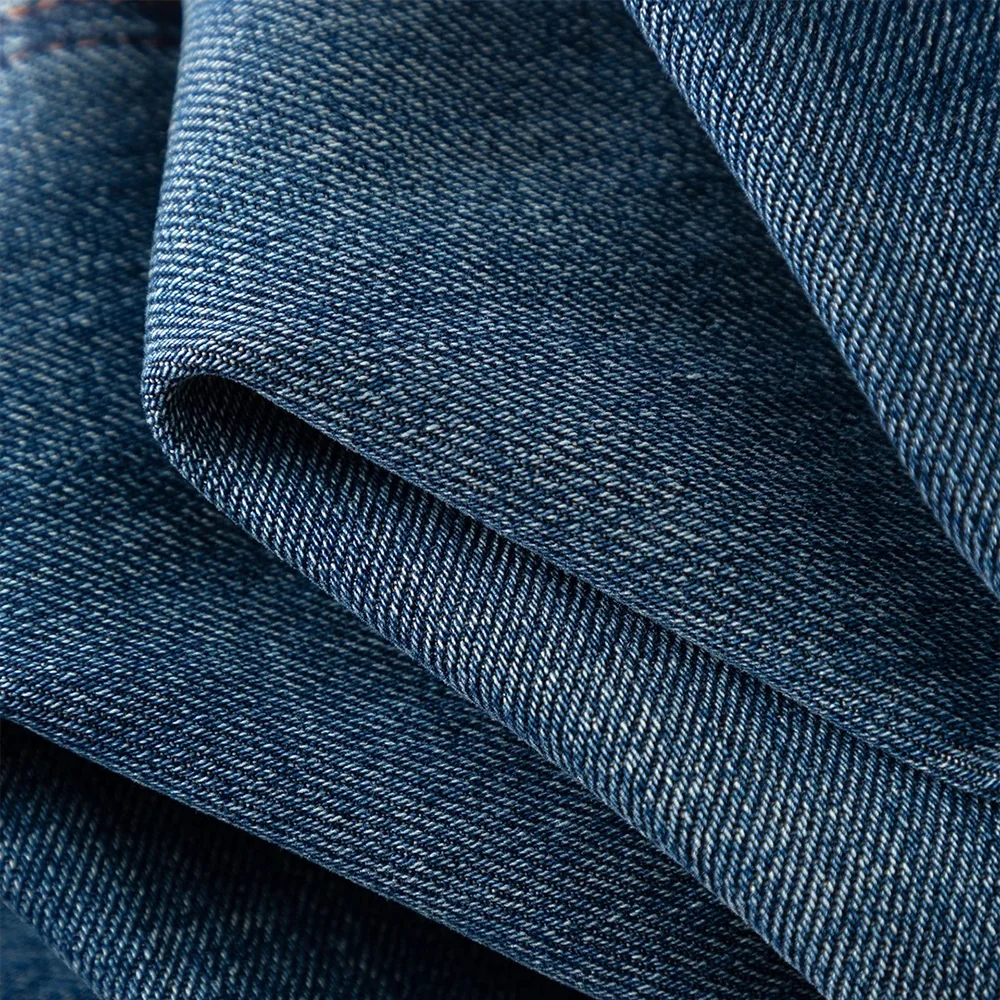
A heavy twill-woven cotton fabric, typically in indigo or black. Denim is the fabric of jeans and classic jackets. It ages beautifully, developing unique fade patterns with wear.
Best for: Jeans, Jackets
Weight range: 10-14oz (approx. 340-475gsm)
Key property: Ages beautifully, supports distressing and vintage wash treatments
6. Nylon Mesh
Lightweight, open-knit synthetic fabric. Nylon mesh is used in athletic-inspired streetwear, layered looks, and techwear panels. It provides maximum ventilation and a distinctive translucent appearance.
Best for: Shorts, Layering Pieces, Techwear
Weight range: 100-150gsm
Key property: Maximum breathability and quick-drying performance
Specialty Fabrics for Premium Streetwear
Beyond the essentials, these fabrics can add unique texture and premium positioning to your collection:
- Velvet — Plush, luxurious pile for statement pieces
- Satin — Smooth, glossy finish for fashion-forward jackets
- PU Leather — Vegan leather for panels and accents
- Wool blends — Natural insulation for premium outerwear
- Recycled Cotton — Eco-friendly option with GRS certification
Explore our complete materials catalog for detailed specifications and available weights.
Fabric Finishes: The Hidden Quality Factor
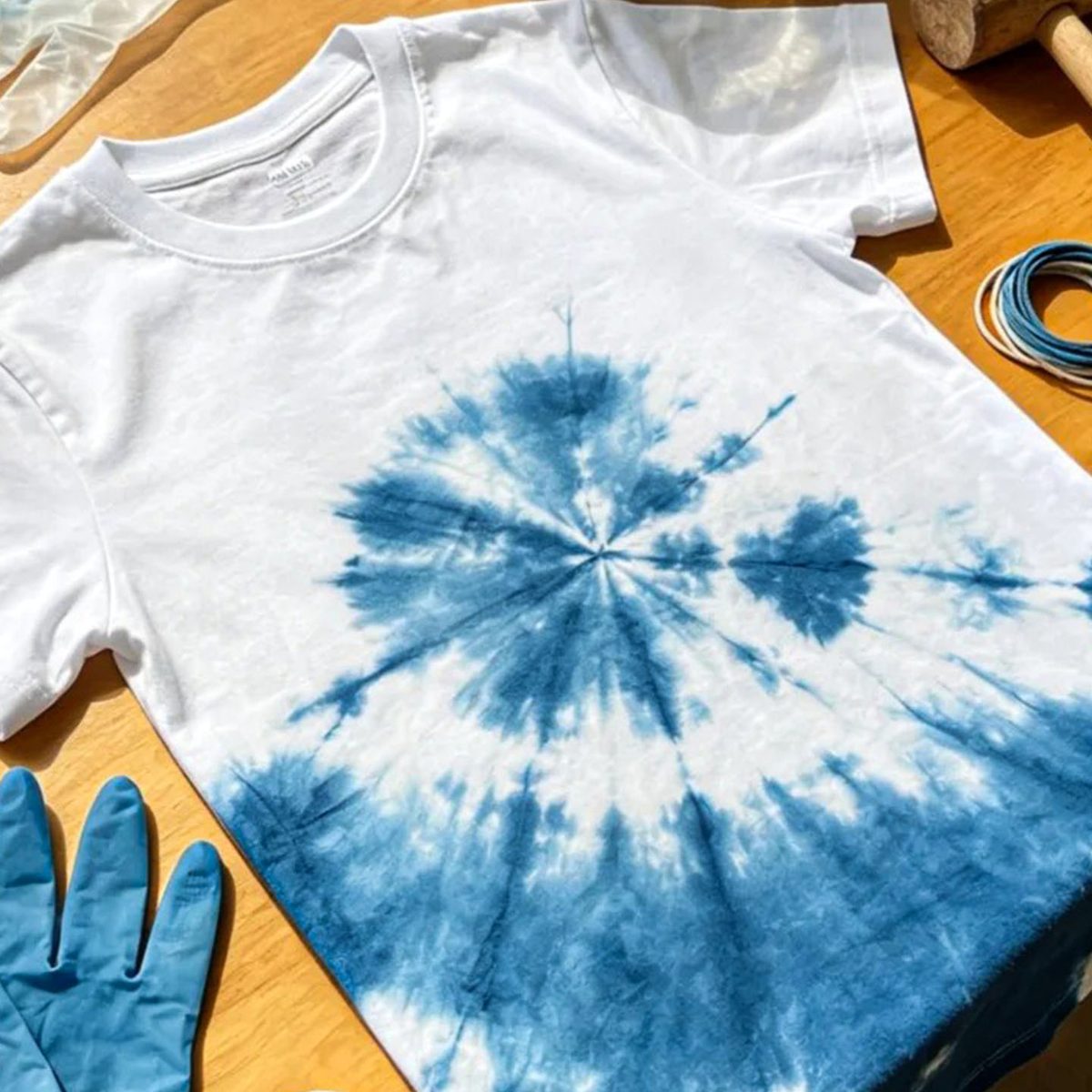
The finish applied to fabric after weaving dramatically affects the final product. Key finishes for streetwear include:
How to Match Fabric to Your Brand
Your fabric choice should align with your brand positioning:
Premium / High-End
- 480-600gsm heavyweight fleece for hoodies
- 300gsm+ cotton jersey for t-shirts
- 13-14oz denim for jeans
- Velvet and satin for statement pieces
- 3D embroidery and chenille decoration
Accessible / Volume
- 380-420gsm fleece for hoodies
- 220-260gsm cotton jersey for t-shirts
- 10-12oz denim for jeans
- Screen printing and flat embroidery
- Standard color palette for cost efficiency
Testing Fabric Quality: What to Check
When you receive fabric swatches from your manufacturer, evaluate these properties:
- Handfeel — Is it soft, smooth, and pleasant against skin?
- Drape — Does it hang naturally or feel stiff?
- Stretch and recovery — If it has elastane, does it bounce back?
- Opacity — Hold it up to light; can you see through it?
- Pilling resistance — Rub the surface firmly; does it pill?
- Shrinkage — Ask for pre-shrunk fabric or test wash a swatch
Conclusion
Fabric selection is where great streetwear begins. By understanding weight, weave, and finish, you can make informed decisions that align with your brand identity and price point. Do not leave fabric selection to your manufacturer alone. Take control of this decision, and your products will stand out.
At DOLUXE, we stock 12 categories of streetwear fabric ranging from 160gsm cotton jersey to 600gsm heavyweight fleece. Contact us to request a fabric swatch book or discuss your project requirements.
DOLUXE — Do Luxury for Your Brands