HEAVYWEIGHT STREETWEAR 300-630+ GSM OEM & ODM CHINA FACTORY SINCE 2007

Heavyweight Streetwear, Built for Brands.

From 300 GSM T-shirts to 500+ GSM hoodies and heavyweight pants, DOLUXE develops and manufactures structured streetwear for brands looking for more than standard garments.

02 / WHAT MAKES IT HEAVYWEIGHT

WHAT MAKES A GARMENT
HEAVYWEIGHT?.

GSM means grams per square meter — the weight of one square meter of fabric. But GSM is only one number. Here is how weight maps to real garments, and why the number alone doesn't tell the whole story.

180–220GSM

Lightweight T-Shirt

Light / Everyday

240–300GSM

Midweight T-Shirt

Premium Casual

300–400GSM

Heavyweight T-Shirt

Streetwear

400–500GSM

Heavyweight Hoodie

Premium Streetwear

500+GSM

Ultra Heavyweight

Structured / Statement

GSM alone doesn't determine how a garment feels. Fabric composition, knitting structure, yarn selection, finishing and construction also affect weight, drape, softness and durability.

03 / CHOOSE YOUR WEIGHT

CHOOSE YOUR
WEIGHT.

Different weights create different structures, drape, hand feel and wearing experiences.

300GSM

Heavyweight T-Shirt

Structured everyday tee with more body and less stretch-out.

400GSM

Heavyweight T-Shirt / Hoodie

The crossover weight — premium tee or a light structured hoodie.

500GSM

Heavyweight Hoodie

Our signature weight — full structure with a premium hand feel.

580GSM

Heavyweight Sweatshirt

Statement crewneck with real density and a confident drape.

630g

Heavyweight Pants

Structured bottoms that hold their silhouette through the day.

04 / HEAVYWEIGHT T-SHIRTS

HEAVYWEIGHT T-SHIRT
MANUFACTURING.

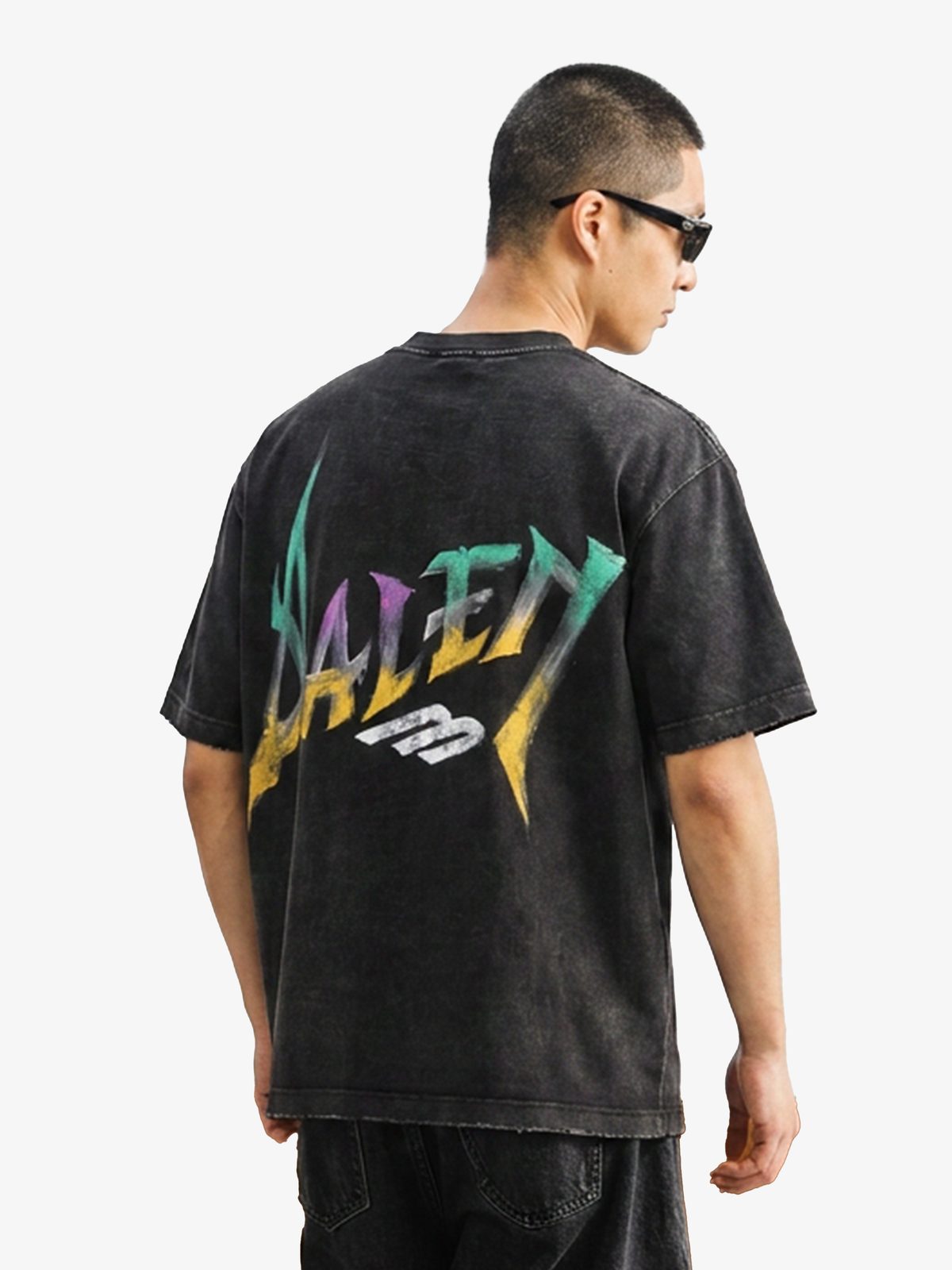
From 300 to 400+ GSM — structured tees with body and density that standard 180 GSM blanks simply can't deliver.

heavyweight oversized t-shirt manufactured by DOLUXE
  • FABRIC WEIGHT300–400+ GSM
  • FITOversized / Boxy / Relaxed
  • FABRICCotton / Blends / Custom Development
  • FINISHINGGarment Wash / Vintage / Distressing / Dyeing
  • DETAILSDrop Shoulder / Rib / Custom Construction
DEVELOP A HEAVYWEIGHT T-SHIRT →
05 / HEAVYWEIGHT HOODIES

HEAVYWEIGHT HOODIE
MANUFACTURING.

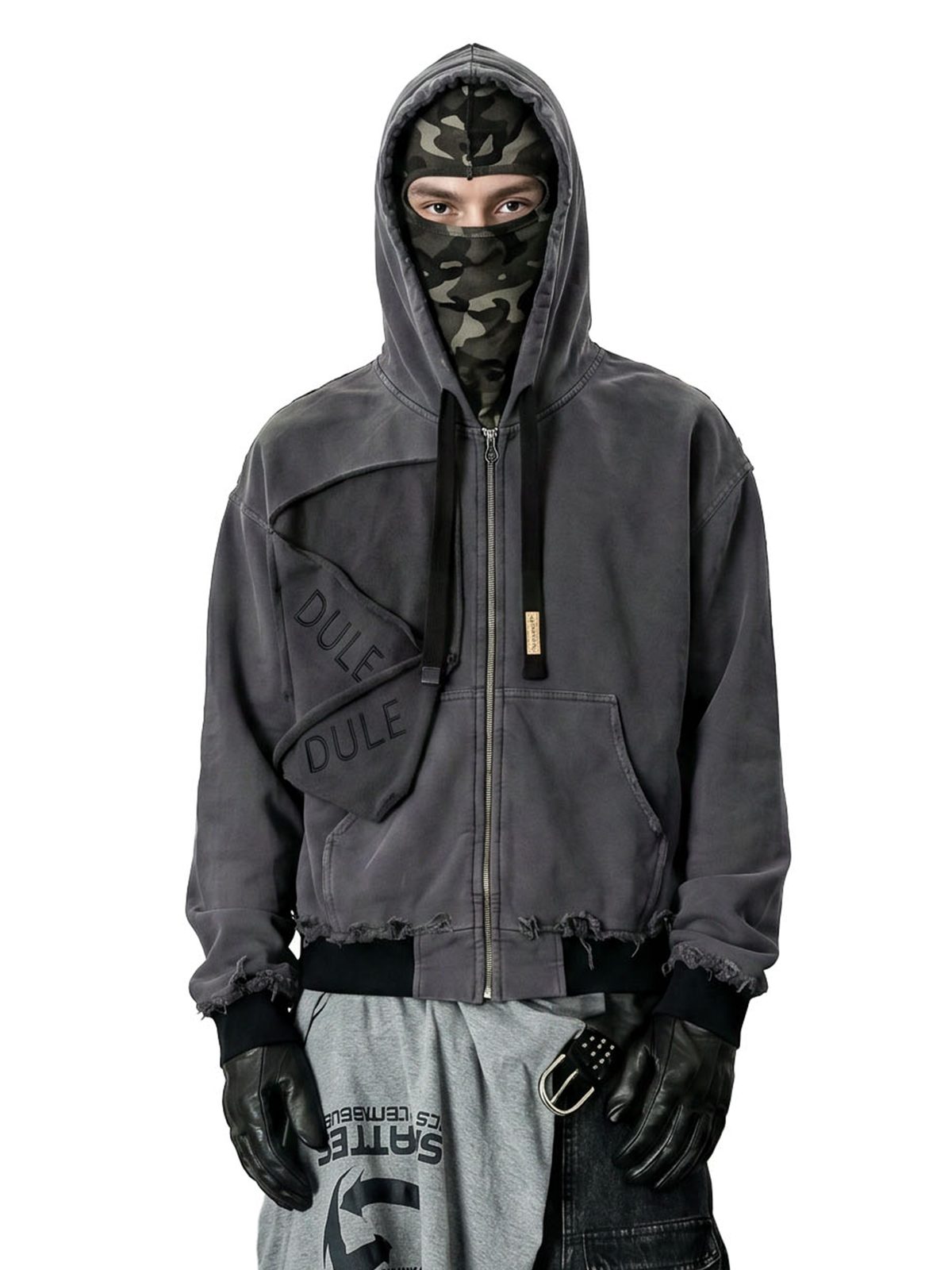
A heavyweight hoodie isn't simply a regular hoodie made with more fabric. The structure has to be engineered — fabric, rib, hood, shoulders, sleeves, pocket and wash all behave differently at higher GSM.

heavyweight 500 GSM hoodie by DOLUXE
  • WEIGHT RANGE400 / 450 / 500+ GSM
  • FABRIC STRUCTUREFrench terry · 3-end fleece · custom knit
  • RIB CONSTRUCTIONHeavy 1×1 / 2×2 rib that holds its shape
  • HOOD SHAPEDouble-layer / structured / lined
  • SHOULDER & SLEEVEDrop-shoulder / raglan, volume for heavy cloth
  • POCKETKangaroo / hidden / welt
  • WASH & SHRINKAGEPre-shrunk · controlled wash
DEVELOP A HEAVYWEIGHT HOODIE →
06 / HEAVYWEIGHT SWEATSHIRTS

HEAVYWEIGHT SWEATSHIRT
MANUFACTURING.

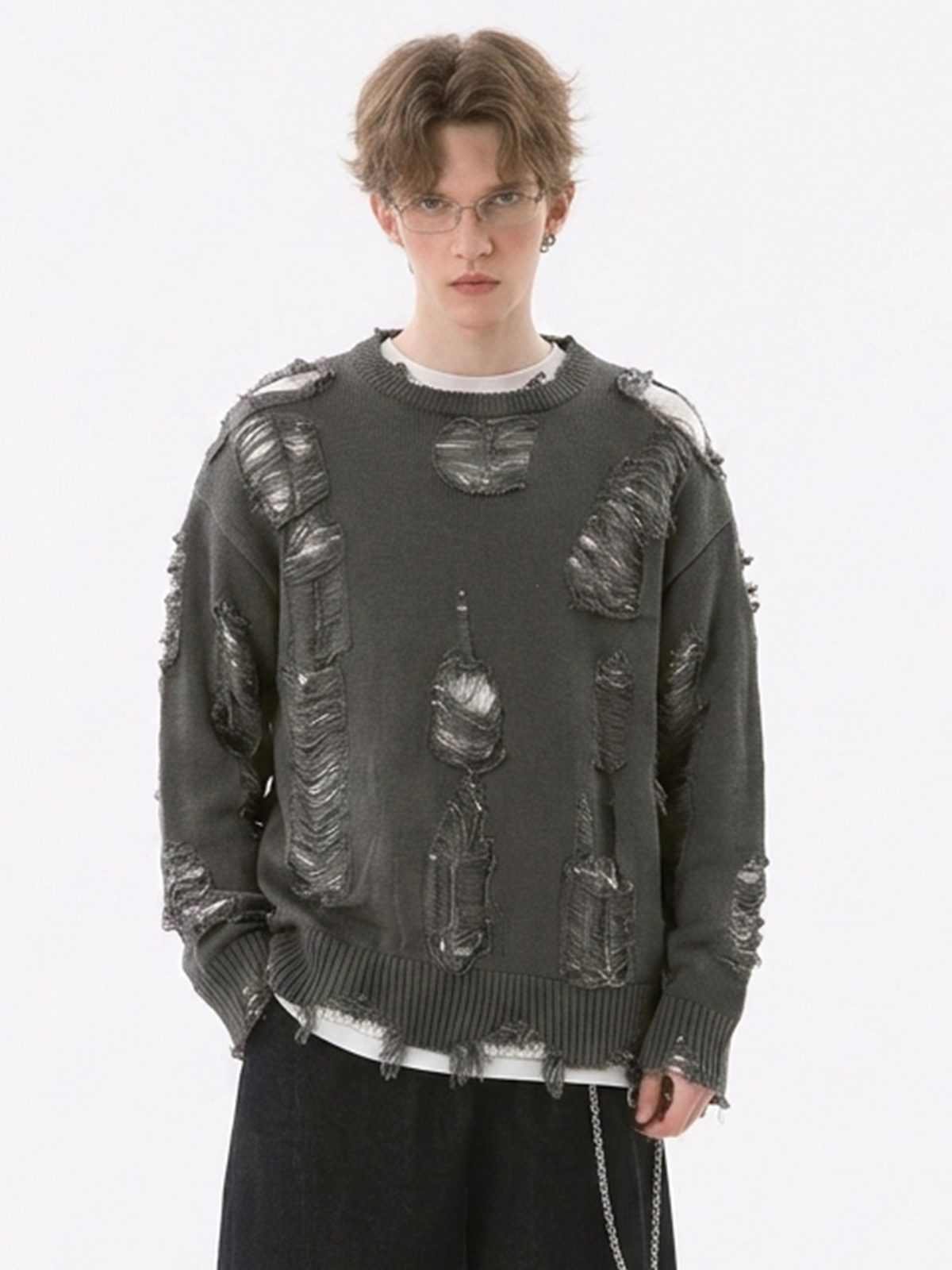
Up to 580 GSM — crewnecks built for density and drape, finished with the treatments that make a garment feel considered rather than heavy for its own sake.

580 GSM distressed heavyweight sweatshirt by DOLUXE
  • SIGNATURE WEIGHT580 GSM Distressed Sweatshirt
  • FITOversized / boxy
  • CONSTRUCTIONDistressed · patchwork · heavy rib
  • SPECIAL WASHINGGarment wash · vintage · enzyme
  • DECORATIONGraphic / embroidery / printing
DEVELOP A HEAVYWEIGHT SWEATSHIRT →
07 / HEAVYWEIGHT PANTS

HEAVYWEIGHT PANTS &
STRUCTURED BOTTOMS.

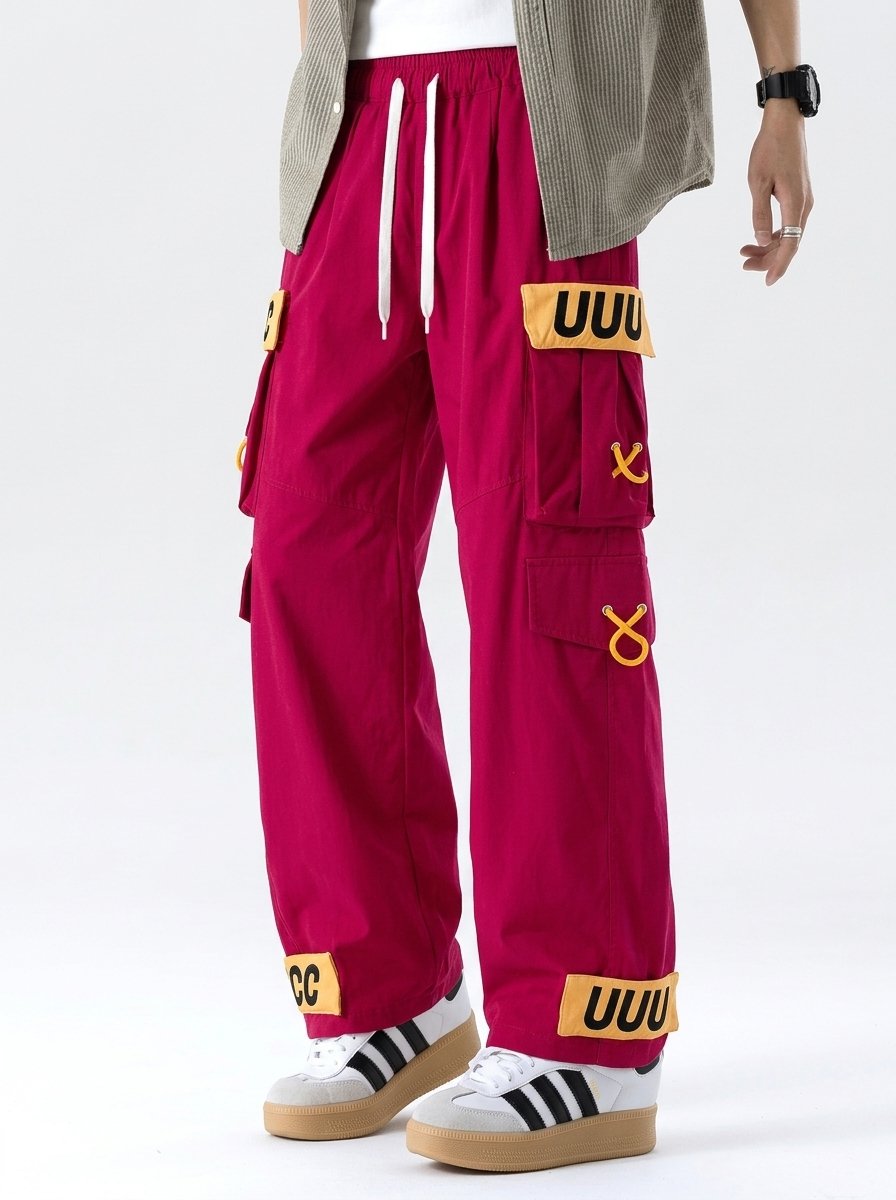
Weight changes the entire behavior of a garment — and nowhere more than in bottoms, where structure, drape and durability decide how a pair of pants actually wears.

630g heavyweight convertible streetwear pants by DOLUXE
  • SIGNATURE WEIGHT630g Convertible Streetwear Pants
  • STRUCTUREHolds a silhouette, not a puddle
  • DRAPEControlled, architectural
  • SILHOUETTEWide-leg / cargo / utility
  • DURABILITYBuilt for repeat wear
  • HAND FEELDense yet broken-in
DEVELOP HEAVYWEIGHT PANTS →
08 / HEAVYWEIGHT MEETS INNOVATION

HEAVYWEIGHT MEETS
INNOVATION.

Heavyweight is only the starting point. On top of weight and structure we add reactive materials, reconstructed construction and experimental details that give a garment a stronger physical and visual identity.

UV

UV COLOR-CHANGING

Reactive materials that transform under UV exposure — photochromic pigments built for the street.

TEMPERATURE RESPONSIVE

Fabrics and prints that change with temperature — thermochromic details that react to body heat.

&

DISTRESSED & PATCHWORK

Layered, reconstructed and distressed construction — hand-finished, one-of-one looks at scale.

EXPERIMENTAL CONSTRUCTION

Asymmetric panels, unusual silhouettes and engineered details that break the standard template.

HEAVY ACCESSORIES

Statement hardware and oversized details that complete the heavyweight language.

09 / HEAVYWEIGHT FABRIC DEVELOPMENT

HEAVYWEIGHT FABRIC
DEVELOPMENT.

Brands searching for heavyweight clothing quickly ask a better question: what fabric is best? The answer starts with composition and structure — not just the number on the scale.

Cotton
Organic Cotton
Pima Cotton
Cotton Blends
French Terry
Fleece
Custom Fabric Development
GSMActual weight per square meter
COMPOSITIONCotton / polyester / elastane ratio
YARNCount, twist and softness
KNITTING STRUCTURETerry / fleece / interlock
SHRINKAGEPre-shrunk and tested
COLOR FASTNESSWash and light tested
HAND FEELDrape, softness, density
No.
10 / IS HEAVIER ALWAYS BETTER?

A HIGHER GSM DOESN'T
MEAN A BETTER GARMENT.

Quality depends on far more than the number on the scale. These are the dimensions we control on every heavyweight order:

  • Fiber quality
  • Yarn quality
  • Fabric construction
  • Shrinkage control
  • Dyeing
  • Finishing
  • Sewing
  • Pattern construction
11 / HEAVYWEIGHT MANUFACTURING PROCESS

HOW WE MANUFACTURE
HEAVYWEIGHT STREETWEAR.

We don't simply copy the standard flow with heavier fabric. Each heavyweight order carries control points that standard-weight production doesn't need.

01

FABRIC SELECTION

We choose the fabric that fits both the target weight and the structure — compact knit, French terry or 3-end fleece matched to the silhouette.

WEIGHT
02

GSM TESTING

Actual gram weight is measured and confirmed against spec before bulk — not assumed from the supplier label.

±3%
03

SHRINKAGE CONTROL

Fabric is pre-shrunk and tested so the finished garment holds its size after the first wash.

PRE-SHRUNK
04

PATTERN ENGINEERING

Patterns are adjusted for high GSM — heavier cloth needs different ease, drape and balance than a 180 GSM blank.

FIT
05

CUTTING

Thick layers are cut with controlled precision so every panel lines up after sewing — critical at 500+ GSM.

±1 MM
06

SEWING

Machines and stitches are tuned for heavy cloth — tension, needle and feed set so seams stay flat and durable.

HEAVY
07

WASHING & FINISHING

Wash and finish are controlled to manage shrinkage, hand feel and surface — garment wash, enzyme, distressing.

HAND FEEL
08

QUALITY CONTROL

Weight, size, color and construction are checked on every lot, with pre-shipment inspection before it leaves the floor.

AQL 2.5

Typical bulk timeline: 20-35 days after sample approval · sampling from 3 days · rush service for capsules

12 / CASE STUDIES

HEAVYWEIGHT STREETWEAR
CASE STUDIES.

Five projects where weight, structure and finishing decided the outcome — not just how we sew.

500 GSM HEAVYWEIGHT HOODIE

CLIENT REQUIREMENT
A US streetwear brand wanted a structured boxy hoodie that keeps its shape after repeated washes — most mills capped at 380 GSM.
PRODUCT DEVELOPMENT
We engineered a 500 GSM 3-end fleece with a compact knitting structure and pre-shrunk finish, then tested the fit across 6 size grades.
MANUFACTURING CHALLENGE
Keeping weight consistent (±3%) across rolls and preventing seam pucker on heavy fabric.
SOLUTION
Adjusted loop tension on the knitting machines, reinforced shoulder and neck seams with heavy-duty flatlock, and pre-washed before cutting.
FINAL PRODUCT
A 500 GSM hoodie with stable fit and uniform drape — max 2.5% shrinkage, now a repeat style for the brand.

UV COLOR-CHANGING T-SHIRT

CLIENT REQUIREMENT
A designer asked for a graphic that reveals under sunlight for a summer capsule drop.
PRODUCT DEVELOPMENT
We sourced UV-reactive pigment inks and tested them on 240 GSM and 320 GSM heavyweight cotton bodies.
MANUFACTURING CHALLENGE
Ink durability vs. UV activation — some pigments faded after a few washes.
SOLUTION
Layered screen printing with a protective clear base, lab-tested for 30+ wash cycles; offered both photochromic (light) and thermochromic (heat) versions.
FINAL PRODUCT
A color-shifting tee that activates outdoors, wash-fast, and production-ready from 50 pcs.

630G CONVERTIBLE PANTS

CLIENT REQUIREMENT
A brand wanted extreme-weight cargo pants with a zip-off convertible function — a first for most factories.
PRODUCT DEVELOPMENT
We built the pattern around a 630 GSM canvas and placed the zip line so both lengths hang cleanly.
MANUFACTURING CHALLENGE
Heavy fabric plus complex zipper engineering stressed the sewing line and raised seam-breakage risk.
SOLUTION
Reinforced every zip insertion with bar-tacks and a double-needle seat seam, then ran a pilot 50-piece batch for wear-testing before bulk.
FINAL PRODUCT
Convertible 630g pants delivered on time, with zero seam failures in wear tests.

DISTRESSED PATCHWORK SWEATSHIRT

CLIENT REQUIREMENT
An indie label wanted an authentic hand-distressed, patchwork crewneck produced at scale.
PRODUCT DEVELOPMENT
We combined garment wash, enzyme fading, and a hand-finishing station for tearing and fraying.
MANUFACTURING CHALLENGE
Consistency — no two distressed garments could look identical, but construction quality had to stay uniform.
SOLUTION
Defined a 3-level distress standard (light / medium / heavy), trained the finishing team against physical masters, and photo-checked 100% of pieces.
FINAL PRODUCT
One-of-one-looking sweatshirts with consistent construction — from 50 to 1,000+ pcs.

300+ GSM OVERSIZED T-SHIRT

CLIENT REQUIREMENT
A European label wanted a premium oversized tee with real body — not the thin, stretchy feel of standard 180 GSM blanks.
PRODUCT DEVELOPMENT
320 GSM combed cotton with a compact single-jersey structure, drop-shoulder boxy fit and a reinforced neck rib.
MANUFACTURING CHALLENGE
Heavier single jersey curls and twists during cutting and sewing, risking skewed panels.
SOLUTION
Relaxed the fabric before laying, used a stable spread, and pre-shrunk before construction to lock the shape.
FINAL PRODUCT
An oversized 320 GSM tee with structure that holds — now a repeat style in 4 colorways.
14 / SEE HEAVYWEIGHT STREETWEAR IN ACTION

SEE HEAVYWEIGHT
STREETWEAR IN ACTION.

From the founder's take on the trend to a real 500 GSM hoodie on the line — this is where the website and the factory close the loop.

13 / FAQ

HEAVYWEIGHT STREETWEAR
— FAQ.

The questions brands ask about GSM, quality and production before their first heavyweight order — answered straight, for both SEO and GEO.

What GSM is considered heavyweight for a T-shirt?

A T-shirt is generally considered heavyweight from around 220-240 GSM upward, with the streetwear standard sitting at 280-320 GSM and premium heavyweight tees reaching 360-400+ GSM. Below 180 GSM is lightweight; 180-220 GSM is midweight.

What GSM is considered heavyweight for a hoodie?

A hoodie is considered heavyweight from about 350-380 GSM upward. Premium structured hoodies sit at 400-500 GSM (French terry or 3-end fleece), and extreme-weight hoodies reach 580-630 GSM. Standard fashion hoodies are usually 250-320 GSM.

Is 500 GSM too heavy for a hoodie?

No — 500 GSM is a premium, structured weight that many streetwear brands specifically request. It holds its shape, drapes cleanly and feels substantial. The trade-off is cost and sewing complexity, which is exactly where a specialist heavyweight manufacturer adds value.

What is the best GSM for streetwear?

There is no single best GSM. T-shirts work well at 300-400 GSM, hoodies at 400-500 GSM, and sweatshirts up to 580 GSM. The right weight depends on the silhouette, the hand feel you want, and how the garment is worn — structure matters more than a high number.

Does higher GSM mean better quality?

No. A higher GSM means more fabric weight, not automatically better quality. Fiber, yarn, knitting structure, finishing and construction decide how a garment actually feels and performs. A well-made 320 GSM tee can outperform a poorly made 500 GSM one.

What is the difference between 400 GSM and 500 GSM?

400 GSM is a solid premium heavyweight — good structure without feeling stiff. 500 GSM is denser and more structured, with a heavier hand feel and stronger drape. The jump mostly shows in hoodies and sweatshirts, where the extra weight changes how the body holds its shape.

Can you manufacture 500 GSM hoodies?

Yes. 500 GSM hoodies are a core product for us — built with 3-end fleece or compact French terry, engineered rib, and sewing tuned for heavy cloth. We produce them as a standard style, not a one-off.

Can you develop custom heavyweight fabrics?

Yes. From 500+ pieces we develop custom GSM, yarn composition, knitting structure, dye and hand feel with our partner mills — including heavy 3-end fleece, compact knits and technical blends tuned to your product.

What fabrics are suitable for heavyweight streetwear?

Heavyweight streetwear typically uses cotton and cotton blends in French terry, 3-end fleece, compact single jersey and interlock. Organic and Pima cotton raise the hand feel; custom blends add stretch or performance. The structure matters as much as the fiber.

Does heavyweight fabric shrink more?

Not if it is controlled. Heavy cotton fabrics can shrink more than lightweight ones if left untreated, which is why we pre-shrink and test every heavyweight lot. With proper pre-treatment, shrinkage stays within 2-3% after the first wash.

How do you control shrinkage?

We pre-shrink the fabric before cutting, run wash tests on each lot, and lock the pattern to the stabilized cloth. Finished garments are measured against spec so the size you approve in the sample is the size that ships at bulk.

Can heavyweight garments be garment washed?

Yes, and it is common. Garment wash, enzyme, stone and acid washes are regularly applied to heavyweight hoodies and sweatshirts to soften the hand feel and create vintage character — as long as shrinkage was controlled earlier in the process.

Can you manufacture oversized heavyweight clothing?

Yes. Oversized and drop-shoulder fits are standard for our heavyweight program. The pattern is engineered for the higher weight so the garment drapes correctly rather than pulling or twisting — which is the main failure point in oversized heavyweight pieces.

What is the MOQ for heavyweight clothing?

The MOQ is 50 pieces per design per color, the same as our standard streetwear. Blank heavyweight apparel starts from 20 pieces. Runs of 500+ pieces unlock custom dye and fabric development, and 1,000+ pieces get the best volume pricing.

How long does it take to develop a heavyweight garment?

Sampling is graded by complexity: a heavyweight style with standard fabric takes about 7-10 days, while custom fabric or unusual construction (convertible pants, patchwork) can take up to 15 days. Bulk production runs 20-35 days after sample approval.

15 / START A PROJECT

HAVE A HEAVYWEIGHT
STREETWEAR IDEA?

Send us your design, tech pack or product concept. Our team can help you determine the right fabric, GSM, construction and finishing for your product.

Replies within 24 hours · No spam · NDA available on request

Certified & Compliant

GOTS ISO 9001 ISO 14001 OEKO-TEX BSCI SGS