F-10
Recycled
Recycled Polyester
100% rPET from post-consumer waste. Smooth hand-feel, ideal for linings and light outerwear.
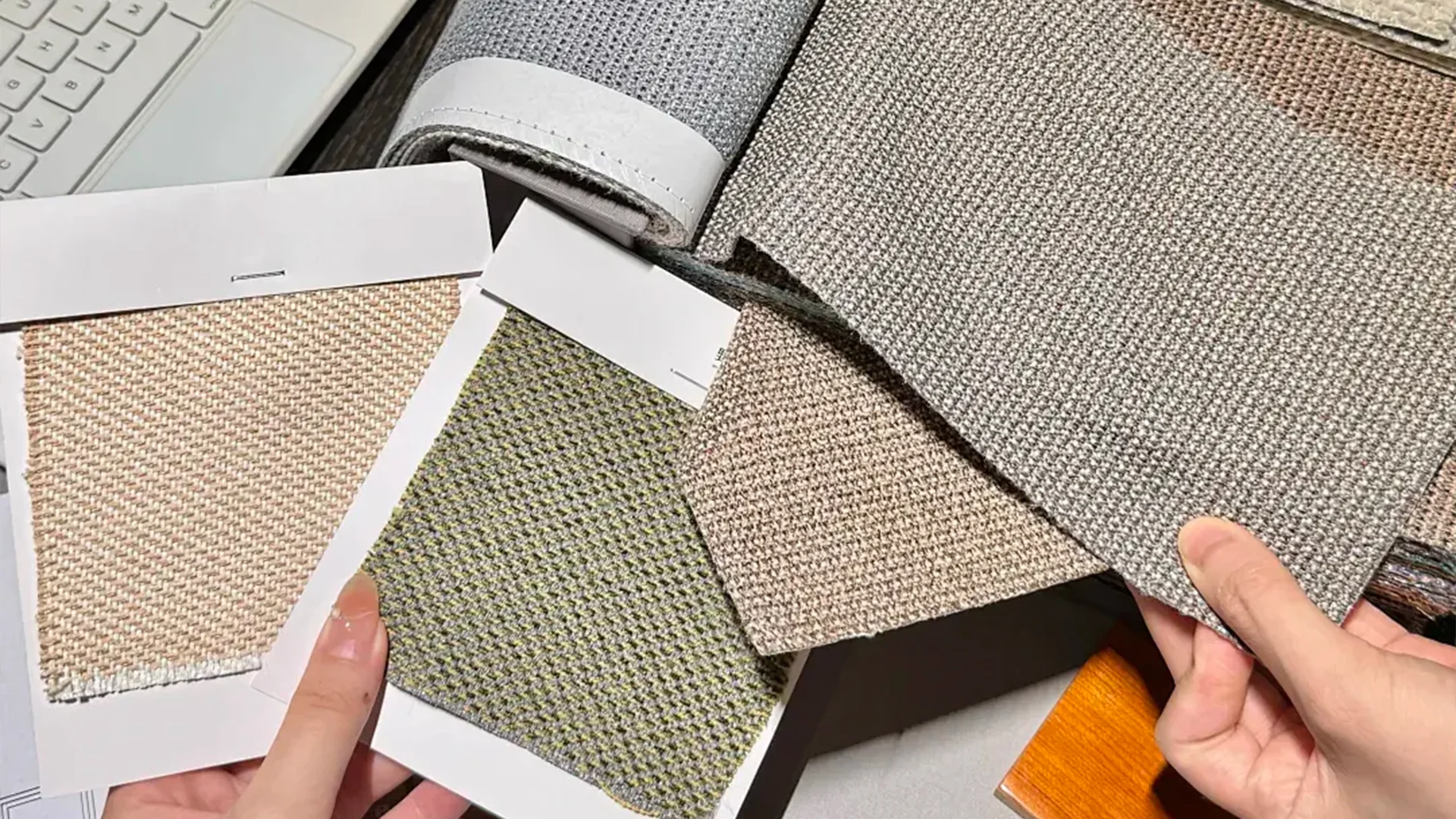
13 stock fabrics, hand-sourced and lab-tested. From combed cotton to 14oz selvedge. The foundation of every garment we make.
All 16 in stock. Lab dips available for Pantone matches on request.
Lower impact without losing the streetwear edge.
100% rPET from post-consumer waste. Smooth hand-feel, ideal for linings and light outerwear.
GOTS-certified organic cotton with a natural slub texture. Vintage feel with a cleaner footprint.
Woven on shuttle looms for durability and character. Less waste, longer life cycle.
Not sure which fabric? Start with what you're making.
Focus on comfort and print fidelity. Heavyweight provides structure, recycled cotton suits eco positioning.
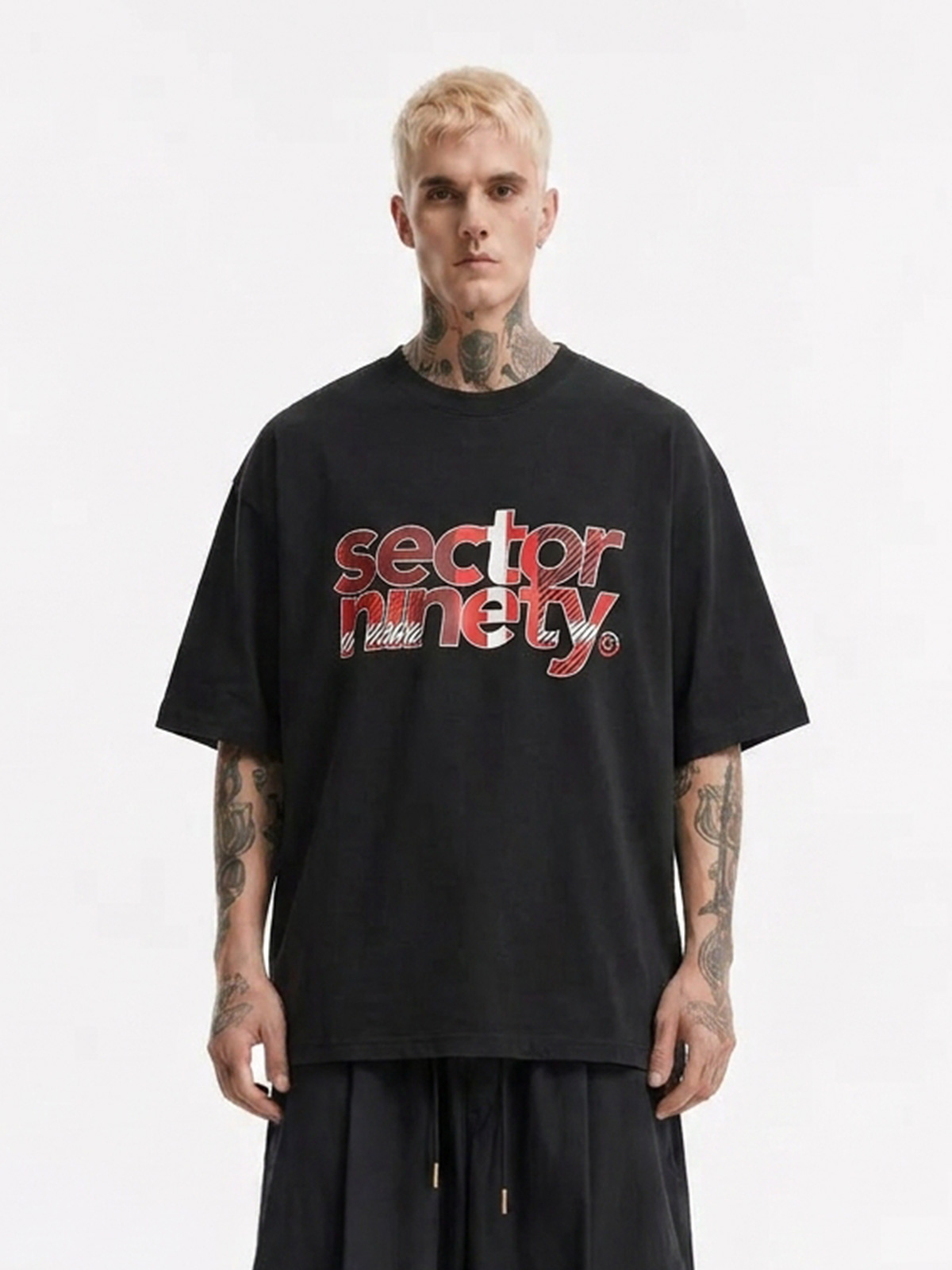
F01 Cotton 180g
F08 Slub 190g
F13 Recycled
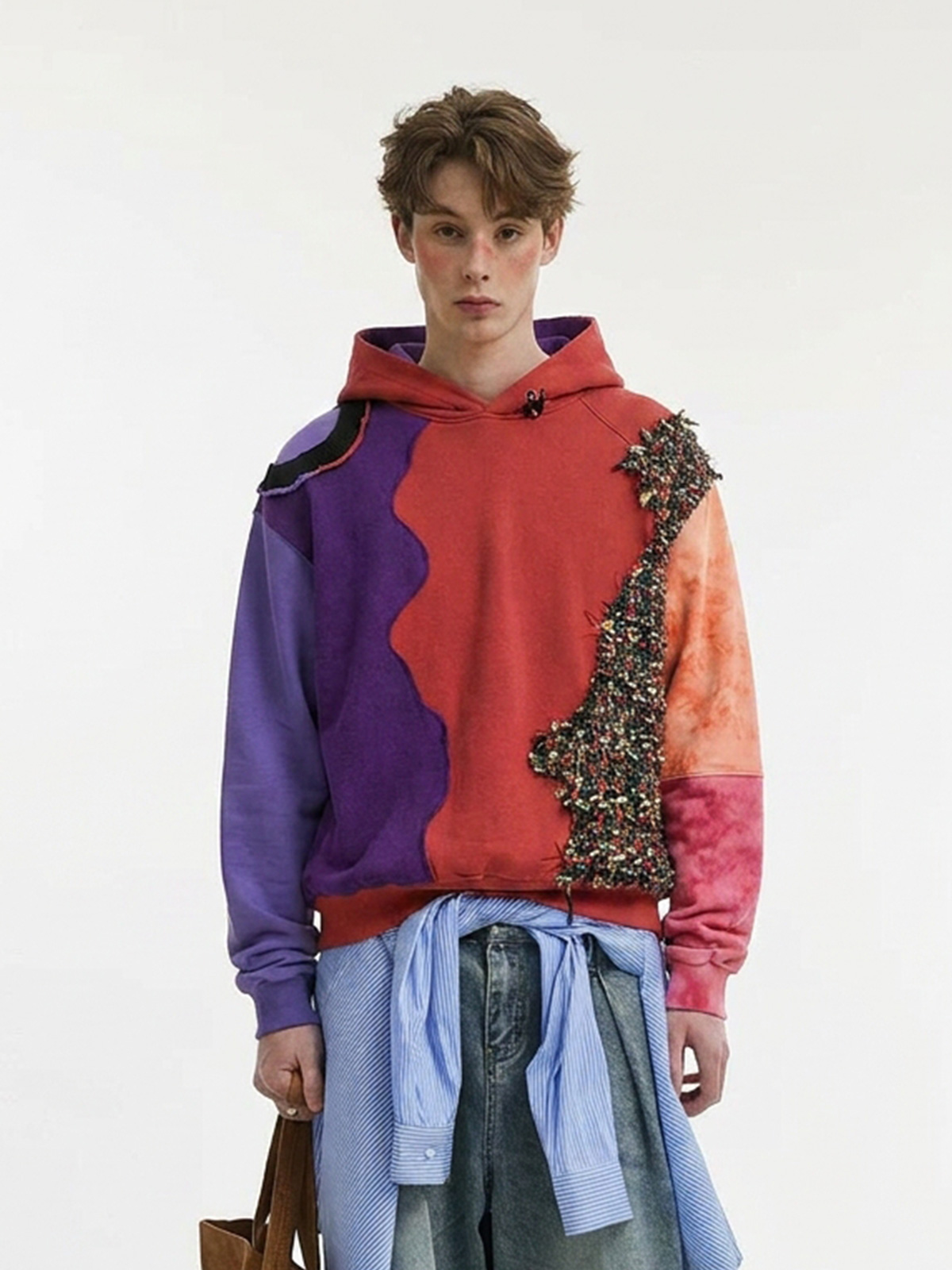
Streetwear core category. French Terry provides hand-feel and structure, fleece adds winter warmth.
F03 French Terry 380g
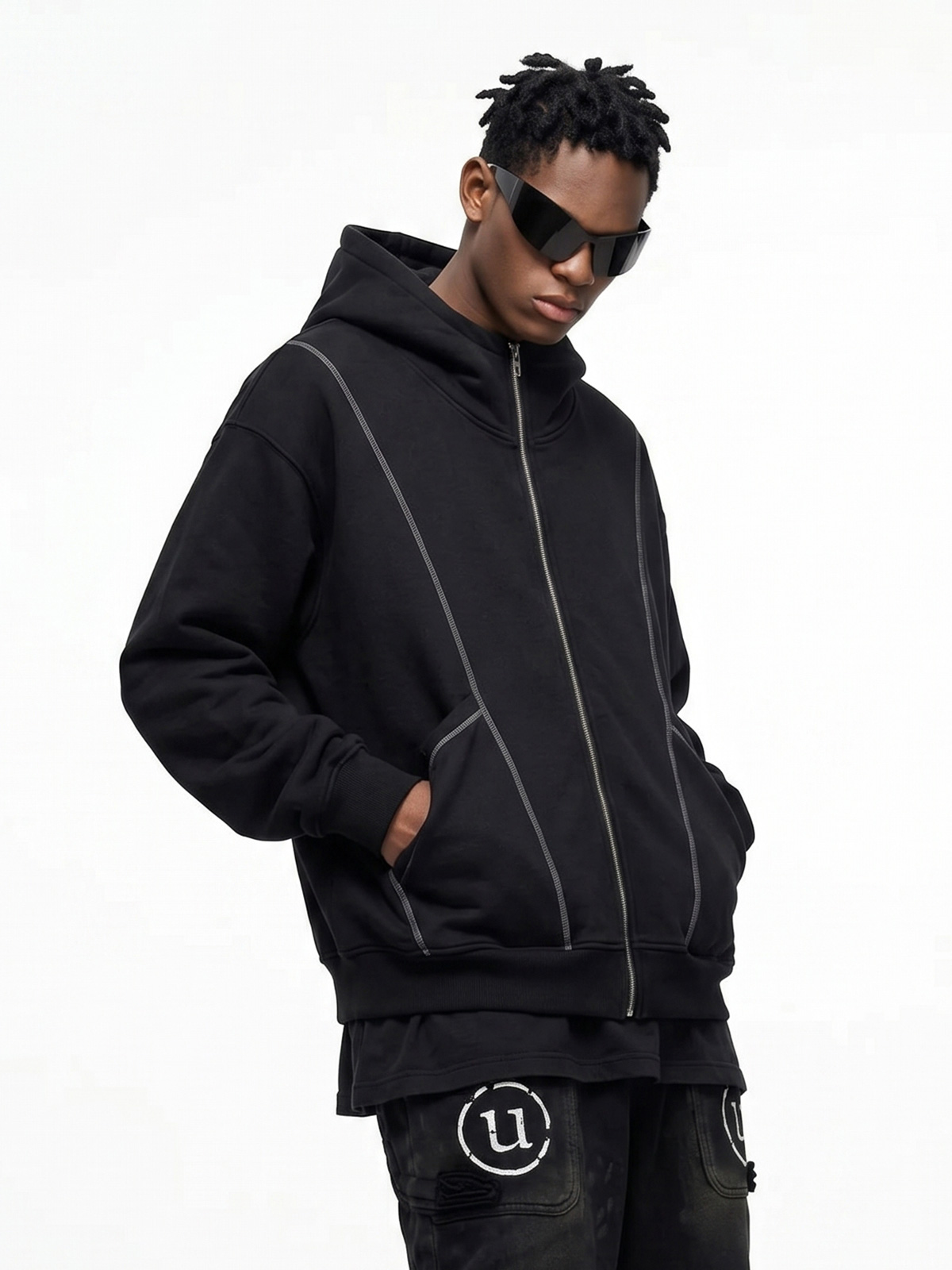
F04 Fleece 420g
F05 Loop Terry 320g
Functionality and texture combined. Nylon suits techwear, denim and twill fit streetwear classics.
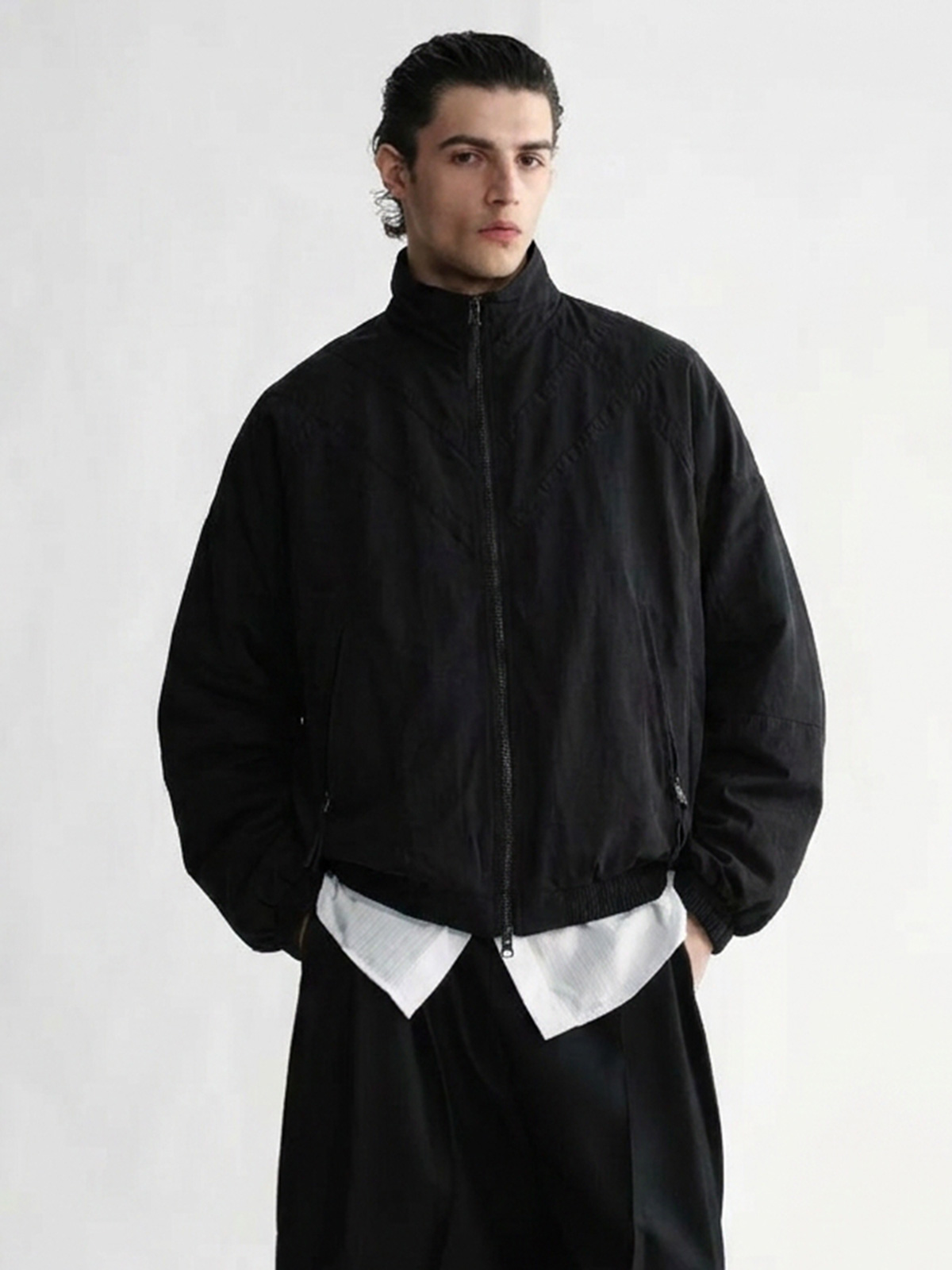
F09 Nylon
F11 Denim 14oz
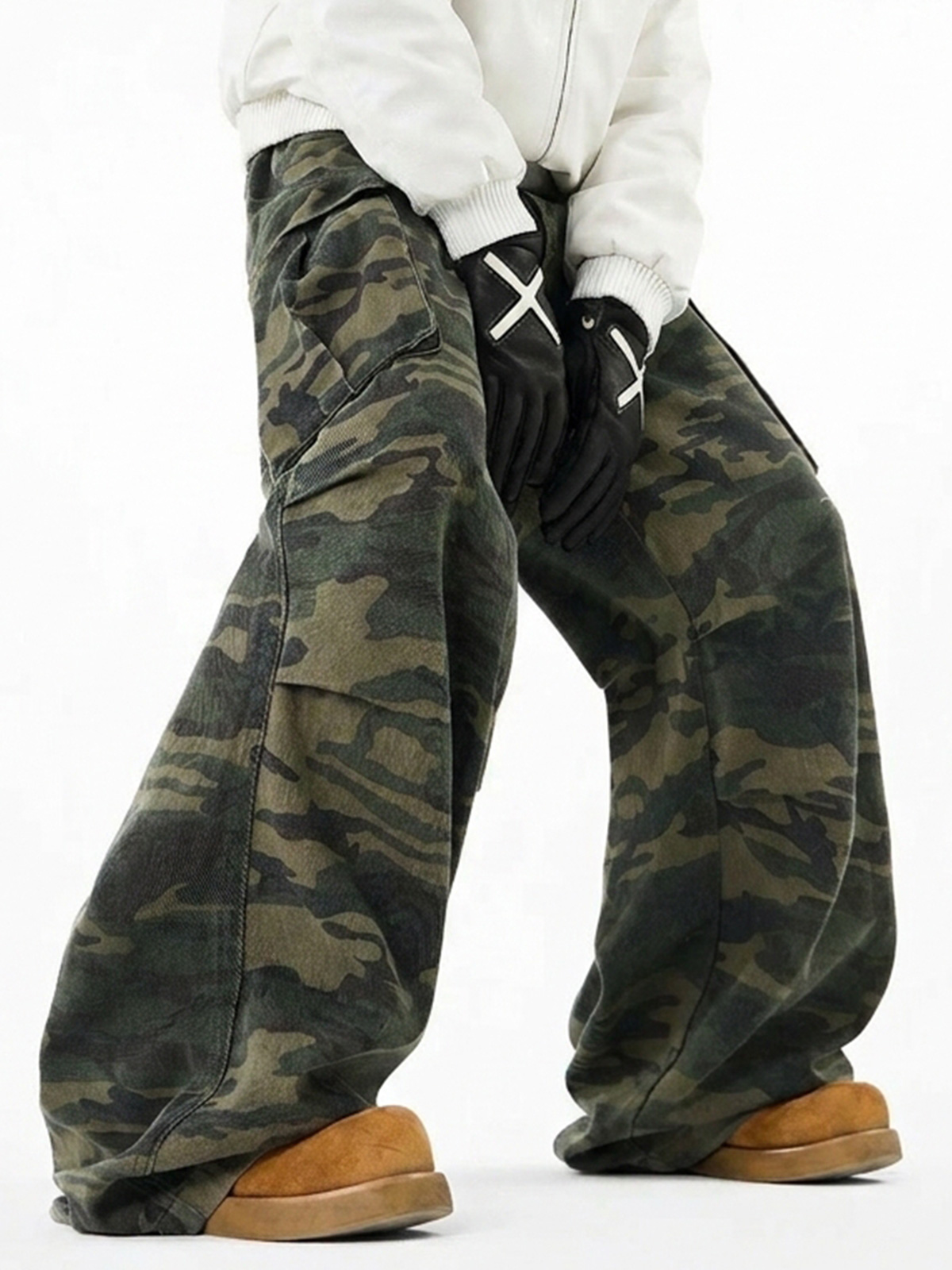
F12 Twill 260g
Structure and drape balanced. Denim / twill provide rigidity, knit series enhance athletic comfort.
F11 Denim 14oz
F12 Twill 260g
F03 Terry 380g
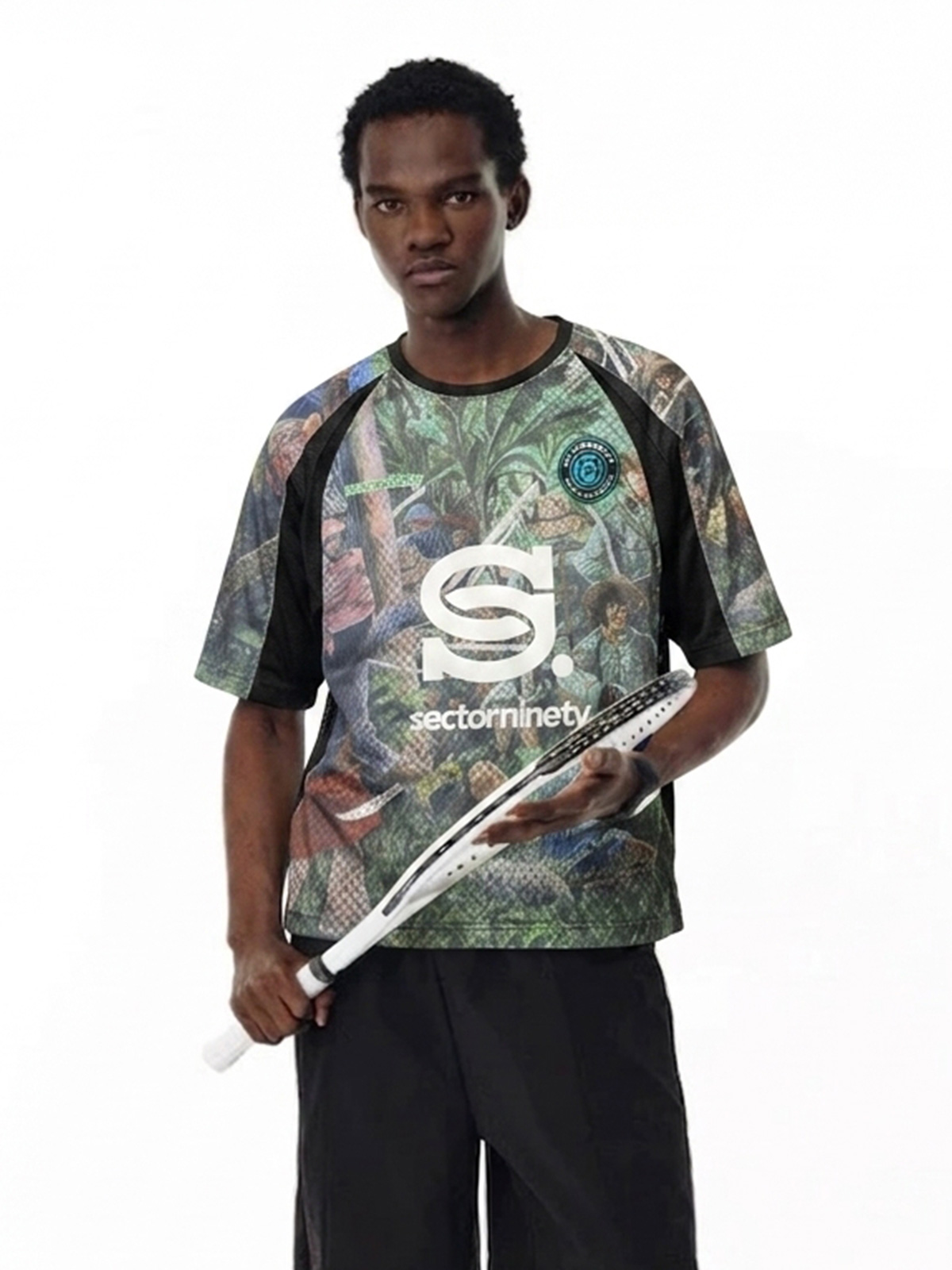
Breathable mesh and quick-dry fabrics. Ideal for sport jerseys and vintage athletic streetwear.
F13 Mesh 140g
F07 Pique 220g
F10 rPET 160g
Limited editions and collaborations. Washed waffle, slub cotton, and recycled fabrics elevate quality and story.
F06 Waffle 280g
F08 Slub 190g
F10 rPET
We offer a wide range of fabrics including 100% Cotton (combed, carded, organic), Cotton-Polyester blends (CVC, TC), 100% Polyester, Modal, Bamboo, Linen, French Terry, Fleece (polar fleece, cotton fleece), Jersey (single jersey, interlock, pique), Rib knit, Waffle knit, Nylon, Spandex/Elastane blends, Denim, Twill, Canvas, Oxford, and Corduroy. GSM ranges from 120 to 450 depending on fabric type.
Consider five key factors:
1. Target market positioning — premium, mid-range, or budget determines fiber quality and blend ratios.
2. End-use function — activewear needs moisture-wicking polyester blends; casual basics favor cotton-rich fabrics.
3. Climate and season — lightweight breathable fabrics for summer, heavier insulated fabrics for winter.
4. Print/embroidery compatibility — smooth surfaces for DTG printing, stable weaves for embroidery.
5. Care requirements — pre-shrunk or easy-care finishes reduce customer complaints.
180–220 GSM is the sweet spot for premium T-shirts. 180 GSM offers a good balance of drape and opacity, suitable for fashion-forward brands. 200–220 GSM provides a substantial, structured feel with excellent opacity — this is the standard for streetwear and luxury basics. Below 160 GSM is considered lightweight and budget-tier; above 240 GSM is entering heavyweight territory.
Lightweight (120–160 GSM): Thin, breathable, soft drape. May be slightly sheer. Moderate durability. Best for summer and layering. Fine for light prints. Common in fast fashion and gym wear.
Heavyweight (200–280+ GSM): Thick, structured, boxy. Fully opaque. Excellent durability. All-season, standalone wear. Excellent for heavy prints and embroidery. Standard for streetwear and premium basics.
Quality heavyweight T-shirts made from pre-shrunk or compact-spun cotton typically shrink only 2–3% after the first wash, which is within industry tolerance. Non-pre-shrunk cotton heavyweight tees can shrink 5–7%. To minimize shrinkage, we recommend: (1) using combed and compact-spun yarns, (2) applying pre-shrinking finishing during production, and (3) advising customers to wash in cold water and air dry.
Lightweight hoodies: 240–280 GSM — suitable for layering and transitional weather.
Midweight hoodies: 300–350 GSM — the most popular range, offering good warmth and structure.
Heavyweight/premium hoodies: 360–450 GSM — thick, structured, and warm; ideal for streetwear and winter.
French Terry: Smooth face, looped back (uncut loops). Moderate warmth, excellent breathability. Typically 240–350 GSM. Clean, sporty look with visible loop texture. Best for athletic wear, spring/fall hoodies, and joggers.
Fleece: Smooth face, brushed/cut pile back. High warmth, moderate breathability. Typically 280–450 GSM. Plush, soft fuzzy interior. Best for winter hoodies, sweatshirts, and loungewear.
French Terry (320–380 GSM) and heavyweight cotton fleece (360–420 GSM) are ideal. French Terry provides a structured drape with clean lines and maintains the boxy silhouette well. Heavyweight fleece adds warmth and a luxurious plush feel. Both fabrics hold their shape and create the desired drop-shoulder oversized look. Avoid lightweight jersey as it drapes too loosely.
Bomber / Varsity: Nylon, polyester, cotton twill shell; polyester fill or cotton lining.
Coach / Work jackets: Cotton canvas, cotton twill, denim (8–14 oz).
Windbreakers: Nylon ripstop, polyester taffeta with DWR coating.
Puffer jackets: Nylon or polyester shell with down or synthetic fill.
Denim jackets: 10–14 oz denim, often with slight stretch (2% elastane).
Softshell jackets: Bonded polyester with TPU membrane.
GSM varies significantly by jacket type. Lightweight windbreakers: 50–80 GSM nylon/polyester. Midweight coach jackets and bombers: 200–350 GSM cotton twill, canvas, or nylon. Heavy winter jackets with insulation: 400–600+ GSM including fill. For shell-only fabrics (without insulation): 150–350 GSM depending on intended use.
Our QC follows a four-point system: (1) Incoming raw material inspection — yarn count, twist, color consistency; (2) In-line production checks — knitting/weaving tension, dyeing consistency, shrinkage rate; (3) Final fabric inspection — 4-point system per 100 yards, checking defects, color fastness, pilling resistance, dimensional stability; (4) Pre-production lab test — GSM tolerance (±5%), shrinkage (±3%), colorfastness (grade 4 min), AZO-free/REACH compliance.
Yes. You can specify exact blend ratios (e.g., 80/20 Cotton/Polyester, 95/5 Modal/Spandex), yarn types (ring-spun, open-end, compact, slub, mélange), and finishing treatments (enzyme wash, silicone wash, bio-polishing, anti-pilling, moisture-wicking, UV protection, anti-bacterial). MOQ for custom blends is typically 300–500 kg per color for knitted fabrics.
Yes, we provide OEM/ODM fabric development. Provide a reference sample, tech spec sheet, or concept description. Our R&D team will: analyze your reference, source matching yarns, create lab dips, produce a development sample (5–10 meters) for approval, then proceed to bulk. Lead time: 7–15 days.
Yes. Options include: GOTS-certified organic cotton, BCI cotton, recycled polyester (rPET), TENCEL Lyocell and Modal (FSC-certified), hemp blends, bamboo viscose, and eco-friendly dyes with OEKO-TEX Standard 100 certification. Full traceability documentation available.
Absolutely. Standard fabric swatch books ship in 3–5 working days. Custom-developed samples take 7–15 days. Shipping via DHL/FedEx/UPS (courier costs may apply depending on order volume). We strongly recommend ordering samples before bulk production.
Tell us about your project. We will reply within 24 hours with a tailor-made quote.