
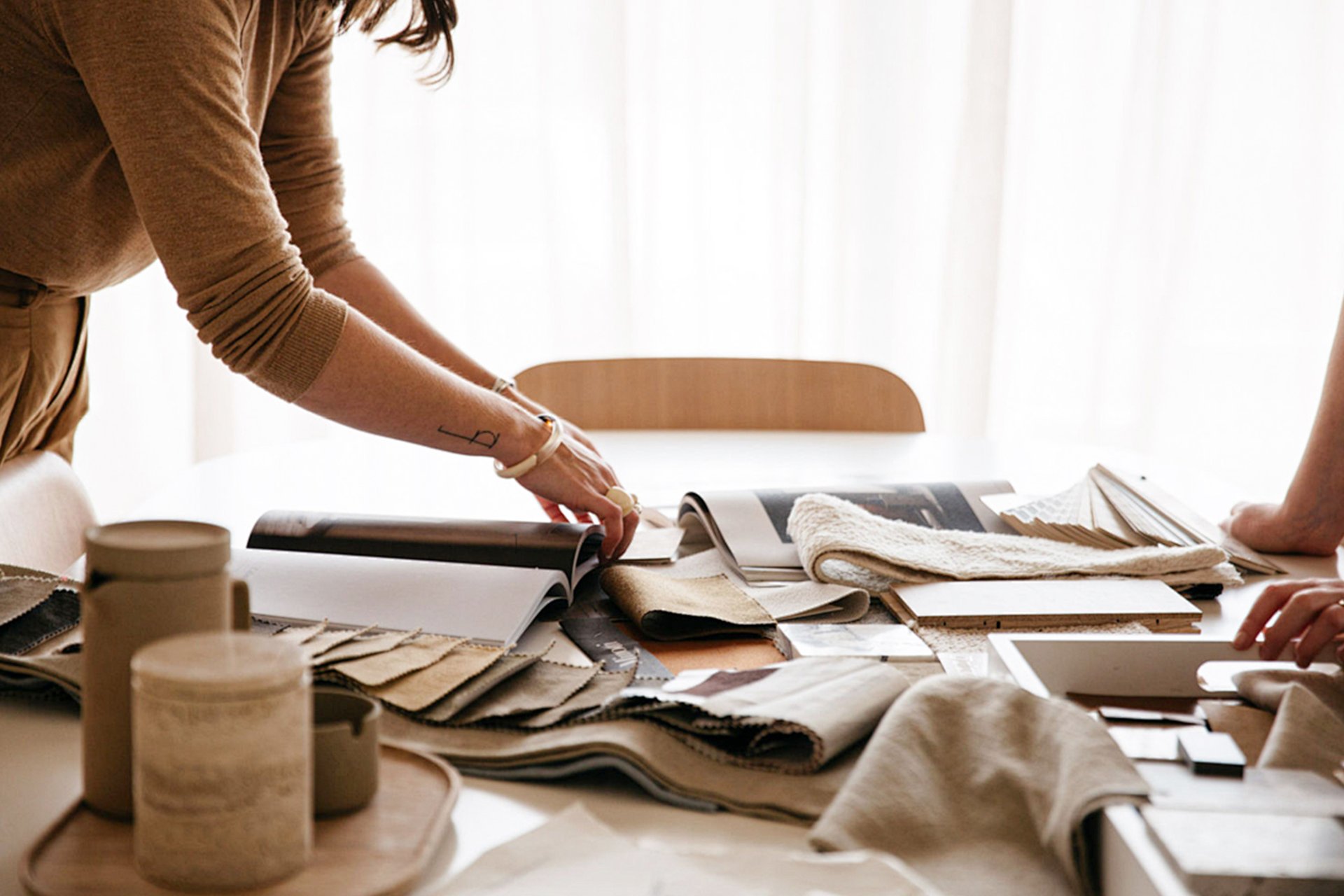
For an emerging streetwear brand, design is just the beginning. What truly determines whether a product can successfully reach the market is the manufacturing model you choose: Who designs? Who produces? Who controls cost and quality? Many brands struggle with this question when searching for a garment factory — should they go with OEM (Original Equipment Manufacturing) or ODM (Original Design Manufacturing)? Both models are widely used across the global apparel industry, but they serve entirely different brand stages, development workflows, and partnership structures.
What Is OEM Clothing Manufacturing?
OEM (Original Equipment Manufacturer) — simply put: the brand designs, the factory produces. In this model, the brand retains full creative control while the manufacturer handles the technical execution.
Brand Provides
- Design sketches & tech packs
- Product specifications
- Fabric requirements
- Craftsmanship standards
- Size charts & measurements
Manufacturer Handles
- Pattern making
- Fabric sourcing
- Sample development
- Mass production
- Quality control
The OEM Production Process
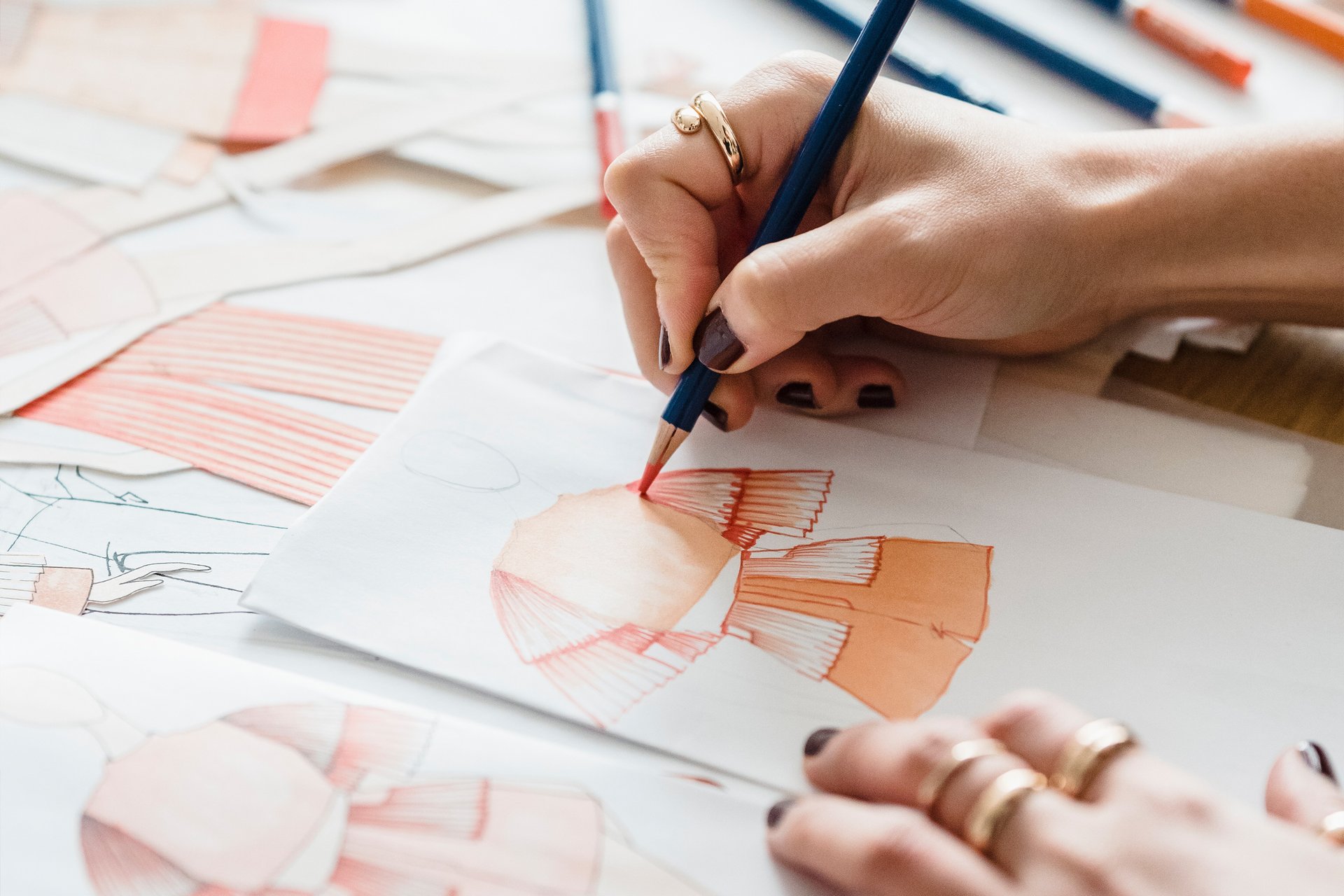
Advantages of OEM
1. Full Design Control. For brands with a mature design team, OEM is the ideal choice. You control every aspect — product style, silhouette, fabric, and design details — ensuring the final garment matches your vision exactly.
2. Maximum Brand Uniqueness. Want to develop an exclusive cut, a special wash, a custom fabric, or a unique technique? OEM gives you the freedom to create products that no competitor can replicate, building a genuine brand moat.
3. Built for Long-Term Growth. Established brands typically adopt OEM because they already have a clear product direction, design language, and market positioning. The factory's role is purely to bring that vision to life at scale.
What Is ODM Clothing Manufacturing?
ODM (Original Design Manufacturer) — unlike OEM, the manufacturer doesn't just produce; it participates in product design and development. The factory provides design proposals, sample development, fabric recommendations, and technique suggestions. Brands can either select from existing designs and modify them, or co-develop new products with the factory.
Manufacturer Provides
- Product design proposals
- Sample development
- Fabric recommendations
- Technique suggestions
- Trend analysis
Brand Decides
- Select from existing designs
- Request modifications
- Co-develop new products
- Approve final samples
- Place production orders
The ODM Production Process
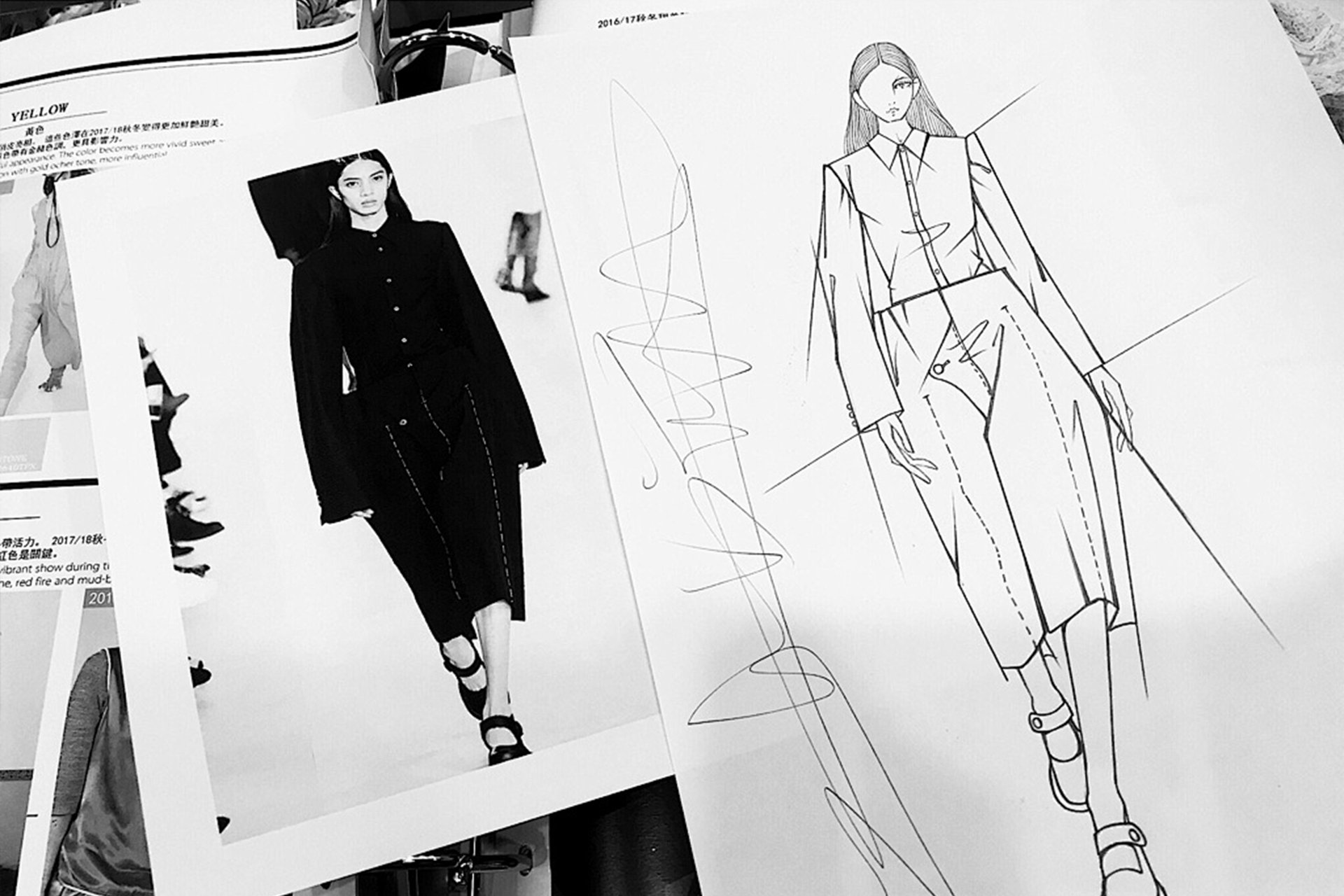
Advantages of ODM
1. Lower Development Barrier. For brands just starting out, ODM reduces design costs, development time, and technical pressure. You don't need a full in-house design team to launch a quality product.
2. Faster Time to Market. The apparel industry moves fast. ODM helps brands compress the cycle from concept to sample to launch — critical for capitalizing on trends before they pass.
3. Manufacturing Expertise. Professional manufacturers understand fabric trends, popular silhouettes, technique applications, and production limitations. They help brands avoid designs that look great on paper but can't be produced efficiently — or at all.
OEM vs ODM: Core Differences
| Comparison | OEM | ODM |
|---|---|---|
| Design Source | Brand provides | Factory co-designs |
| Brand Control | High | Medium |
| Development Cost | Higher | Lower |
| Development Speed | Slower | Faster |
| Best For | Established brands | Emerging brands |
| Product Uniqueness | High | Medium-High |
| Factory Involvement | Production-focused | Design + Production |
Which Should Your Brand Choose?
You already have a complete design team.
Best for: established streetwear labels, design studios, premium brands.
You need full control over product creativity — for example, a 600gsm oversized hoodie with precise silhouette, fabric weight, and special techniques. OEM gives you the fidelity to execute exactly what you designed.
You're launching a new streetwear brand.
Best for: new brand founders, e-commerce brands, KOL brands.
The factory helps you choose proven directions, optimize designs, and control costs — so you can focus on marketing and brand-building while still delivering a quality product.
You're building a long-term brand.
Best for: growing brands that want both speed and uniqueness.
Start with ODM collaboration for rapid product launch, then transition to OEM deep development as your brand matures — maintaining innovation speed while building a unique product system.
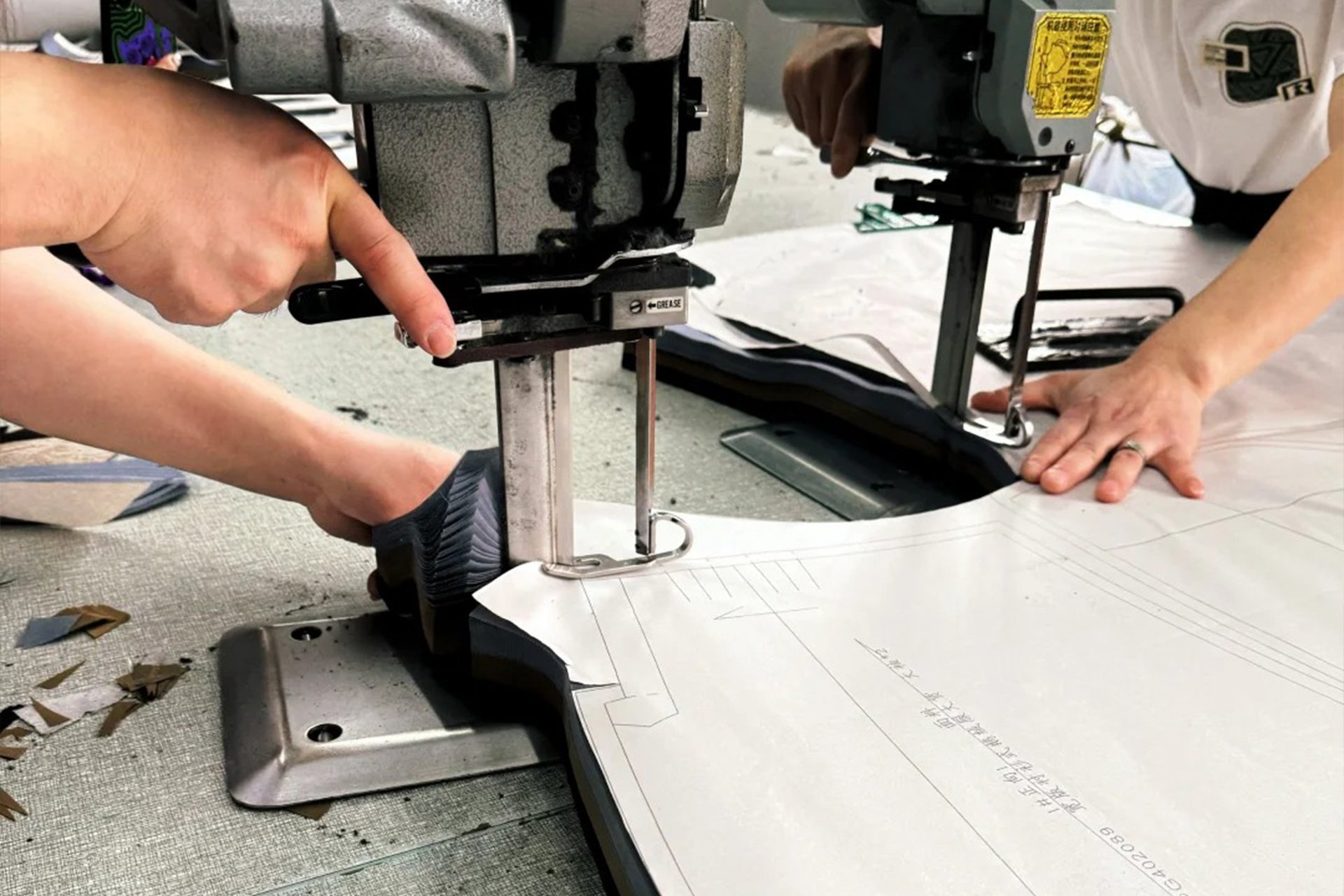
Why Streetwear Needs Specialized Manufacturers
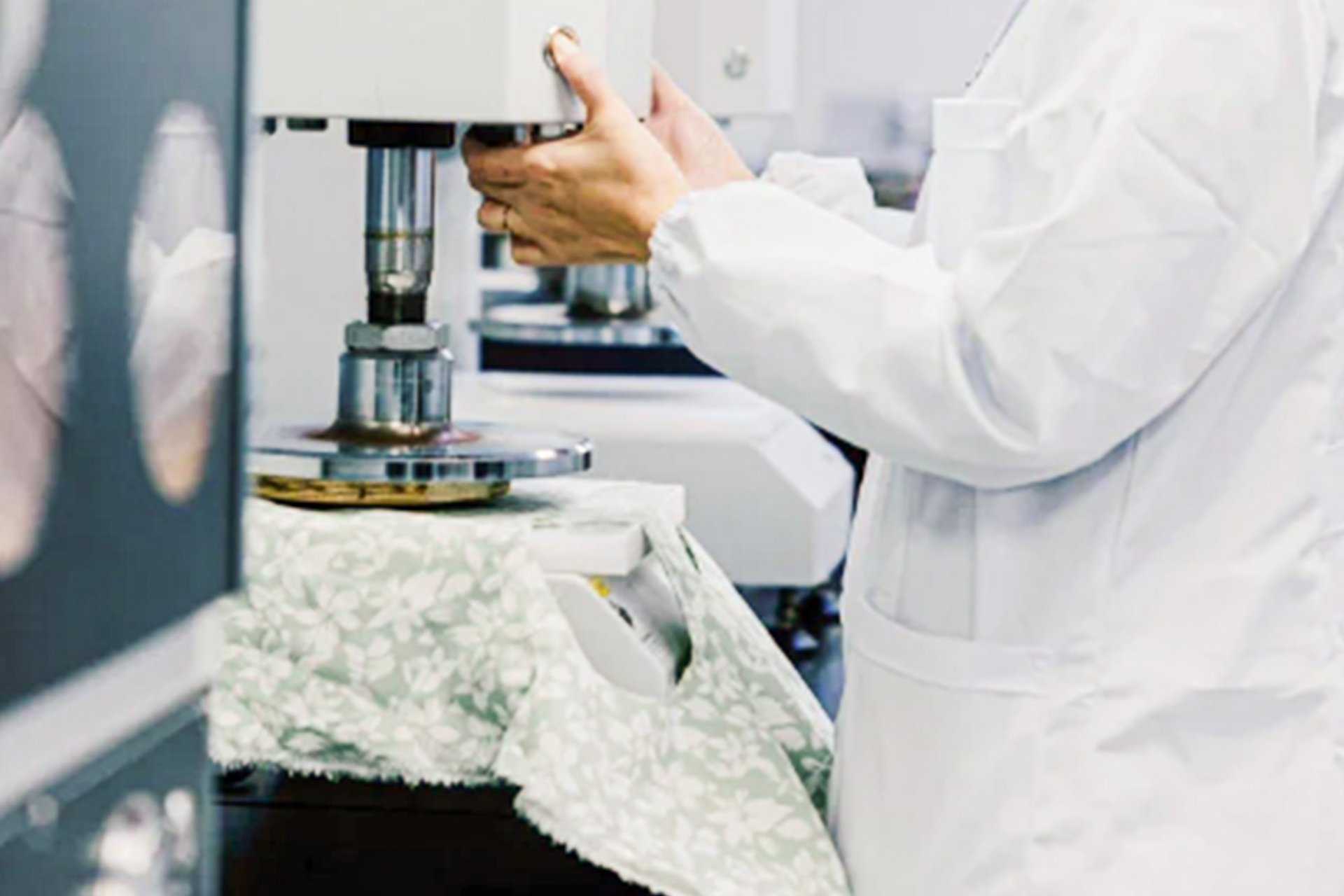
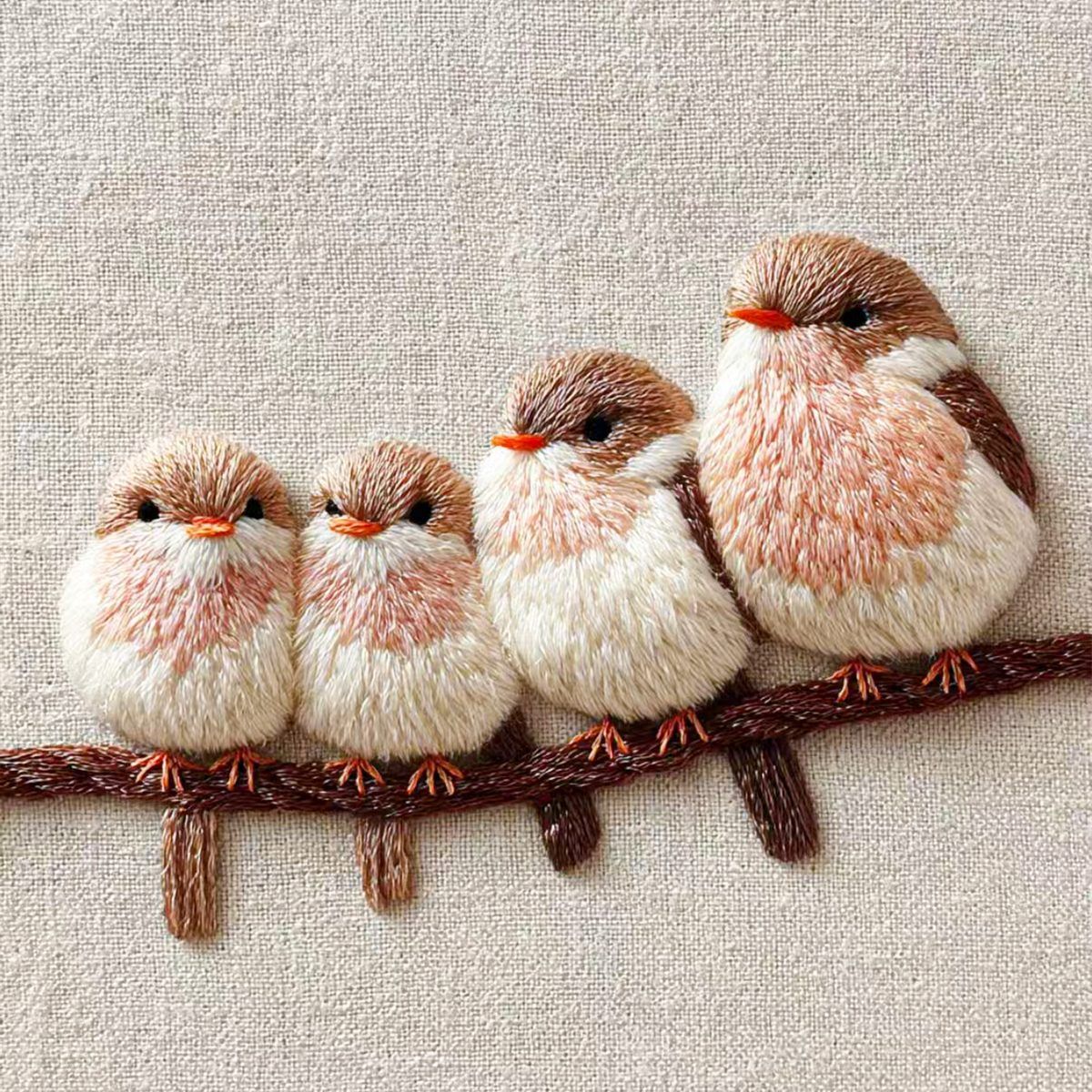
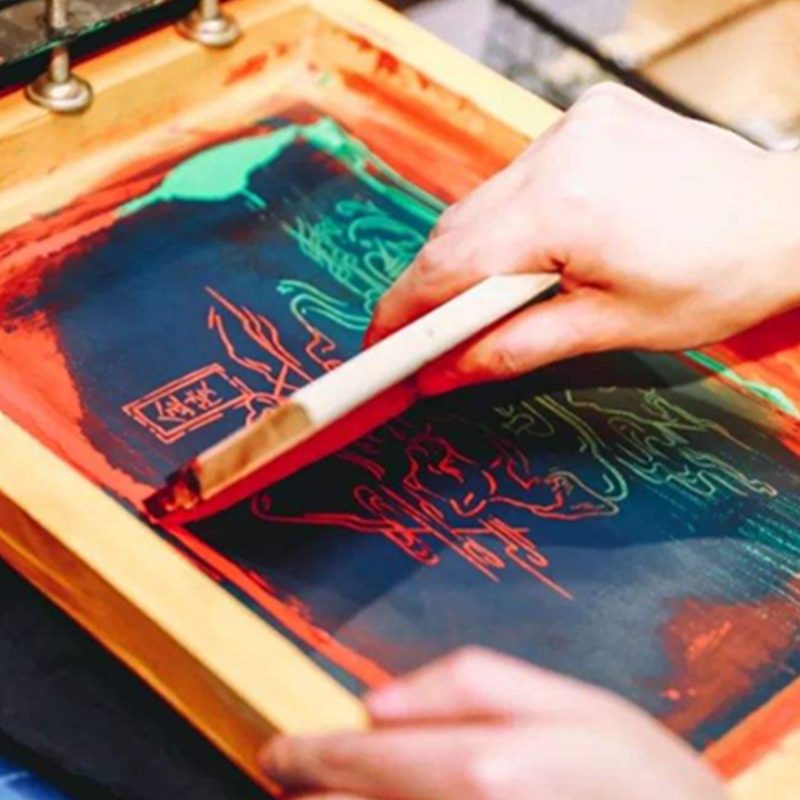
Streetwear is not ordinary basic apparel. It demands far more attention to silhouette (oversized fit, drop shoulder, wide leg), fabric (450gsm hoodie, heavyweight cotton, premium fleece), and craftsmanship (3D embroidery, puff print, vintage wash, distressing).
A generic garment factory can produce clothes. But a specialized streetwear manufacturer understands how to make products with both visual impact and commercial value — the combination that defines successful streetwear.
DOLUXE: From Design to Production — OEM & ODM Streetwear Development
DOLUXE specializes in Custom Streetwear Manufacturing. We support brands with both models:
OEM Service
- Produce to brand's design
- Custom fabric sourcing
- Custom technique execution
- Batch manufacturing
ODM Service
- Product design & development
- Silhouette optimization
- Fabric recommendations
- Technique solutions
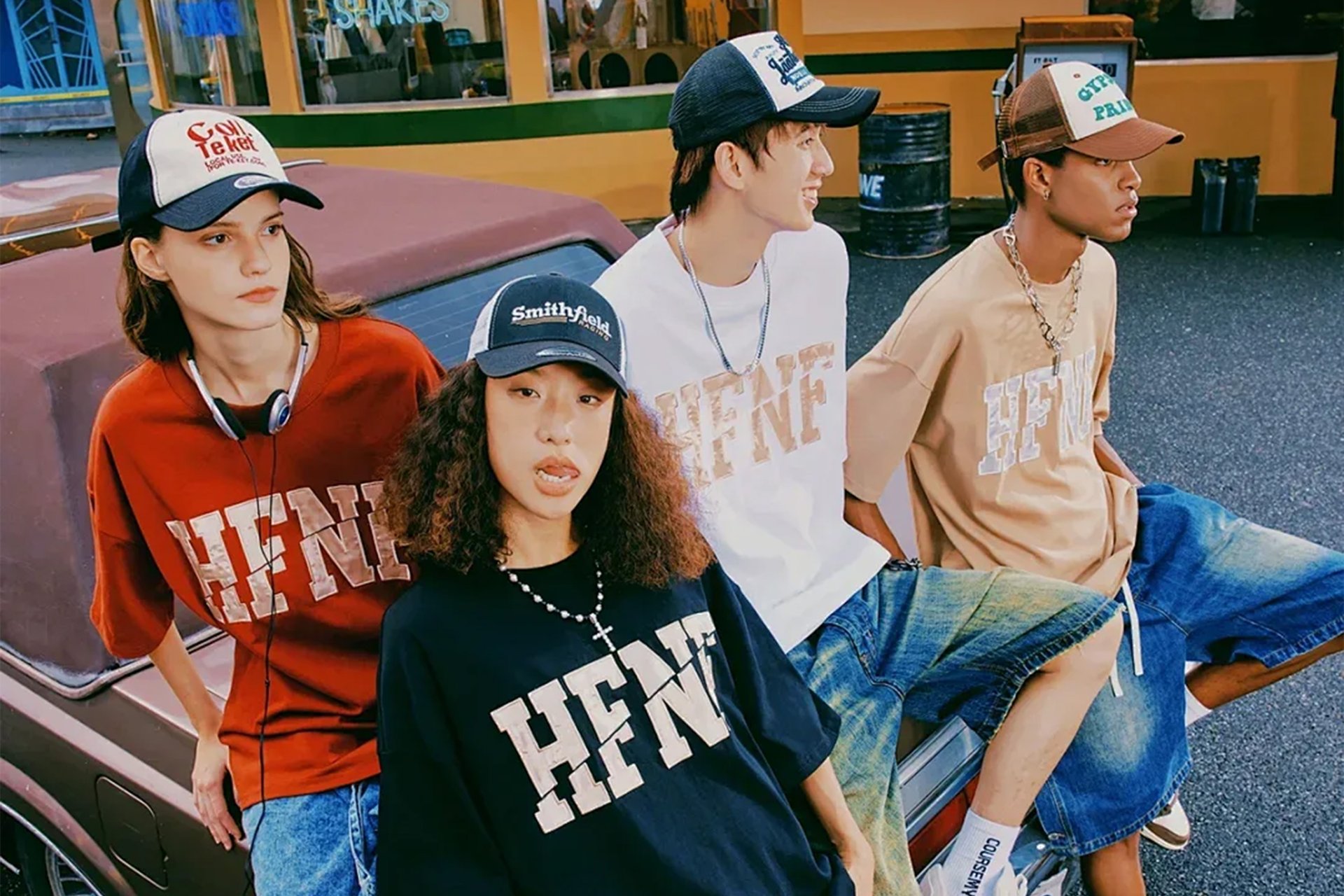
Our product coverage includes heavyweight hoodies, streetwear T-shirts, sweatshirts, jackets, and denim collections. From the first sample to final mass production, we help brands turn concepts into reality.
What to Look for in a Manufacturer
Don't just compare price. A great manufacturing partner should bring real value across four dimensions:
1. Product Development Capability. Can they understand your design? Can they suggest optimizations that improve manufacturability without compromising the creative vision?
2. Craftsmanship Range. Do they have a complete supply chain covering printing, embroidery, washing, and special processing — or will you need to manage multiple vendors?
3. Quality Control System. How do they control fabric quality, dimensional stability, stitching standards, and finished-garment inspection? Consistent quality is what builds brand trust.
4. Communication Efficiency. A good manufacturing partner is not just a supplier — they're an extension of your product development team. Responsive communication prevents costly mistakes and delays.
Conclusion: The Answer Depends on Your Brand Stage
OEM is for brands with a mature design philosophy who want complete control over their product. ODM is for brands that need to move fast and want the manufacturer to participate in design. For most emerging streetwear brands, the optimal path is clear: start with ODM to launch quickly, then transition to OEM as you build your unique product identity.
Choose the right manufacturing model, and your streetwear brand can grow from a design concept into a product with real market competitiveness.