
In today's streetwear market, the competitiveness of a garment no longer comes from design alone. Take a black hoodie as an example: why can some brands sell it for over $200, while ordinary sweatshirts can only be sold for a few dozen dollars? The difference is often hidden in fabric selection, printing techniques, embroidery craftsmanship, washing effects, and detailed finishing.
These manufacturing techniques give garments a unique visual language and directly influence how consumers perceive a brand's value. For brands aiming to create premium streetwear, understanding different garment manufacturing techniques is a crucial step in the product development process.
1. Screen Printing
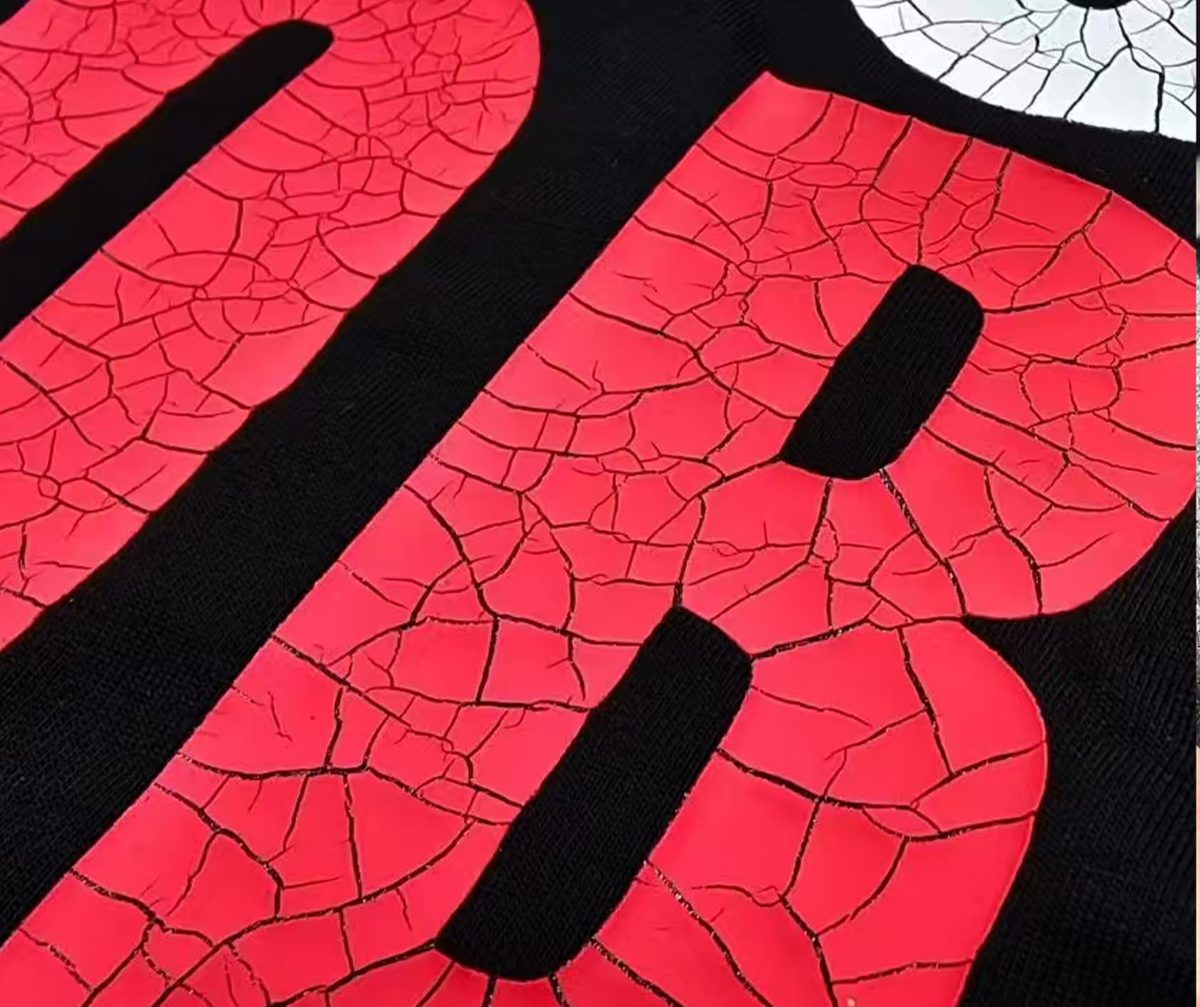
Screen printing is one of the most classic printing methods in streetwear. Through a mesh screen, ink is directly printed onto the fabric surface. With special inks and washing treatments, it can create vintage fading effects and a worn-in appearance.
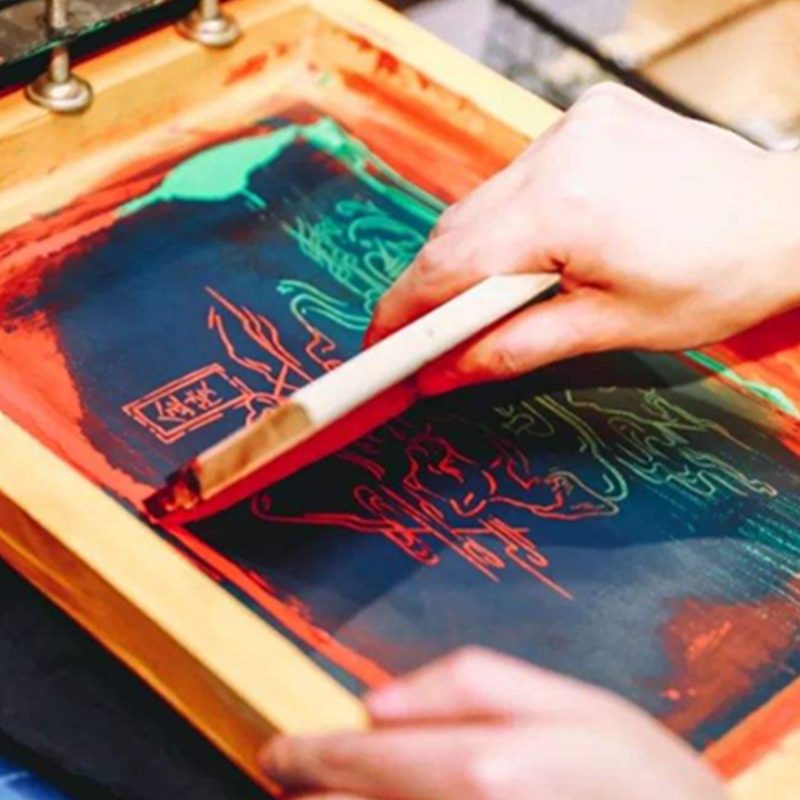
Water-based ink offers a soft, breathable feel that merges naturally with the fabric — ideal for light-colored designs. Plastisol ink delivers strong opacity and rich color saturation, making it the mainstream choice for mass-produced streetwear thanks to its high color fastness and durability.
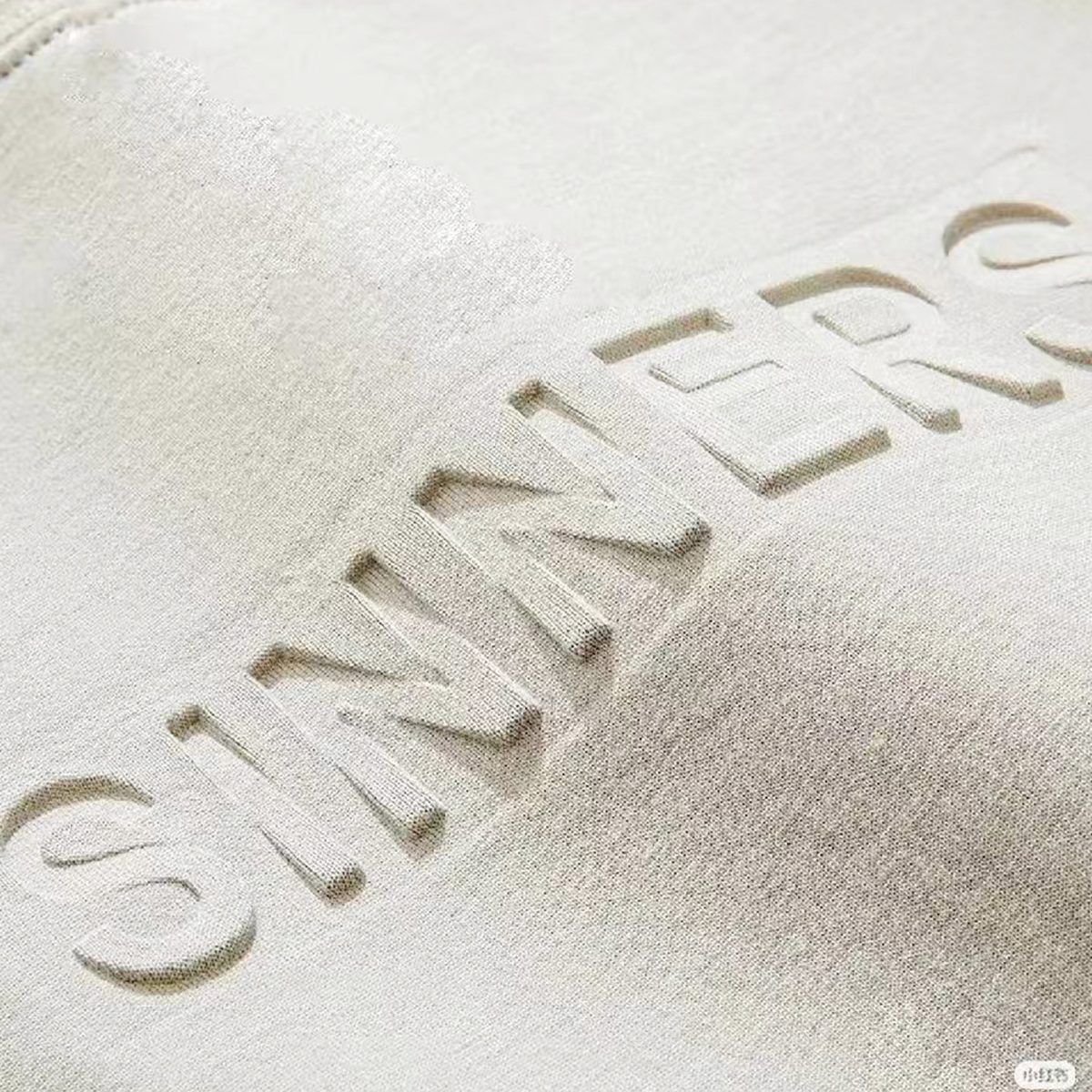
2. Foam Printing (Puff Printing)
Foam printing is a technique that creates a three-dimensional raised effect. By using special puff ink, the design is lifted from the fabric surface, creating a unique texture and visual impact that flat prints simply cannot match.
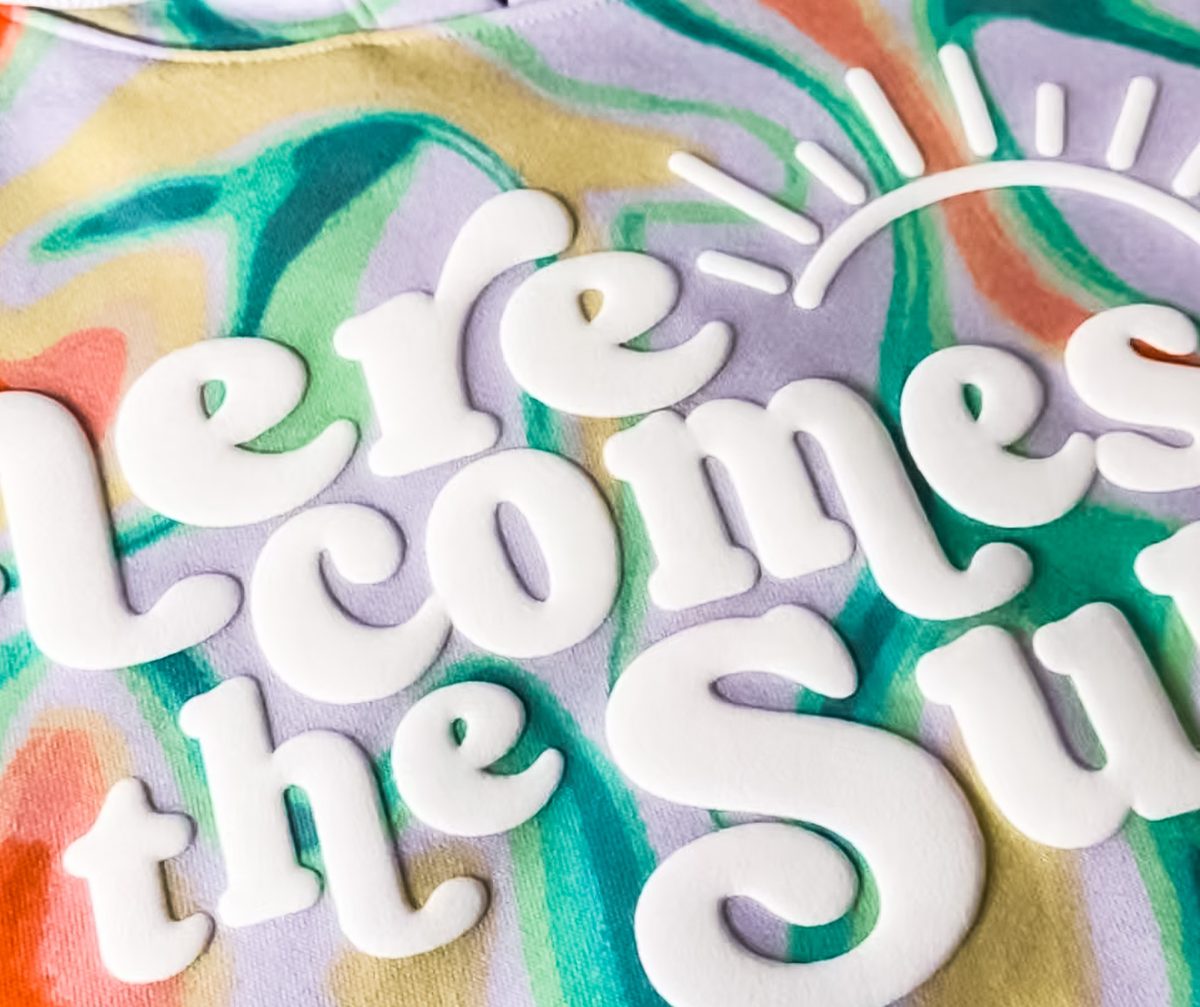
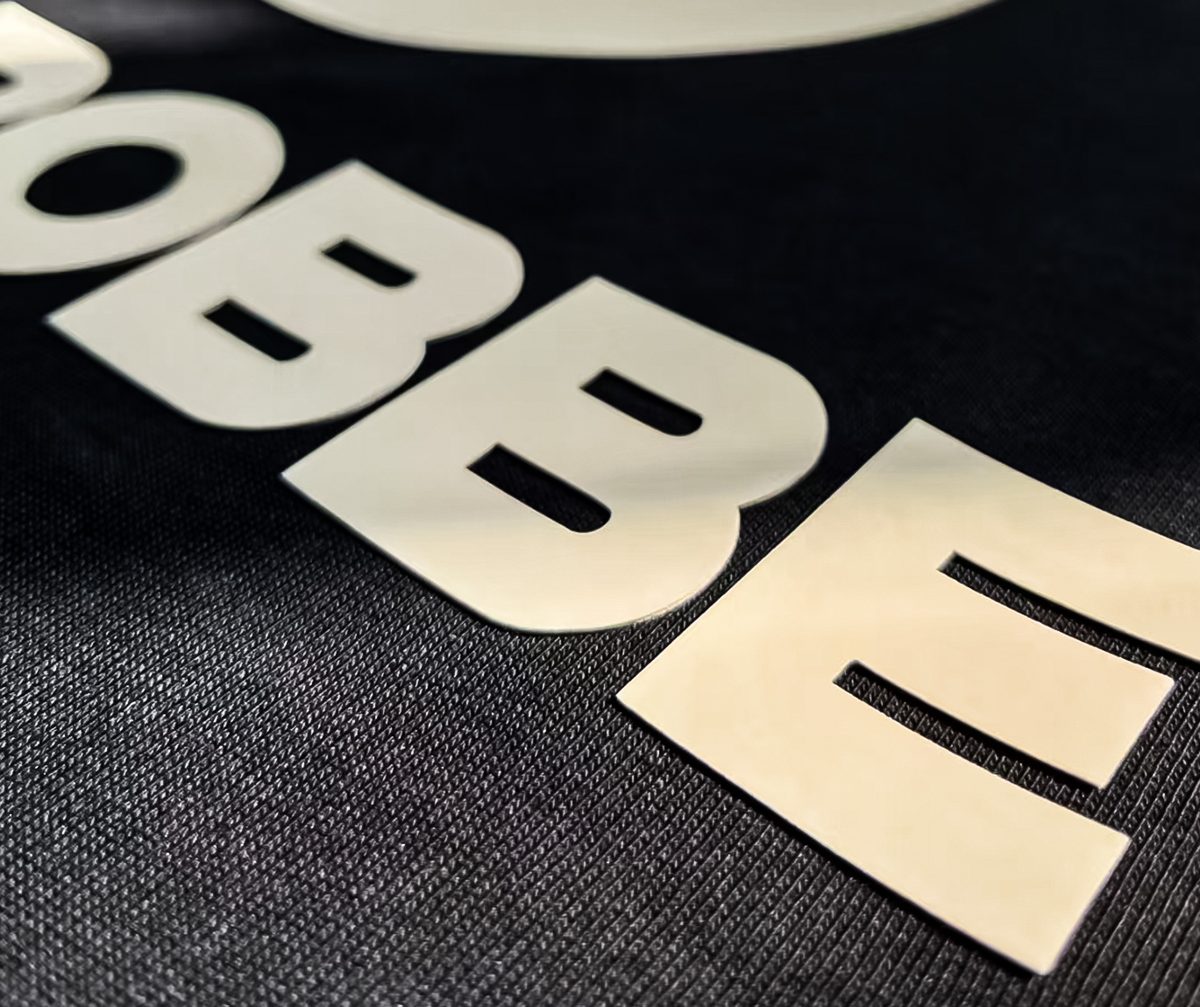
Suitable for hoodie logos, oversized sweatshirts, and streetwear graphic designs where a tactile, raised finish adds a premium, bold character to the garment.
3. Direct-to-Garment Printing (DTG)
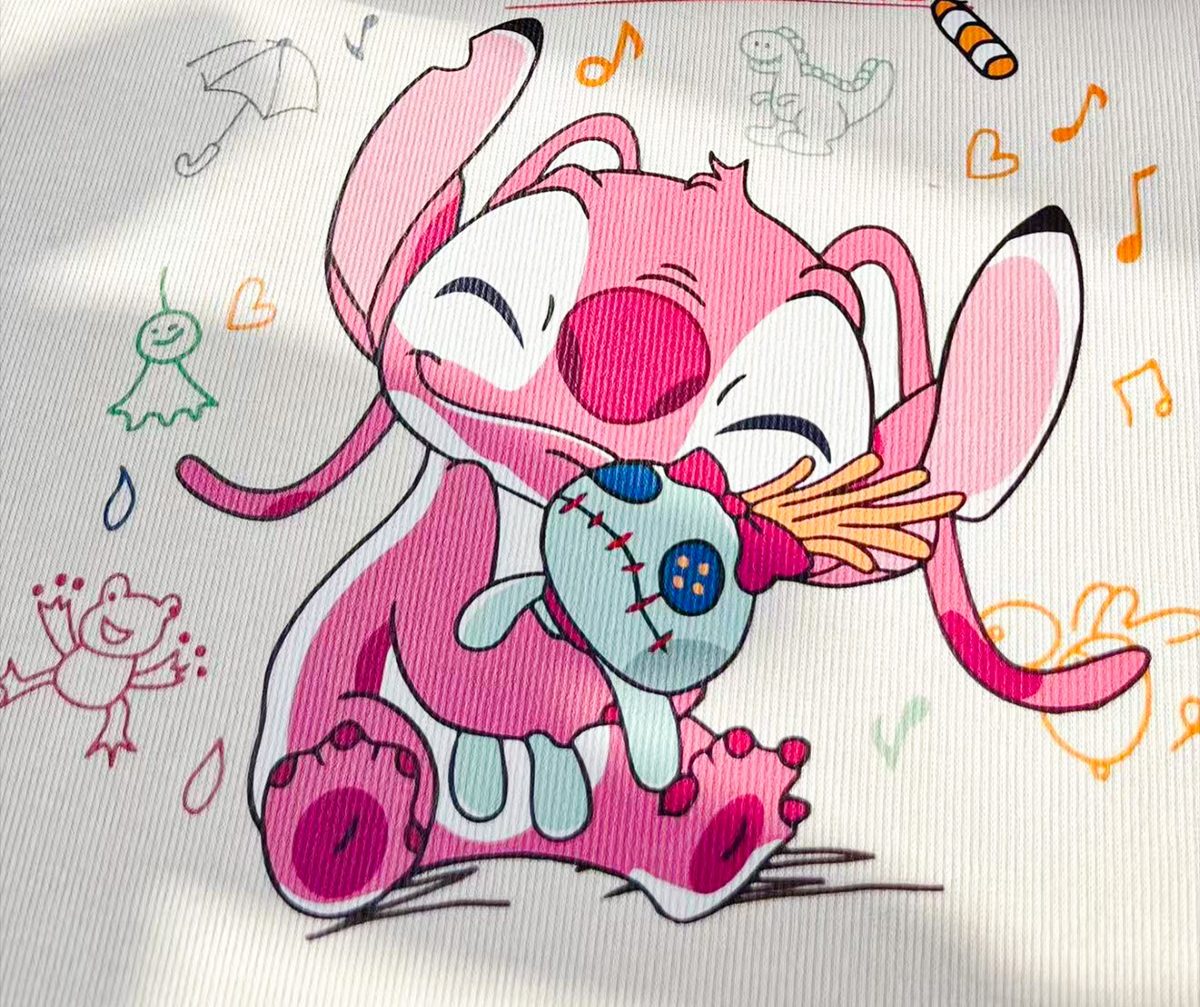
DTG is a digital printing technology. Similar to a printer, it directly sprays the design onto the garment surface — requiring no screen preparation and offering exceptional detail reproduction. The ink penetrates the fabric fibers, resulting in a print that is virtually imperceptible to the touch.
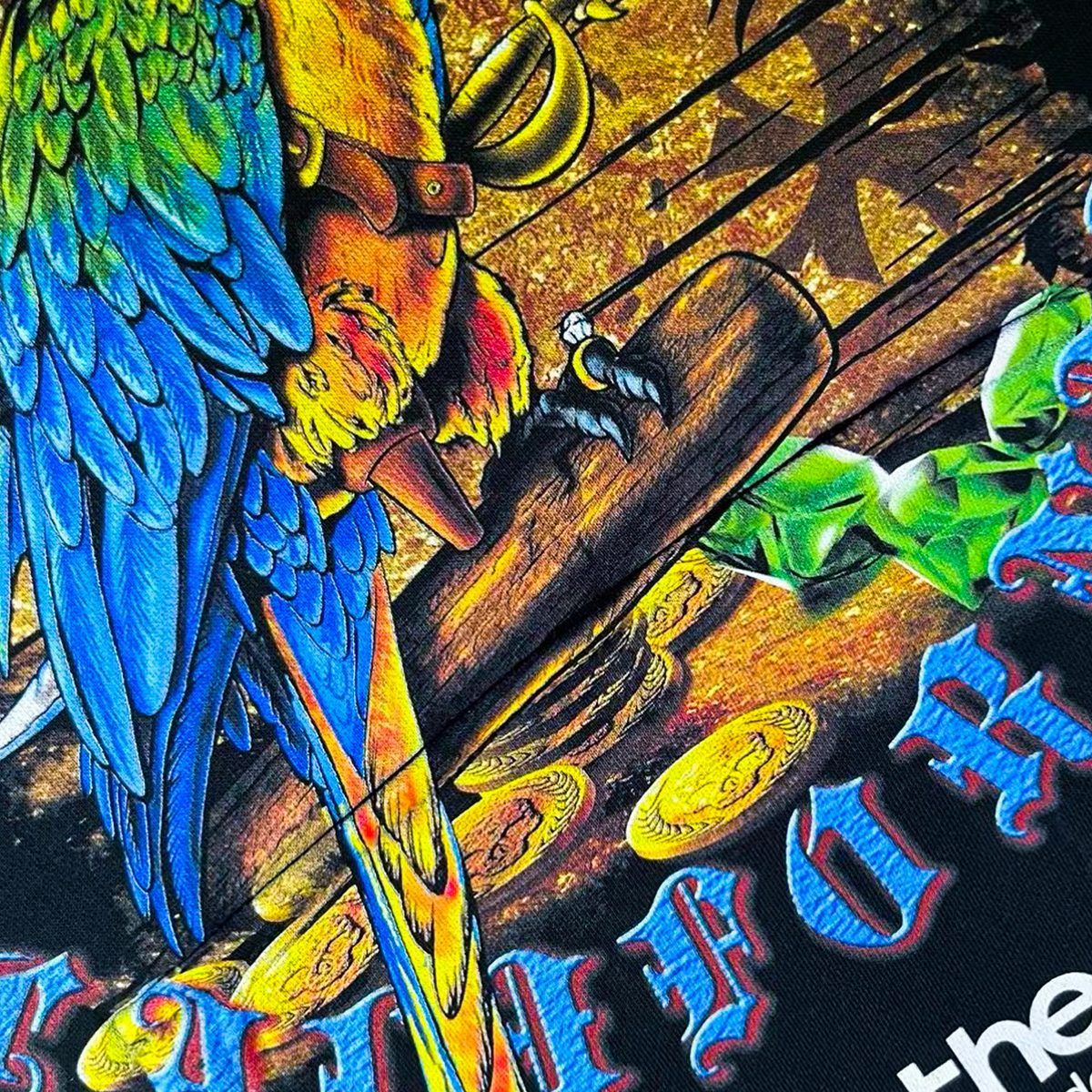
Suitable for small-batch customization, artistic graphics, and illustration-style designs with complex gradients and multi-colored originals.
4. Heat Transfer Printing
Heat transfer uses high temperature and pressure to transfer designs onto garment surfaces. It excels at reproducing fine, detailed graphics and is ideal for small orders and fast product development.
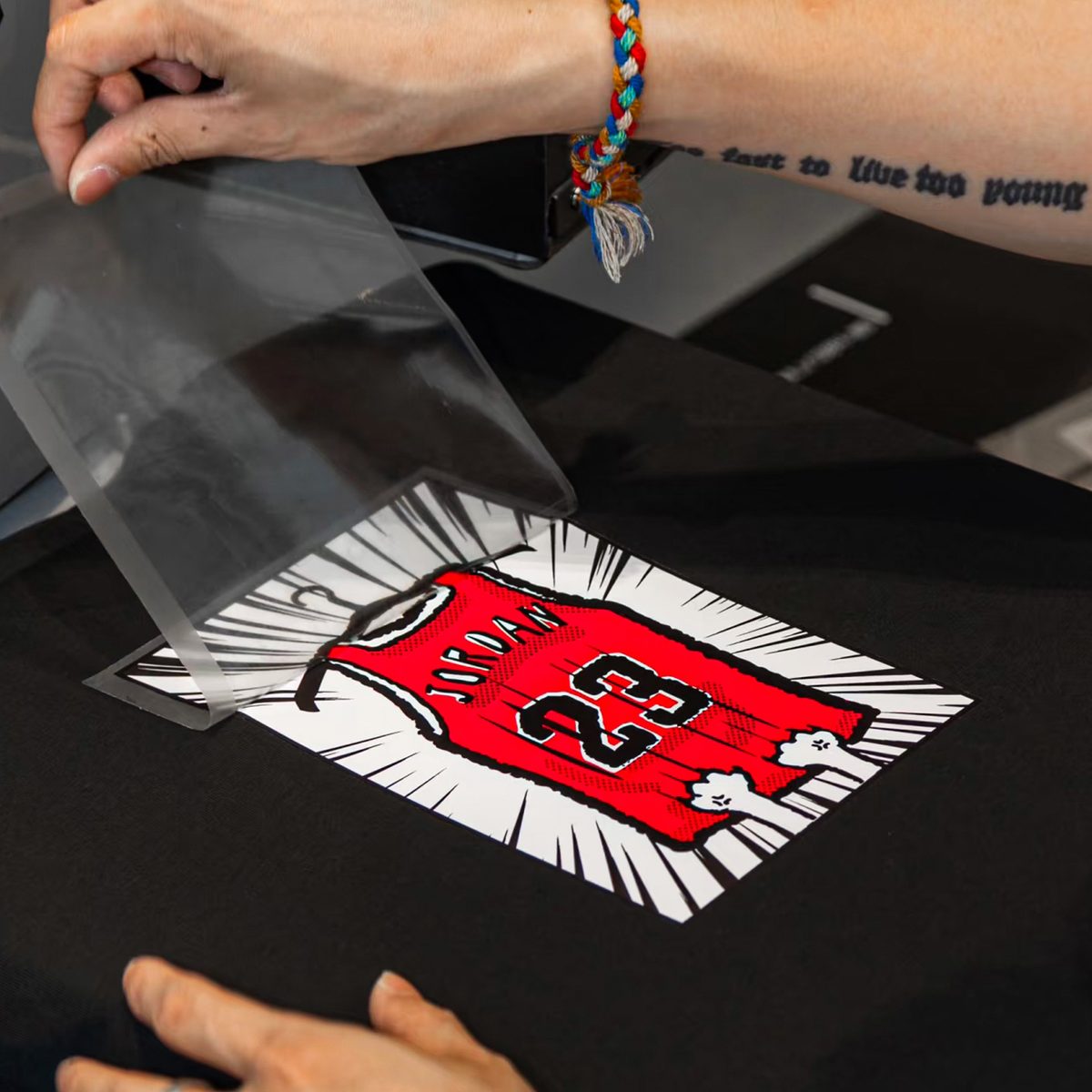
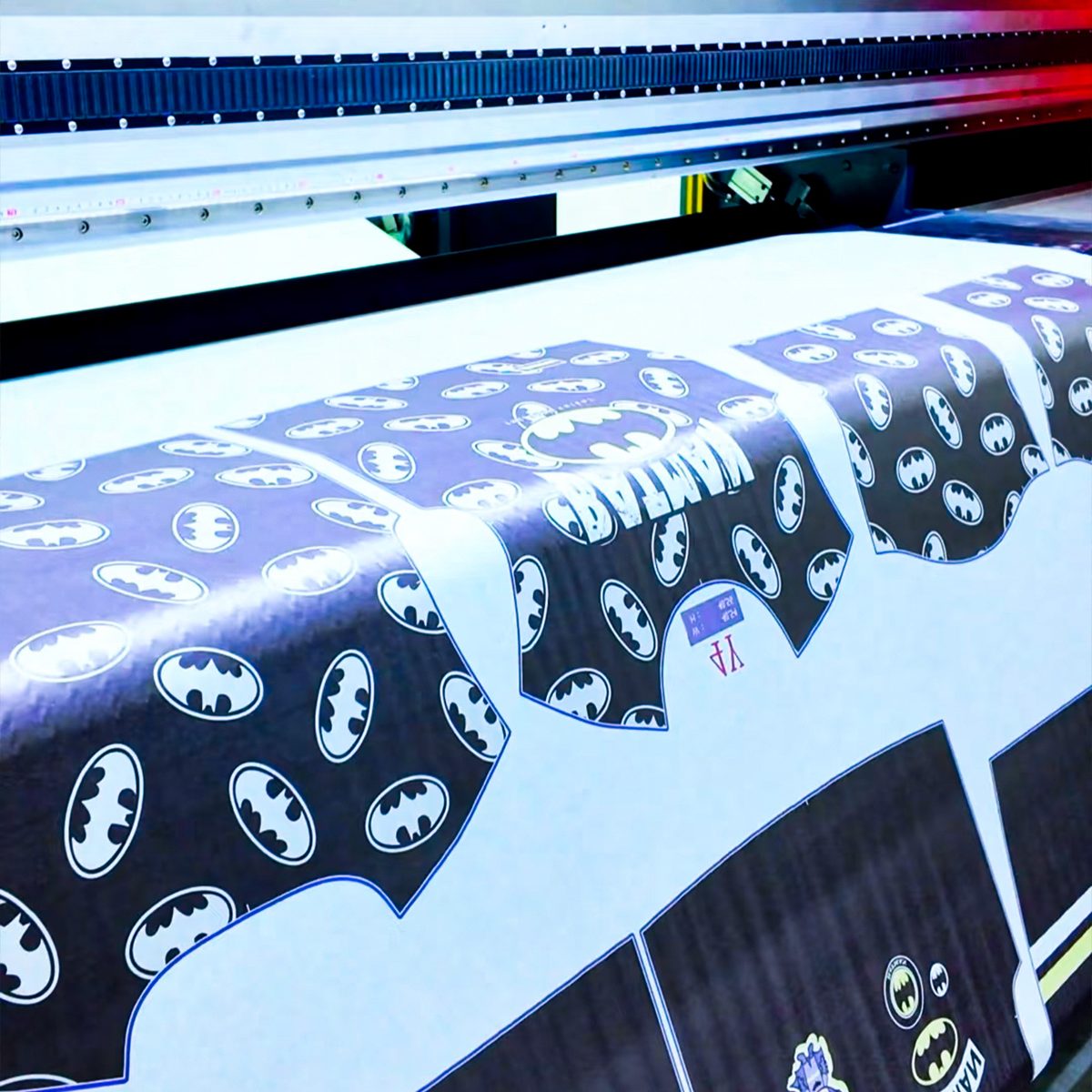
Sublimation printing, a related technique, uses heat to turn solid dye into gas, bonding it directly with polyester fabrics — producing vivid, full-coverage, all-over prints that never crack or peel. Suitable for new brands testing the market with limited quantities.
5. Embroidery
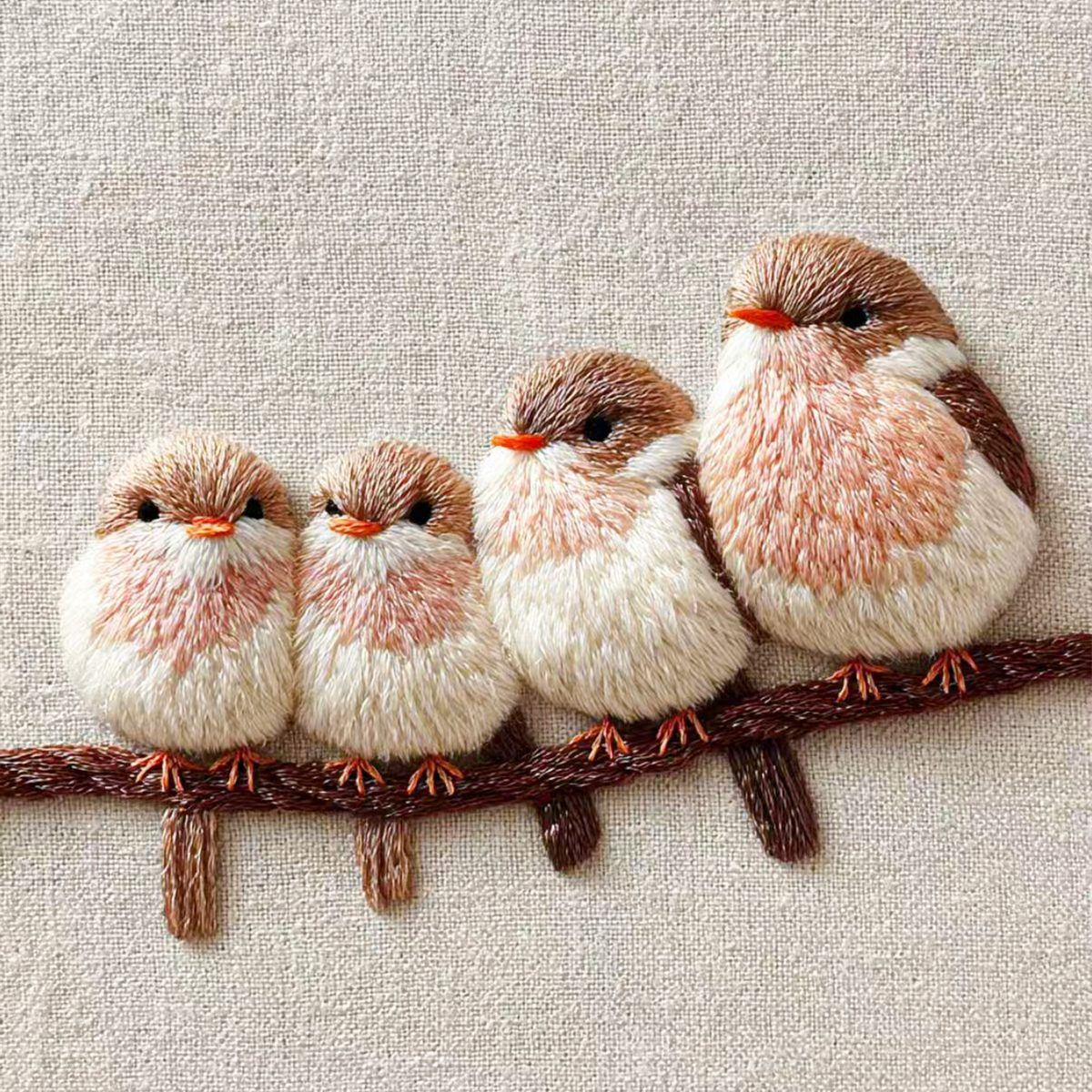
Embroidery is an important technique for enhancing the premium feel of streetwear. Designs are stitched thread-by-thread, creating a textured, three-dimensional look with a premium, vintage aesthetic.
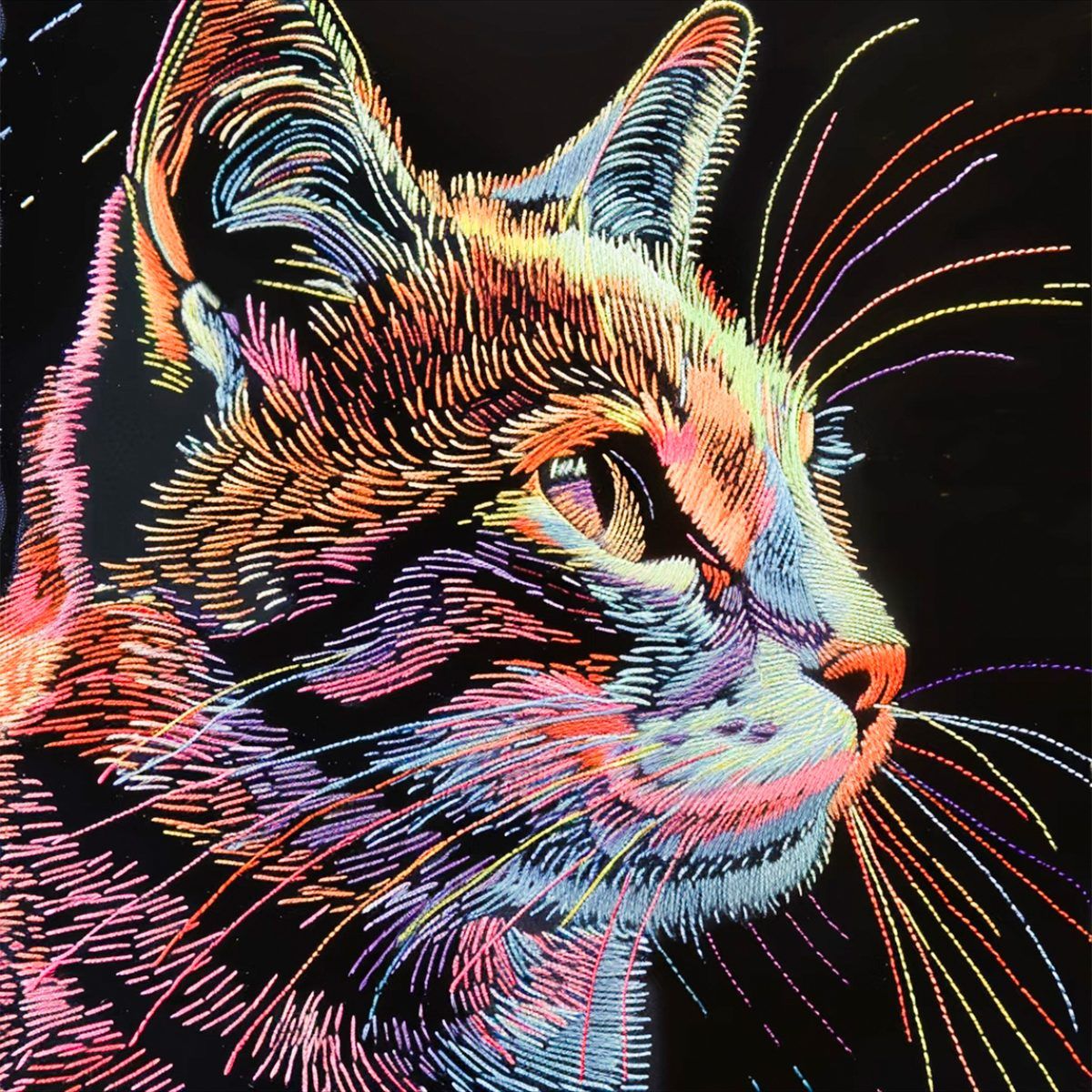
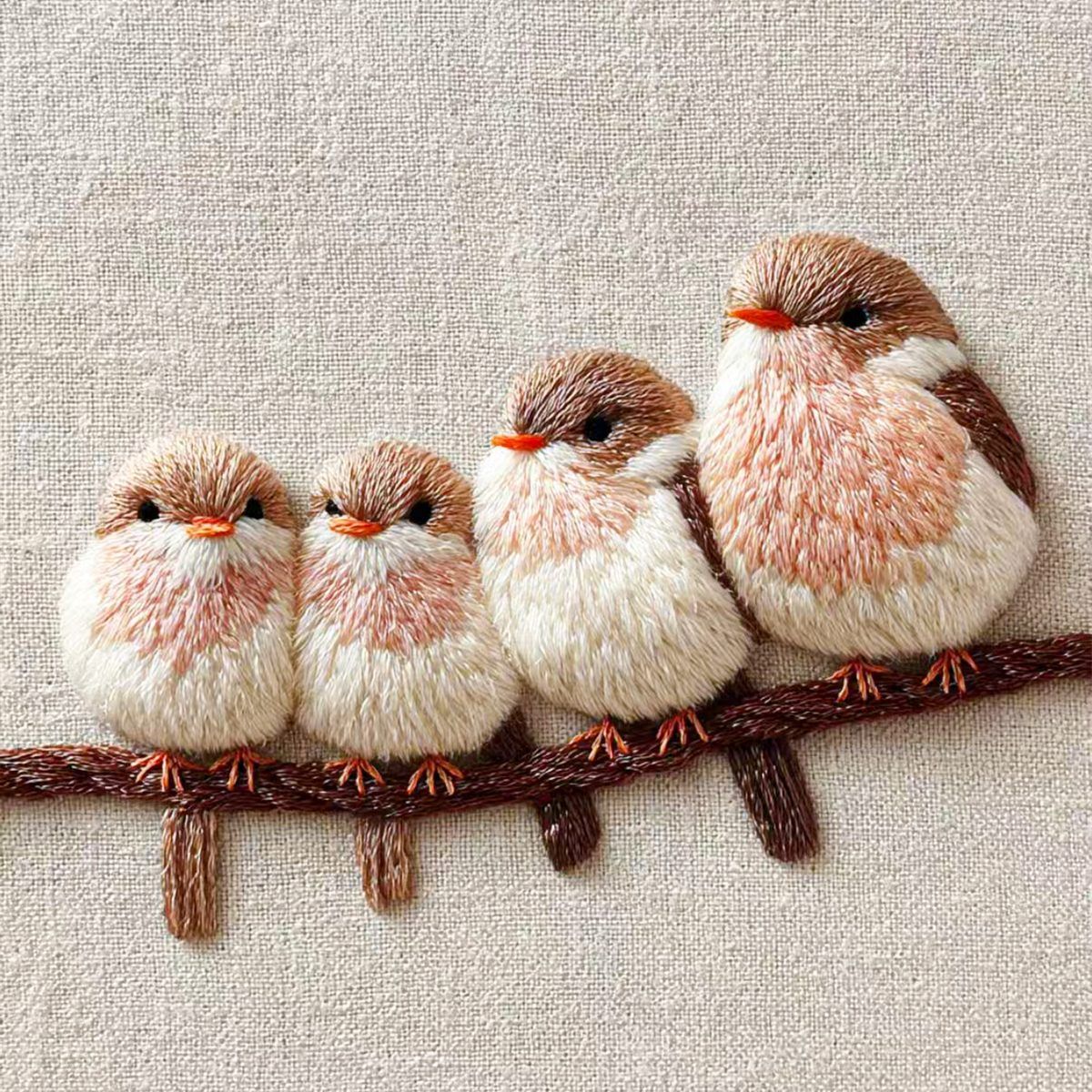
Flat Embroidery
Features fine details, high durability, and is suitable for small logos — the workhorse of brand identity placement.
3D Puff Embroidery
Creates a raised logo effect with strong visual impact. Suitable for baseball caps, heavy hoodies, and premium streetwear collections where the embroidery itself becomes a signature design element.
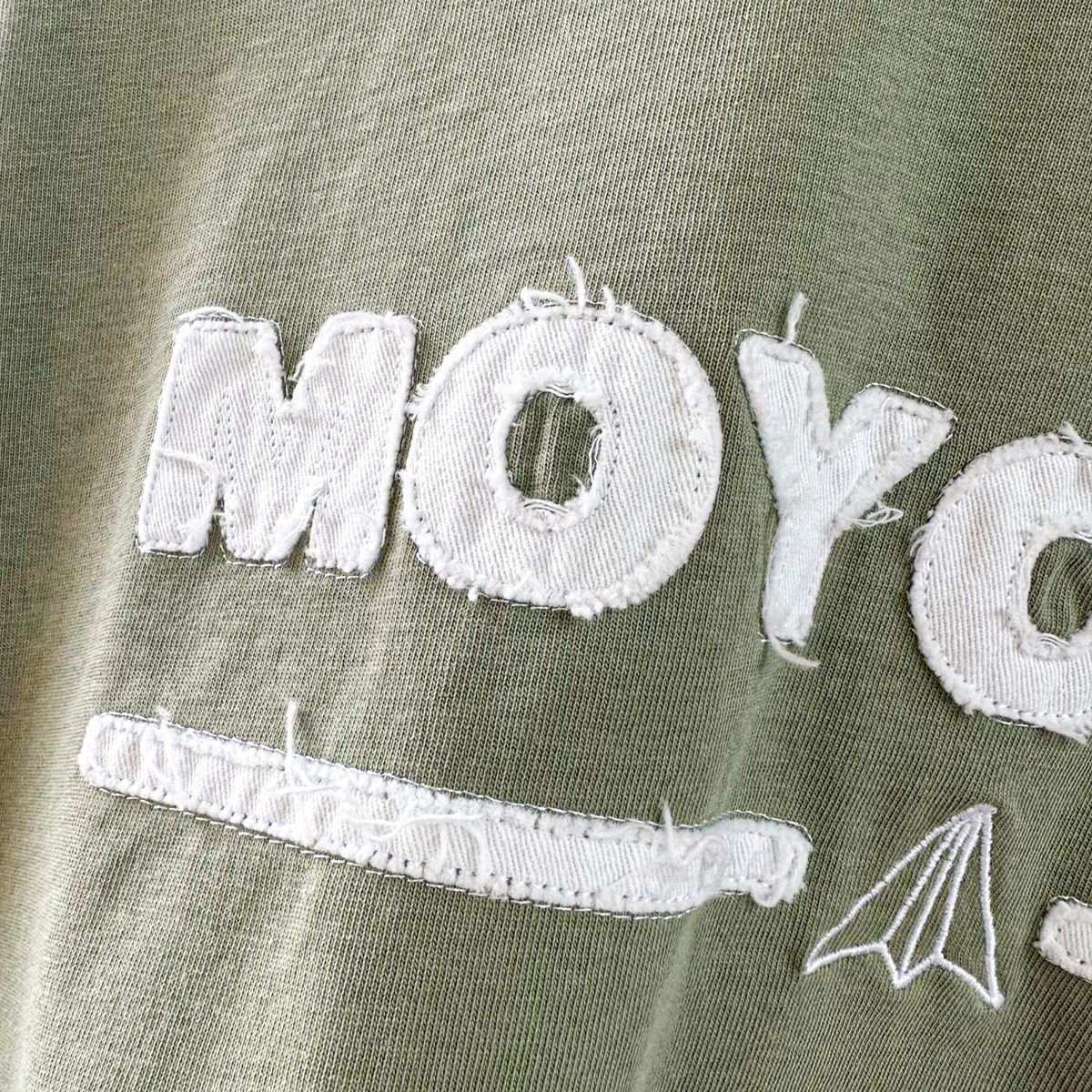
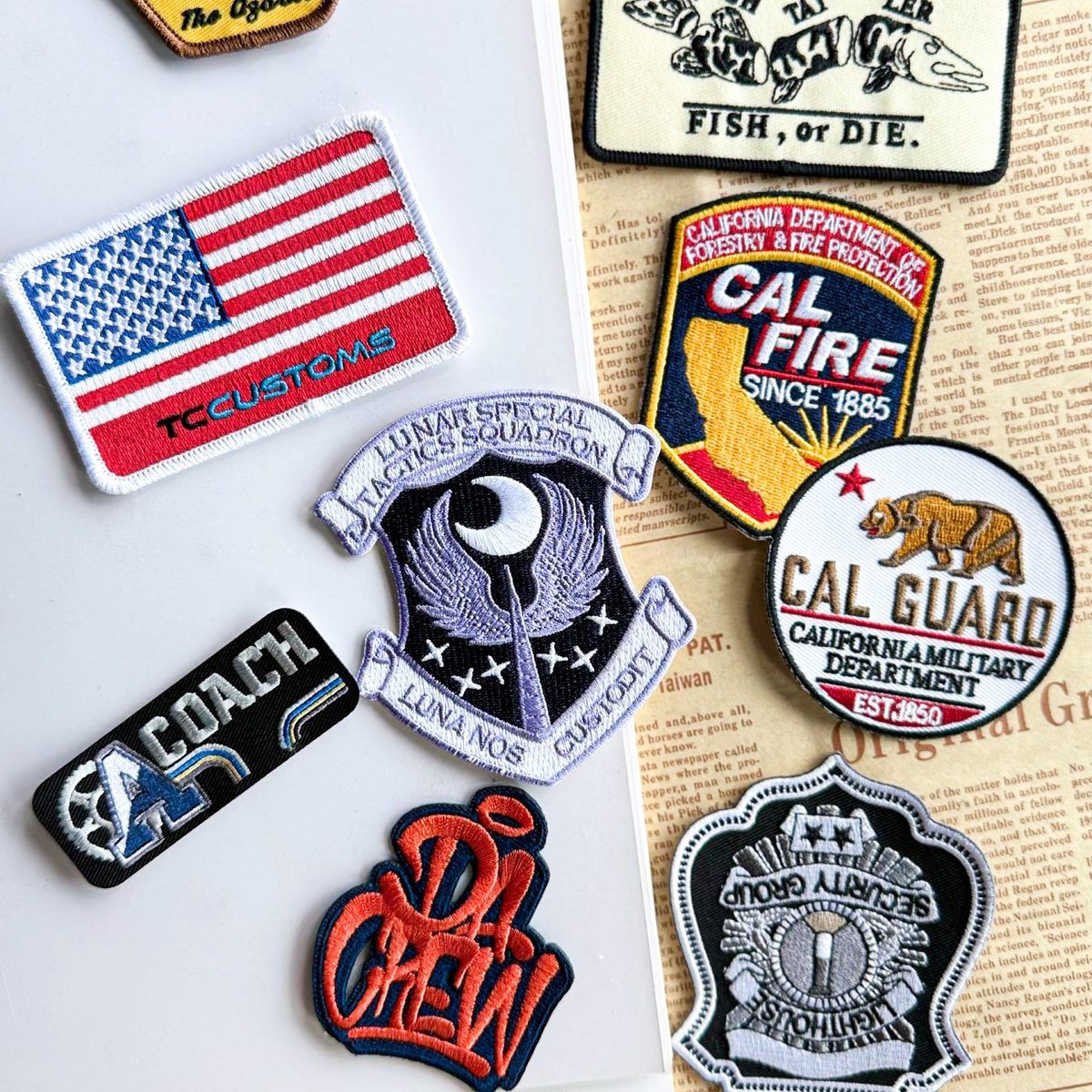
Applique Embroidery
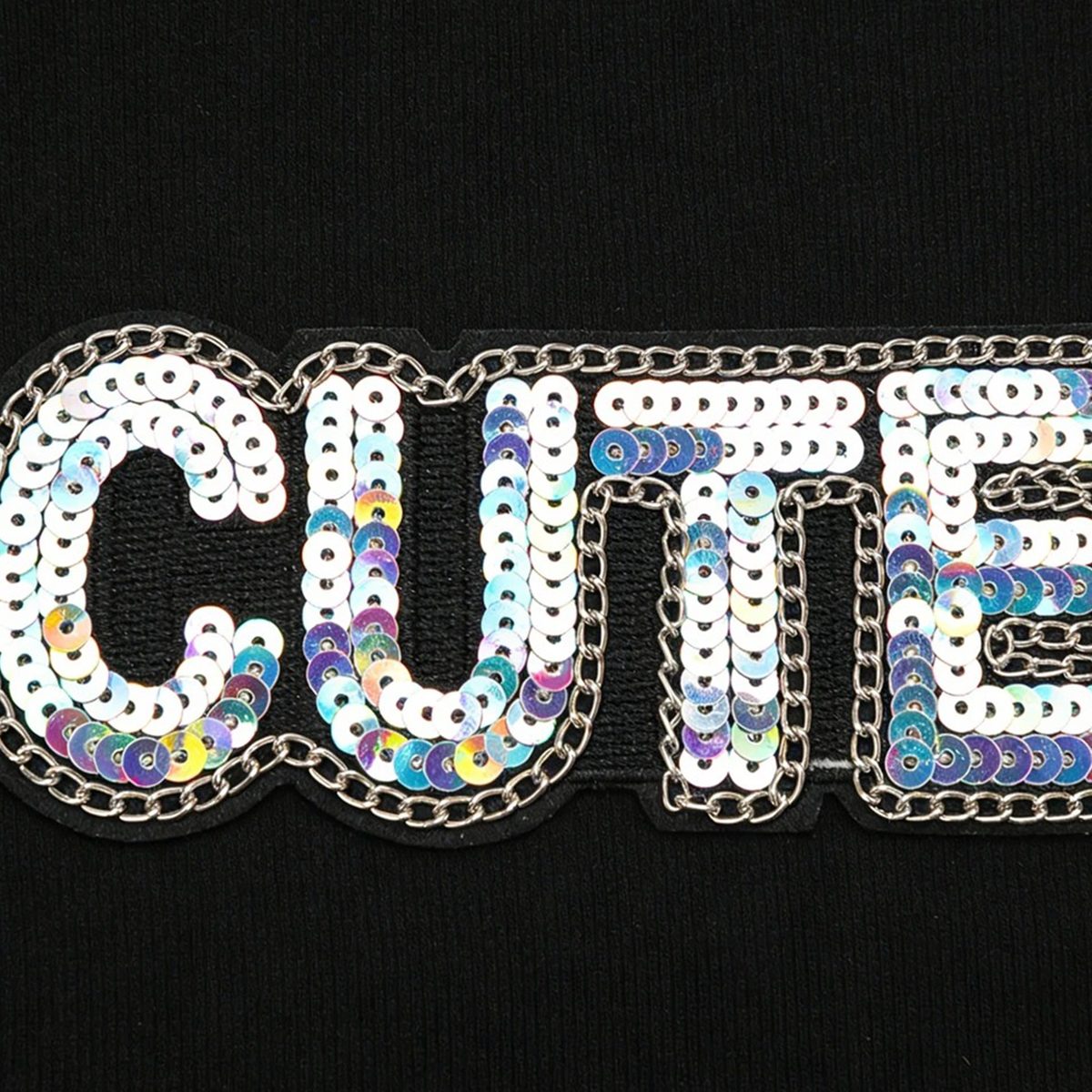
Involves sewing a piece of fabric onto the garment and then embroidering around its edges — creating a layered, patch-like effect that adds depth and a vintage, handcrafted character.
6. Garment Washing
Creating vintage streetwear effects. Garment washing plays a major role in streetwear manufacturing. It can transform color, hand feel, texture, and the overall vintage character of a garment.
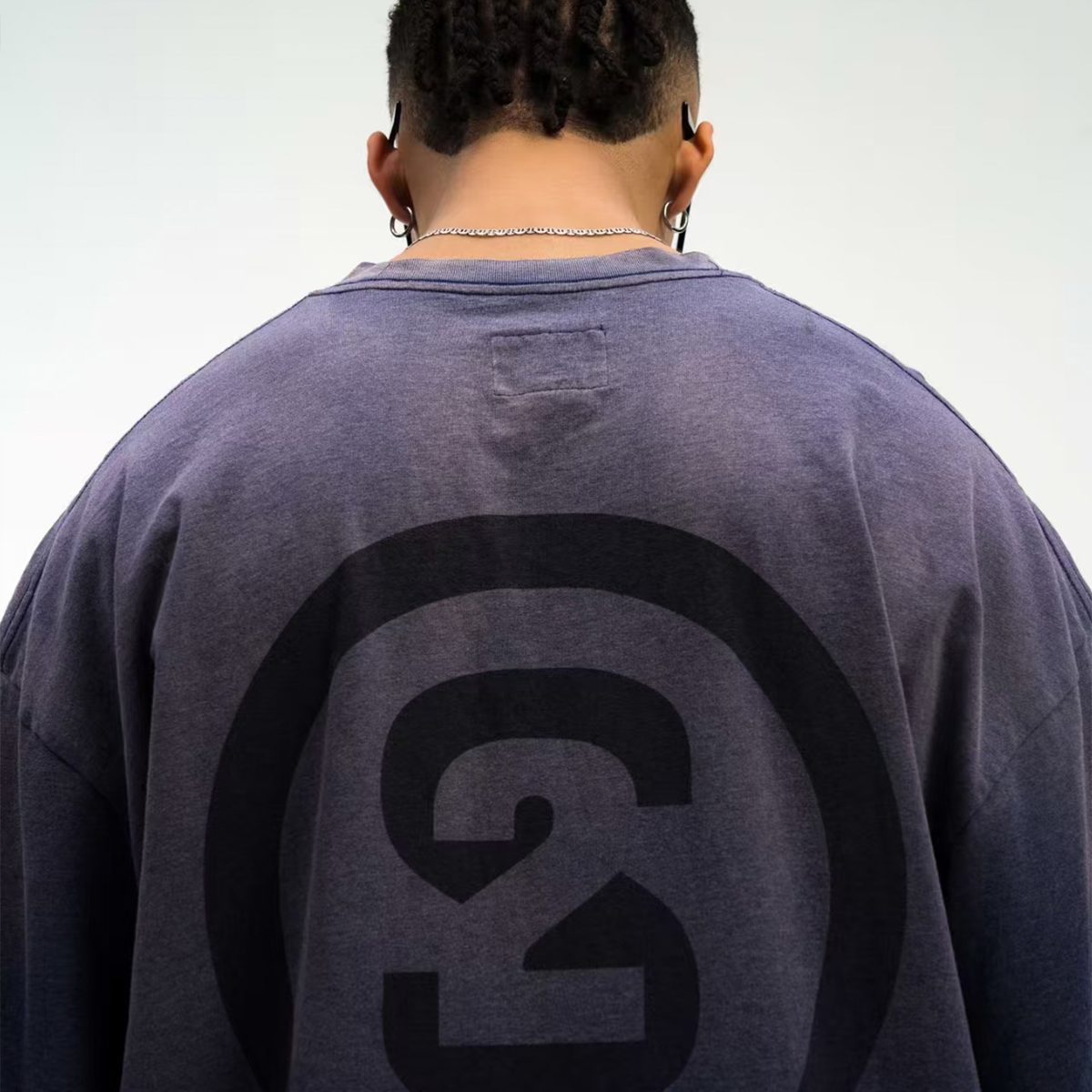
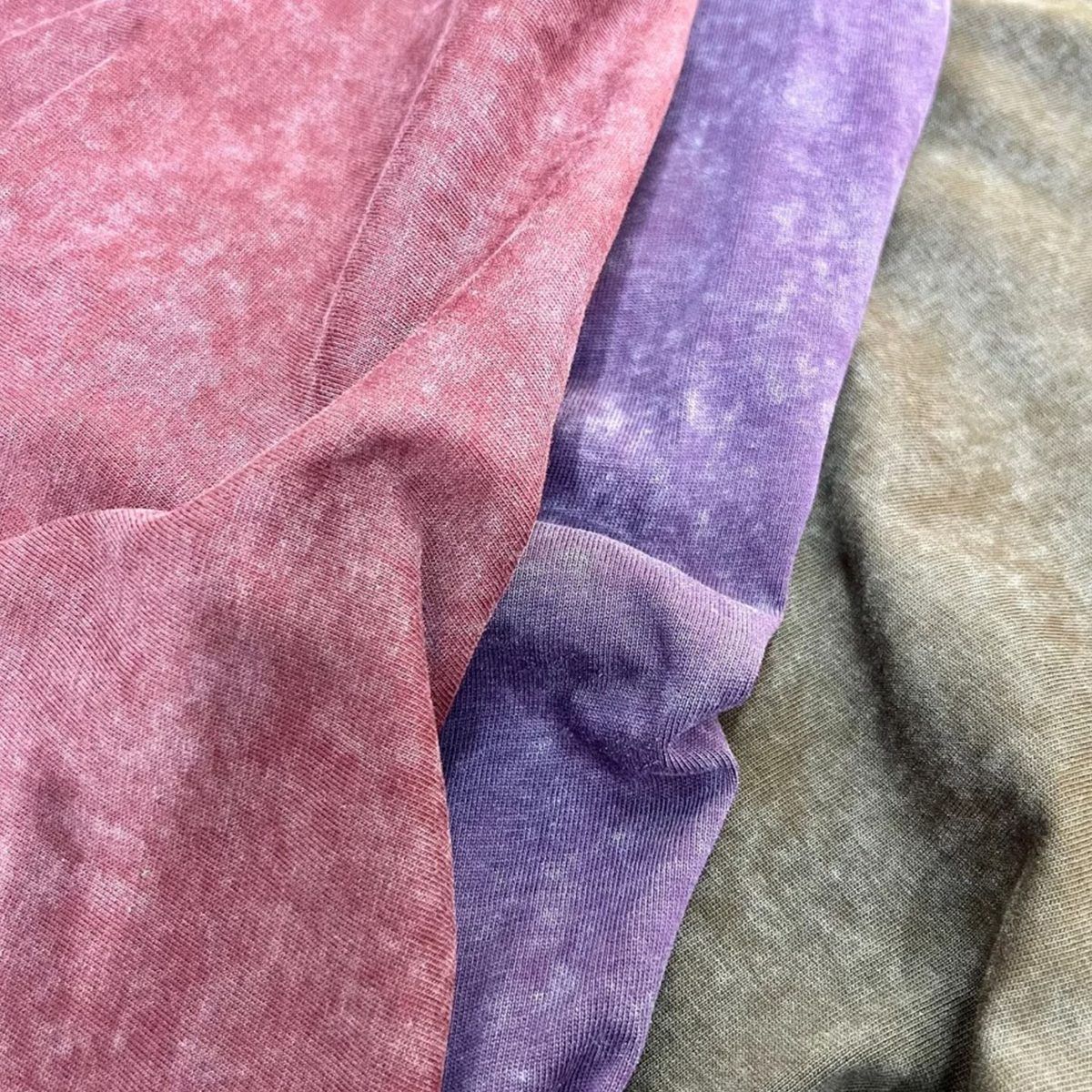
- Acid Wash: Creates strong vintage textures with high-contrast mottling.
- Vintage Wash: Produces a soft, faded, lived-in appearance.
- Enzyme Wash: Improves softness and comfort by breaking down fiber ends.
- Snow Wash: Produces a frosted, snowflake-like mottled texture.
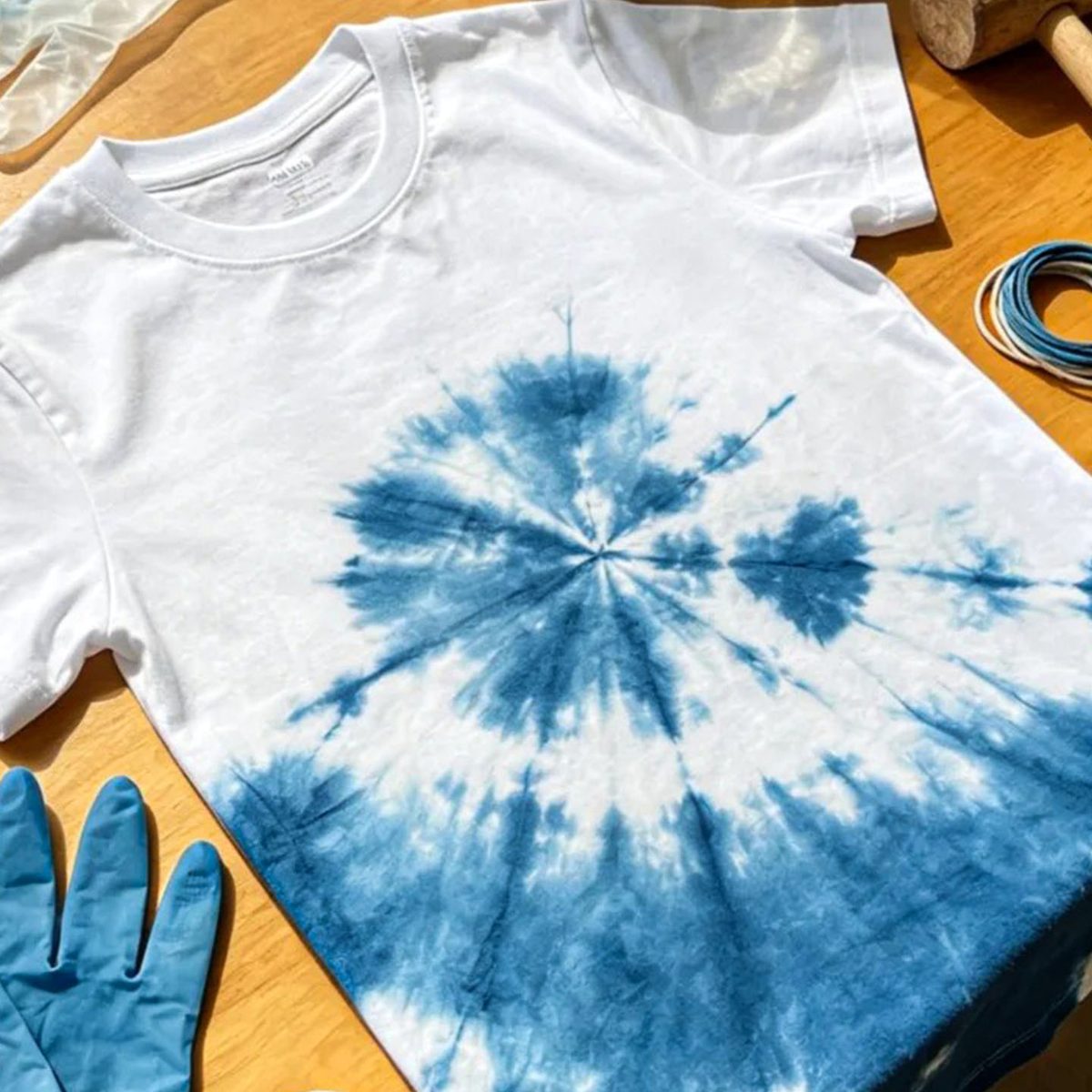
Suitable for vintage hoodies, denim jackets, and washed T-shirts. Tie-dye, another popular wash technique, creates organic, unrepeatable color patterns that have become a streetwear staple.
7. Distressed Processing
Distressed processing has become one of the most popular design languages in modern streetwear. Through hand distressing, laser cutting, and special washing techniques, manufacturers can create natural worn-in effects that look authentically aged rather than artificially damaged.
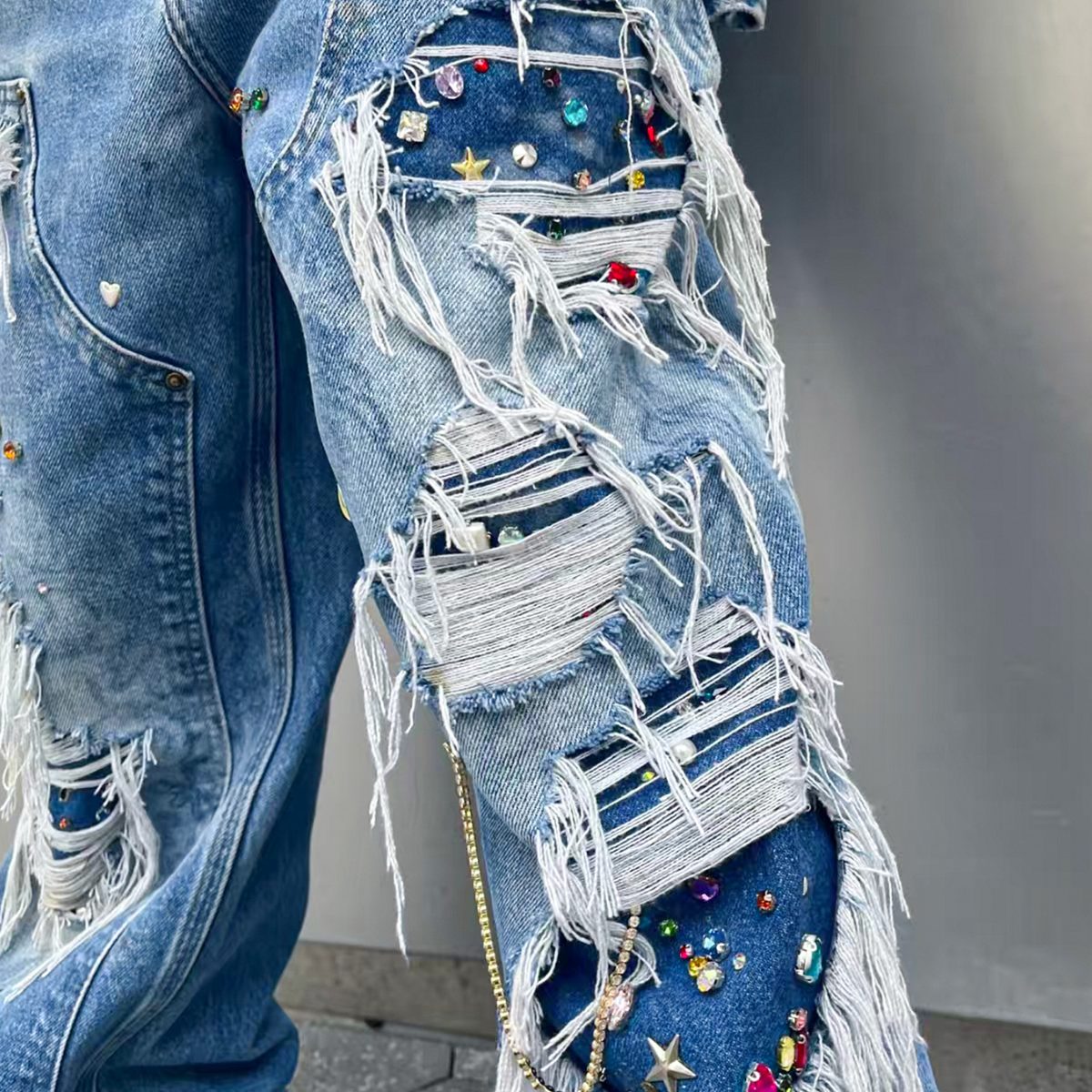
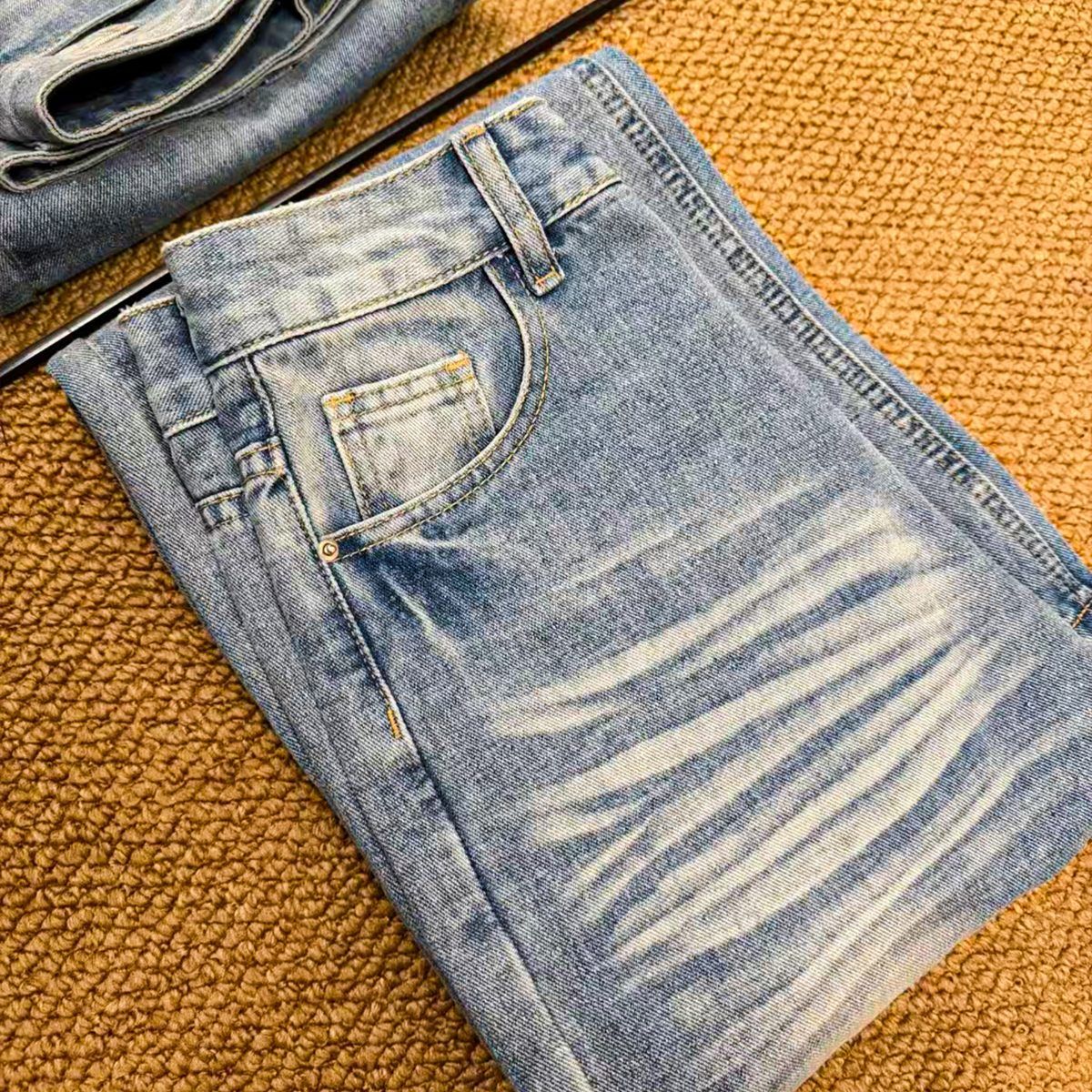
Whiskering — the thin, faded lines radiating from the hip and thigh area — is one of the most recognizable distressed effects. Common applications include destroy jeans, distressed hoodies, and vintage sweatshirts.
8. Laser Cutting
Laser cutting uses high-precision laser equipment to cut or perforate fabrics. It enables breathable sportswear panels, decorative textures, and customized designs with clean edges and complex patterns that would be impossible with traditional cutting methods.
Advantages include high precision, clean edges, and the ability to create complex patterns without fraying — making it ideal for techwear and avant-garde streetwear where structural precision matters.
9. Panel Construction
Panel construction is an important element in premium streetwear design. By combining different fabrics, colors, and structural elements, it creates visual depth and layered silhouettes that a single-fabric garment cannot achieve.
Examples include denim panel hoodies, nylon panel jackets, and multi-layered trousers. Suitable for avant-garde streetwear, techwear, and luxury streetwear where construction itself is the design statement.
10. Special Fabric Technology
Modern streetwear is increasingly focused on functionality. Beyond aesthetics, brands are incorporating performance technologies that make garments not just look good, but perform in real-world conditions.
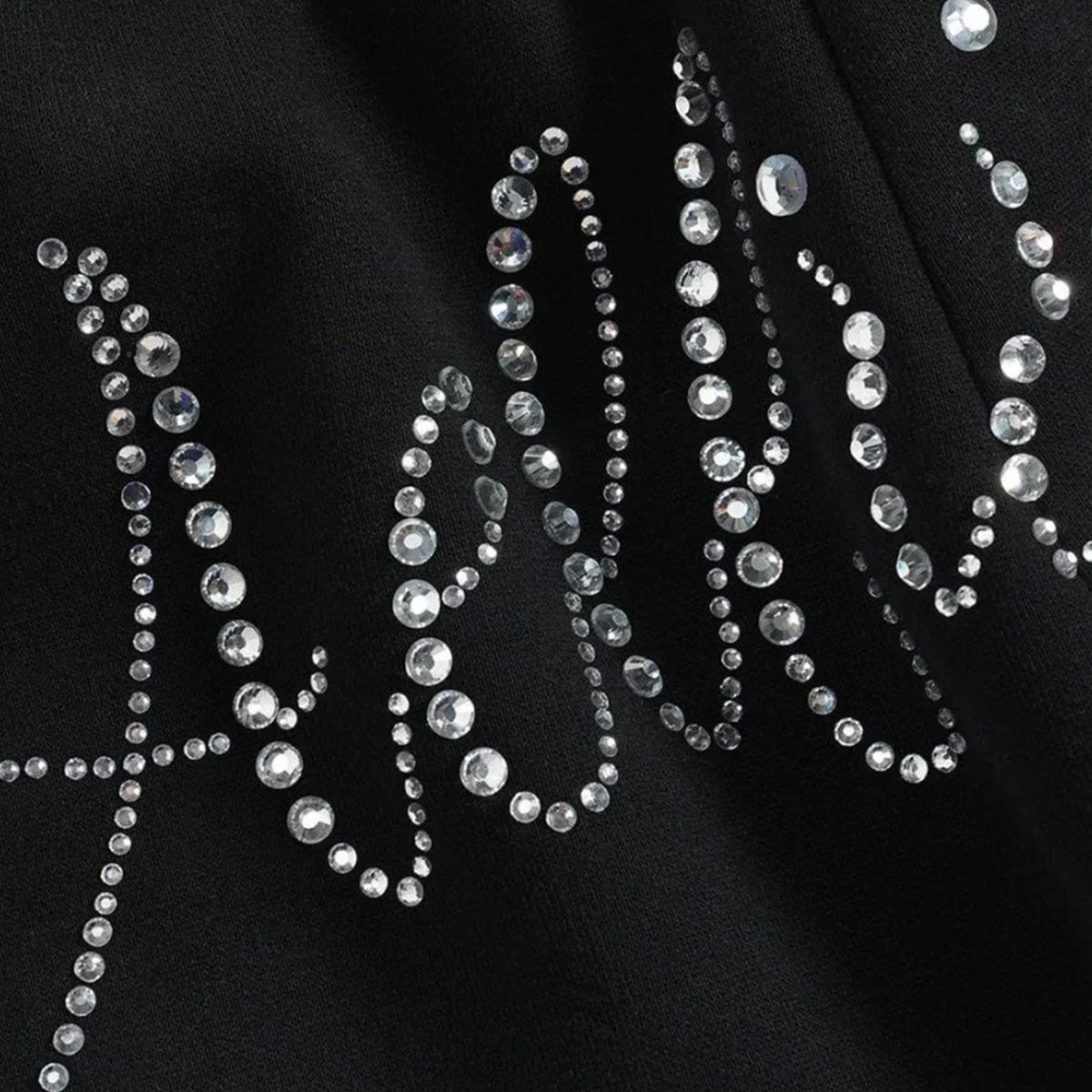
- Waterproof Coatings: Suitable for outdoor streetwear that needs to withstand the elements.
- Reflective Materials: Suitable for night streetwear, enhancing both safety and visual impact.
- Glow-in-the-Dark Technology: Suitable for limited-edition streetwear collections with an interactive, after-dark identity.
- Color-Changing / Water-Activated Technology: Uses special materials to create changing visual effects, creating an interactive product experience for consumers.
Understanding these 10 essential processes is the first step. The real mastery lies in knowing which technique to use, when to use it, and how to combine multiple processes into a single cohesive garment that tells your brand's story.
At DOLUXE, our Dongguan factory houses all of these capabilities under one roof — from screen printing and 3D embroidery to laser cutting and special fabric treatments. Whether you're developing a single flagship piece or a full collection, we help you choose the right techniques to bring your vision to life.