
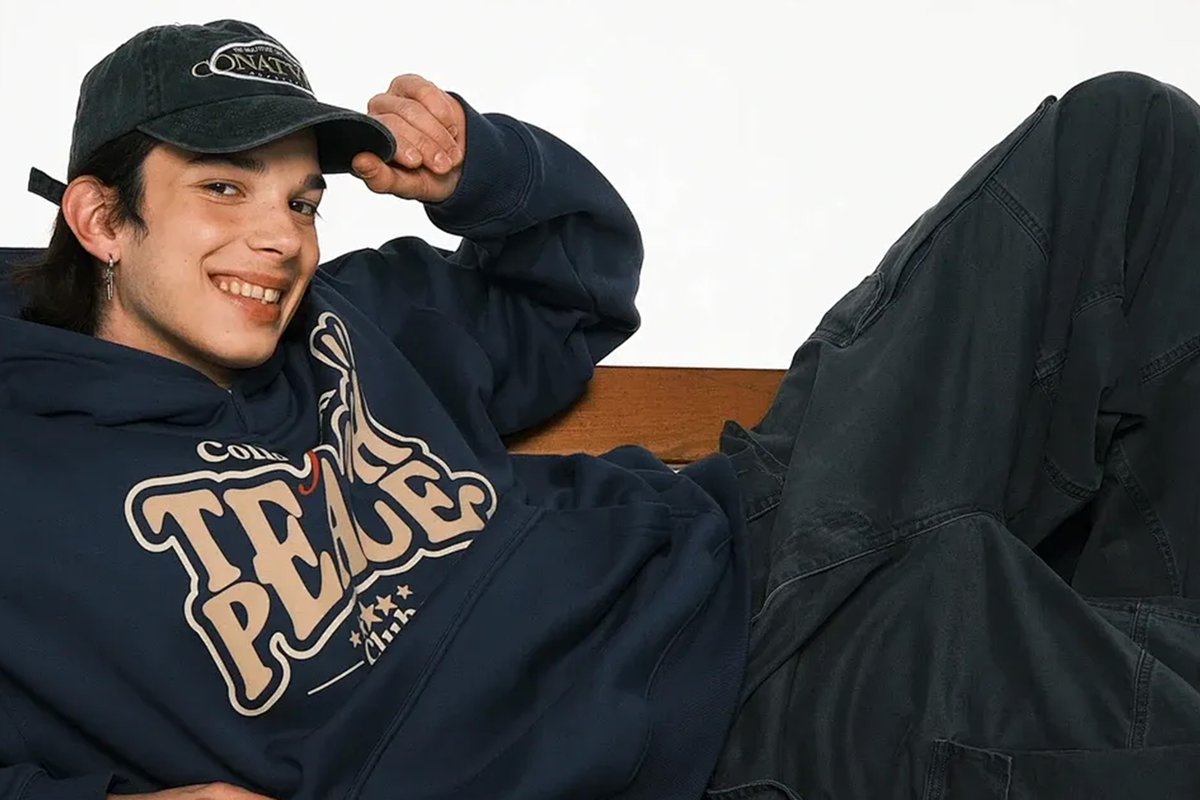
The hoodie is the undisputed cornerstone of streetwear. From its origins as a practical work garment to its current status as a global fashion staple, the hoodie has evolved into dozens of distinct styles — each with its own silhouette, construction details, and cultural associations.
Whether you are building a streetwear brand or expanding your product line, understanding the different types of hoodies is essential for making informed design and manufacturing decisions. This guide covers every major hoodie style, their construction differences, and which fabrics work best for each.
Pullover Hoodies
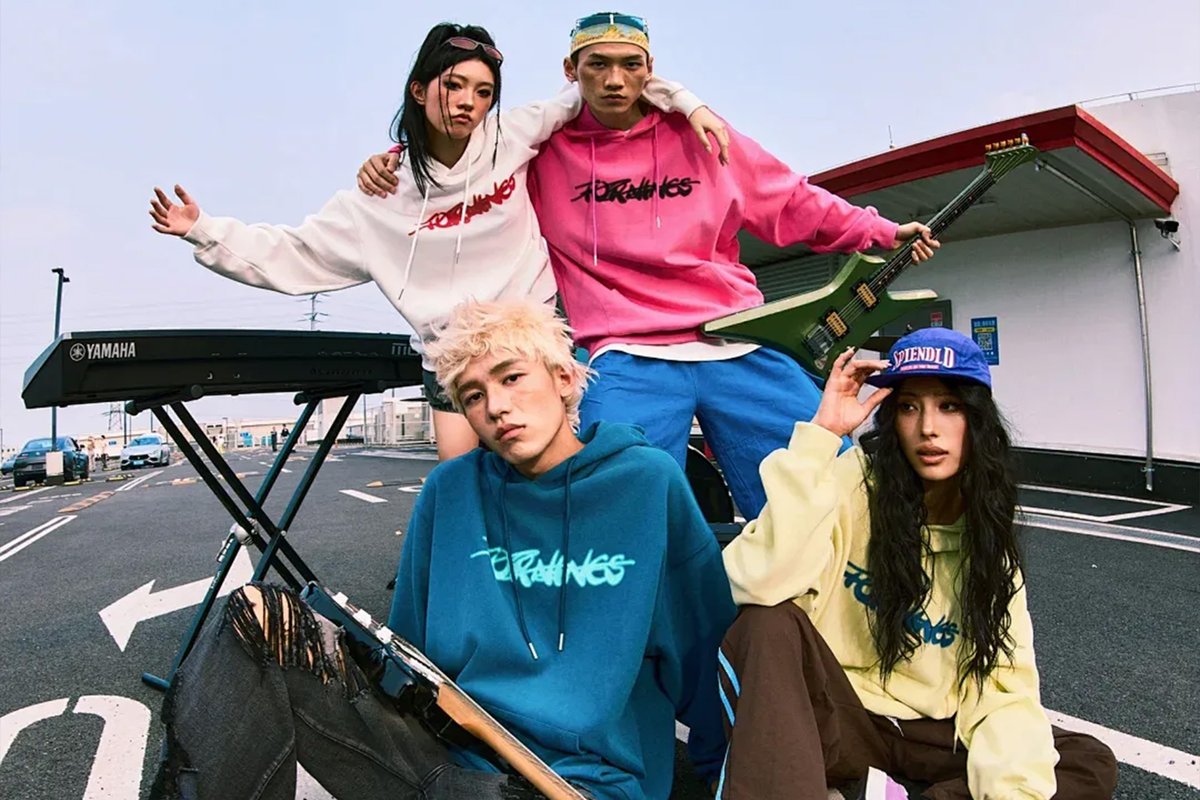
The pullover hoodie is the most classic form — a single-piece garment with no zipper, put on by pulling it over the head. This style is favored for its clean front surface, which provides an uninterrupted canvas for graphic prints, embroidery, or minimalist branding.
Pullover hoodies typically feature a kangaroo pocket (also called a muff pocket) and an adjustable drawstring hood. The lack of a zipper makes them slightly warmer and more comfortable for layering, as there is no metal hardware against the skin.
Key construction details:
- Double-layer hood — Most quality pullovers use a self-fabric hood lining for structure and warmth
- 1x1 ribbed cuffs and hem — Provides elasticity and shape retention after washing
- Kangaroo pocket — Can be open or welted; premium hoodies often reinforce the pocket corners
- Drawstring — Flat cotton, tubular cotton, or round cord; metal or plastic aglets
Zip-Up Hoodies (Full-Zip)
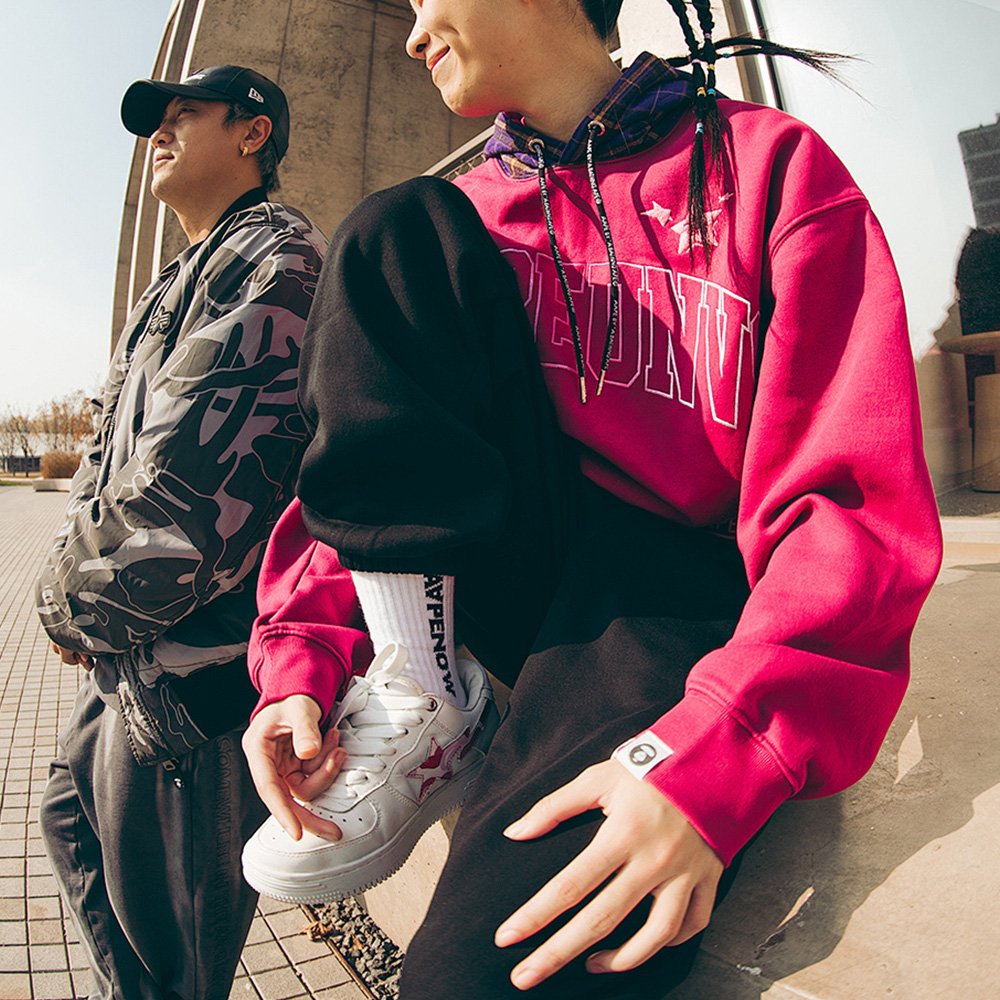
Zip-up hoodies feature a full-length zipper down the center front, allowing them to be worn open or closed. This style is more versatile for layering and temperature regulation — wear it open over a tee in mild weather, or zip it up against the cold.
From a manufacturing perspective, zip-up hoodies require more precise pattern work. The zipper must align perfectly with the hem and collar, and the two front panels must be symmetrical. Quality zip-up hoodies use YKK or similar hardware-grade zippers to prevent splitting.
Explore our custom zip hoodie collection for heavyweight, embroidered, and vintage-wash options.
Oversized Hoodies
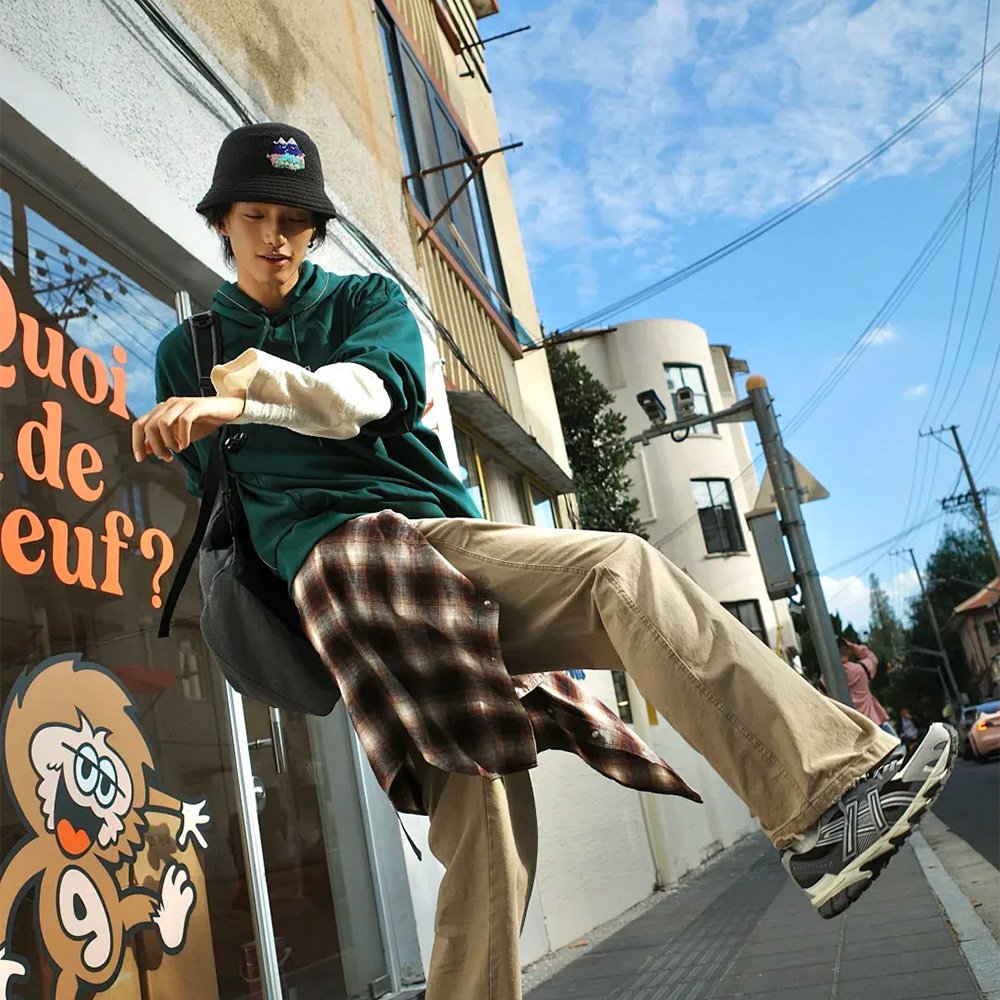
The oversized hoodie is the defining silhouette of modern streetwear. Characterized by dropped shoulders, an extended body length, and a boxy fit, this style draws inspiration from 90s skate culture and contemporary high-fashion streetwear.
Oversized hoodies are not simply a larger version of a regular hoodie — the pattern is fundamentally different. The shoulder seam drops 3–6 inches below the natural shoulder point, the body width increases by 20–30%, and the sleeve length is adjusted to maintain proportion.
Fabric recommendations for oversized hoodies:
- 400–500gsm French terry — Provides enough structure to hold the oversized shape without collapsing
- 500–600gsm heavyweight fleece — For premium pieces that maintain their silhouette over time
- 350–400gsm vintage-wash terry — For a softer, lived-in feel that still holds shape
Cropped Hoodies
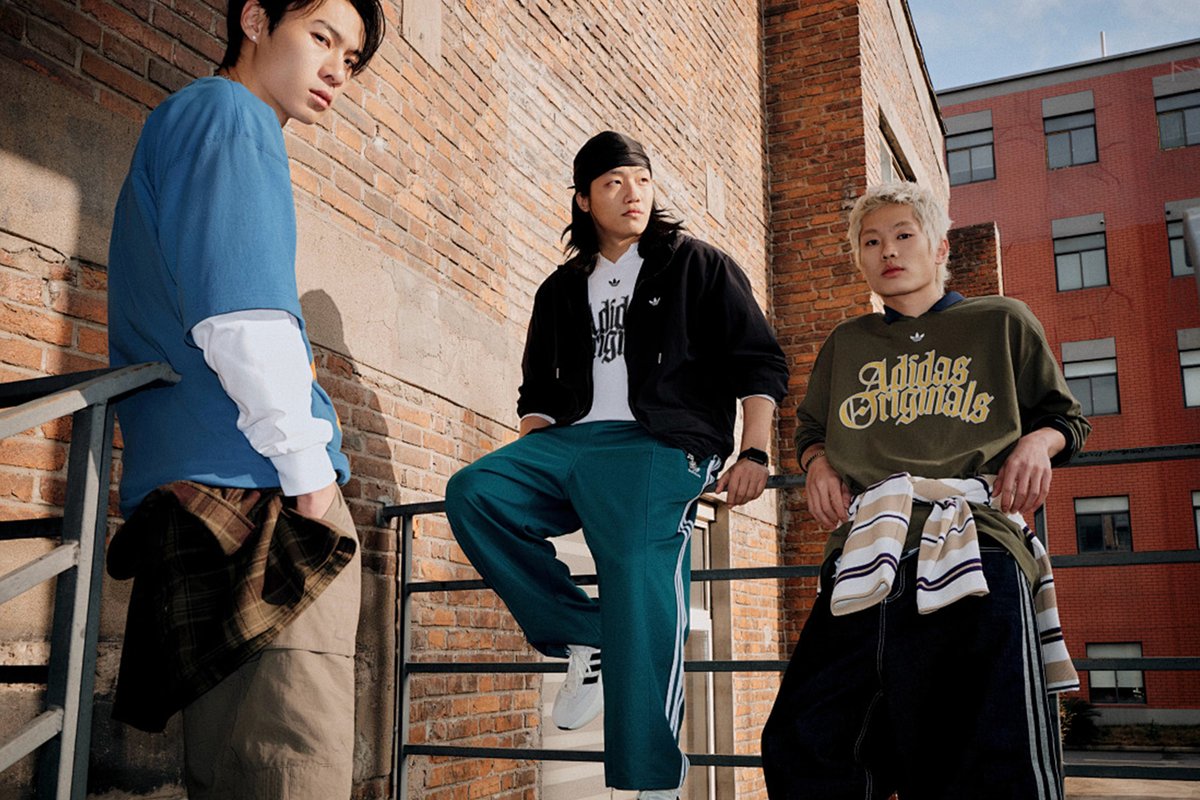
Cropped hoodies end at or above the natural waistline, creating a proportioned look that pairs well with high-waisted pants or layered over longer tees. This style has grown popular in unisex streetwear collections and women's streetwear lines.
Construction-wise, cropped hoodies can be pullover or zip-up. The key design decision is the crop length — typically 2–4 inches above the waist. The hem is usually finished with a ribbed band for a clean edge, or left raw for a deconstructed look.
Heavyweight Hoodies (400gsm+)
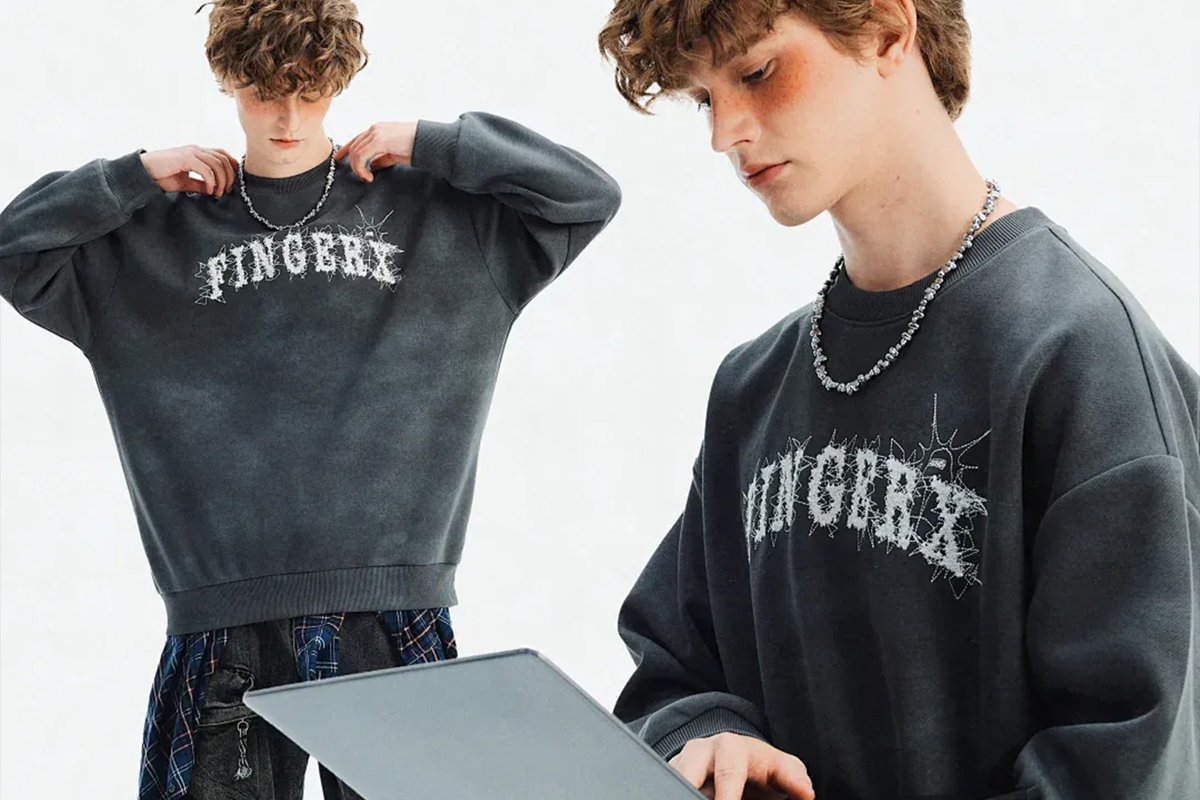
Heavyweight hoodies are defined by their fabric weight — typically 400gsm or higher. These are the premium tier of the hoodie market, offering superior structure, warmth, and a substantial hand-feel that immediately communicates quality.
At DOLUXE, we manufacture custom heavyweight hoodies ranging from 400gsm to 600gsm using French terry and loop-back fleece. The heavier the fabric, the more structured the hoodie — a 600gsm hoodie will hold its shape through hundreds of wash cycles.
Why fabric weight matters:
| Weight Range | Feel | Best For | Price Tier |
|---|---|---|---|
| 280–350gsm | Lightweight, soft | Layering, spring/fall | Budget |
| 350–400gsm | Medium weight, versatile | All-season everyday wear | Mid-range |
| 400–500gsm | Heavy, structured | Premium streetwear | Premium |
| 500–600gsm | Very heavy, luxurious | Luxury streetwear brands | High-end |
Graphic Print Hoodies
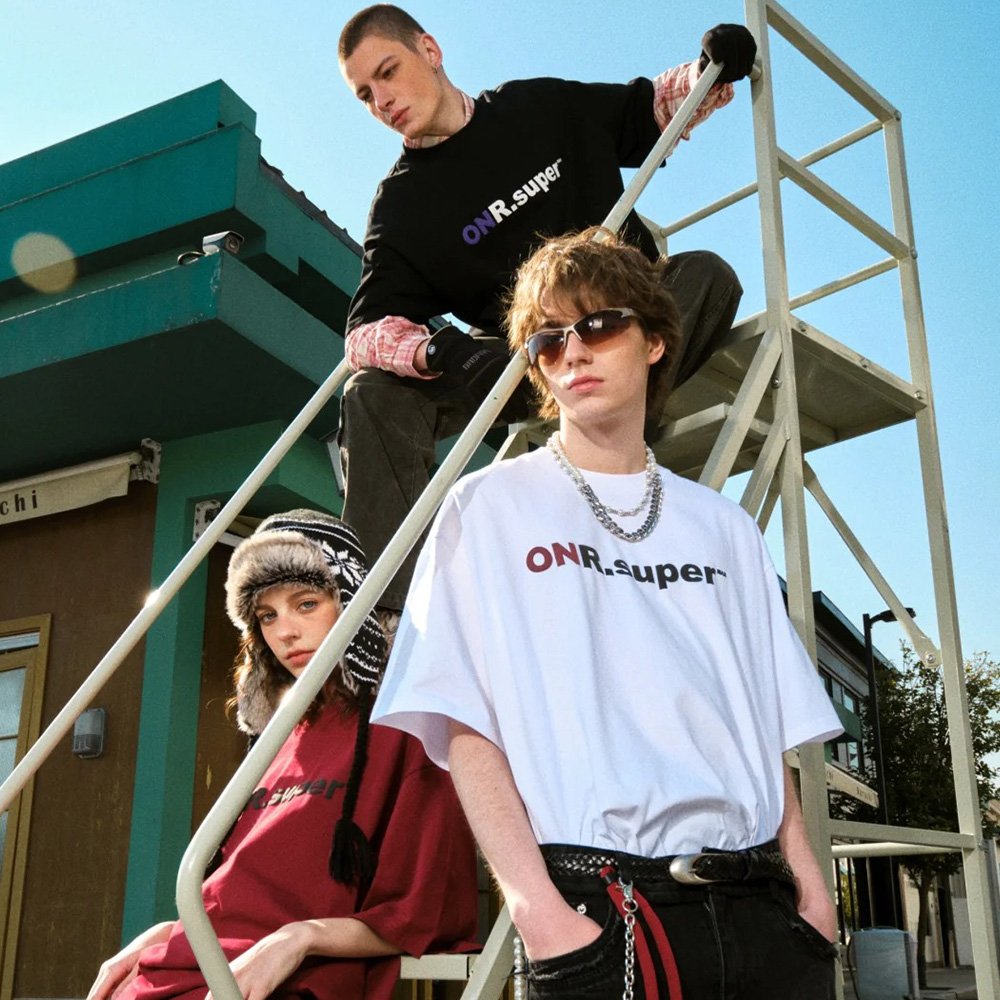
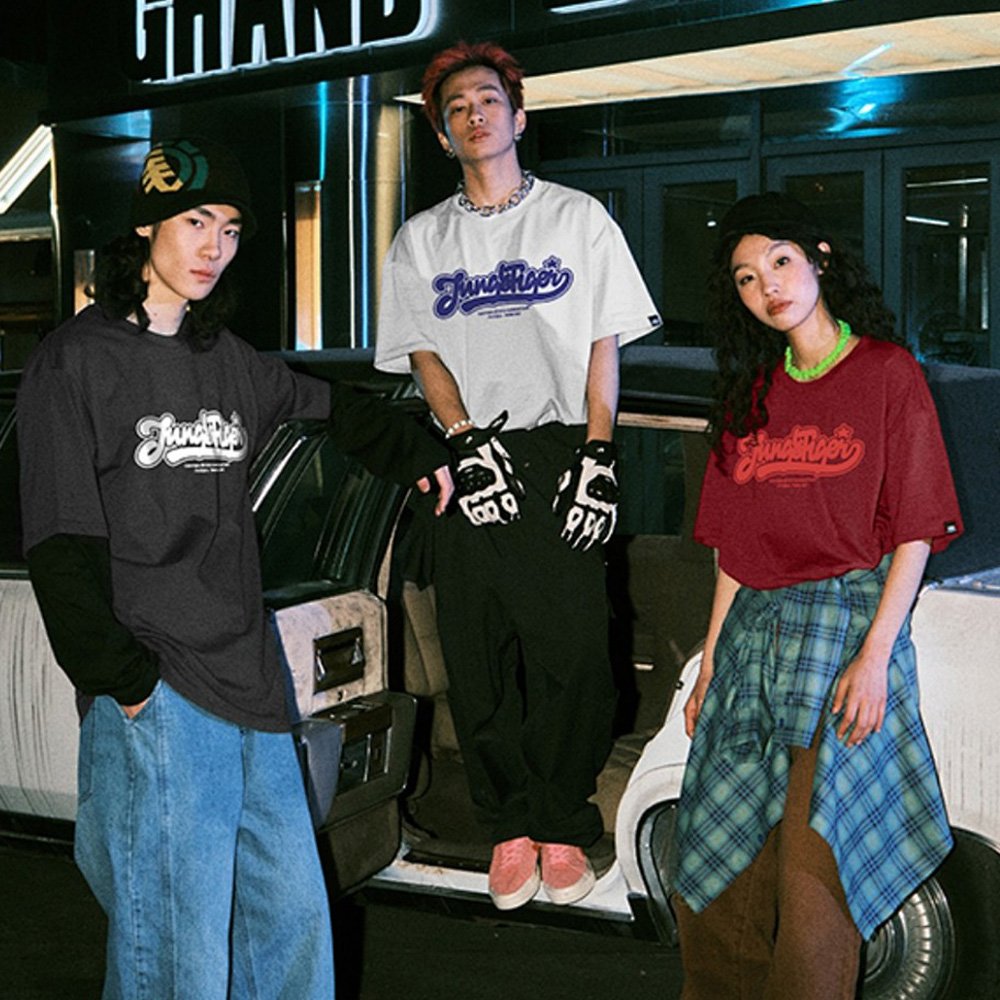
Graphic print hoodies feature artwork applied through screen printing, DTG (direct-to-garment), or sublimation. The hoodie's large front and back panels make it an ideal canvas for bold visuals.
The choice of print method affects both aesthetics and durability:
- Screen printing — Best for solid color designs, high durability, cost-effective at volume
- DTG — Best for detailed, multi-color designs, photo-quality prints, small runs
- Puff print — Raised, tactile print that adds dimension; popular in streetwear
- Sublimation — Full-coverage all-over print; works best on polyester blends
Embroidered Hoodies
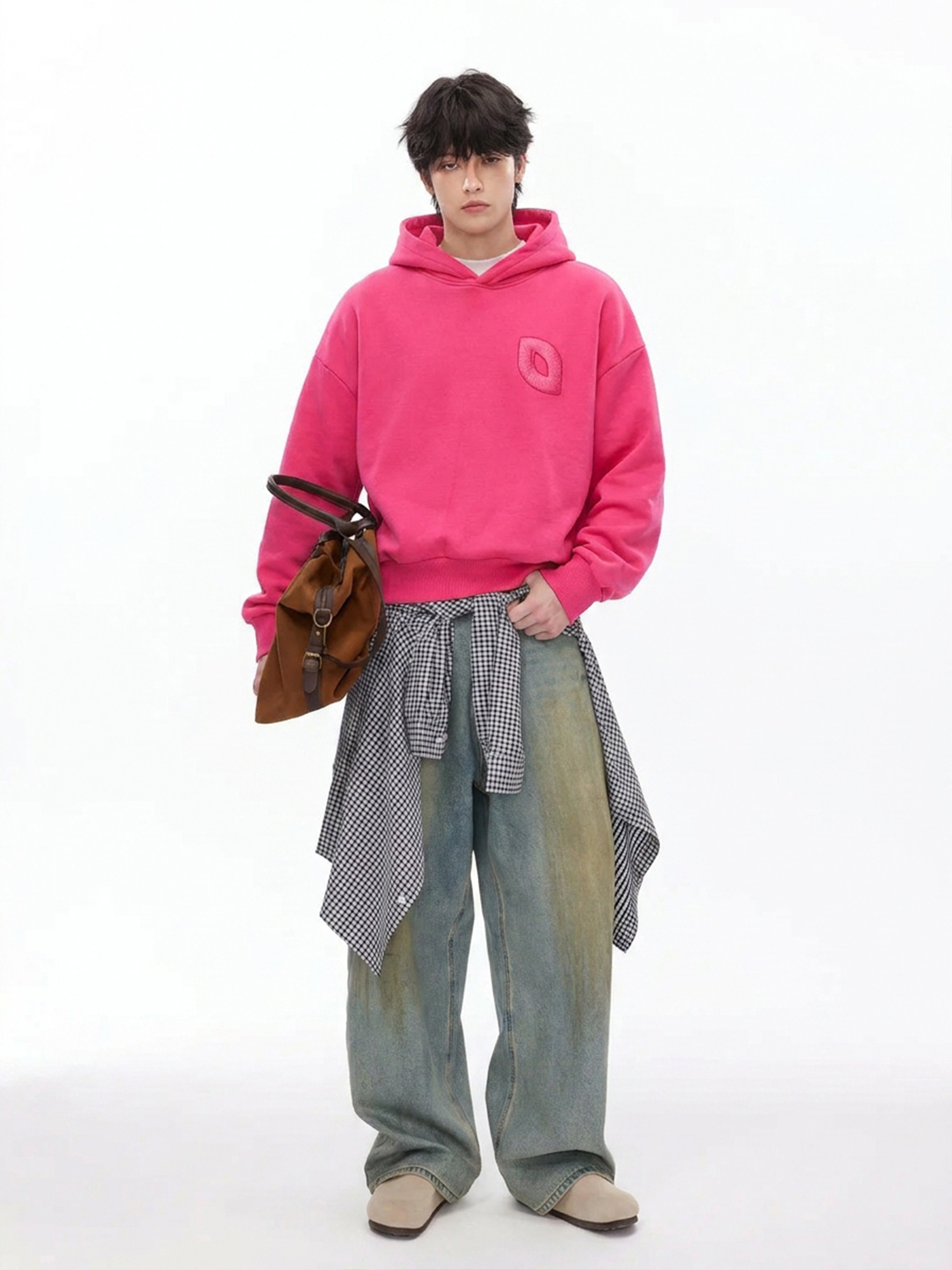
Embroidery adds a tactile, premium dimension that printing cannot achieve. Common embroidery styles on hoodies include:
- Flat embroidery — Clean, smooth stitching for logos and text
- 3D puff embroidery — Raised foam-backed stitching that creates a bold, dimensional effect
- Chenille embroidery — Fuzzy, yarn-based embroidery reminiscent of varsity jackets
- Applique — Fabric pieces sewn onto the hoodie for layered, textured designs
Learn more about decoration techniques in our manufacturing techniques guide.
Vintage Wash and Acid Wash Hoodies
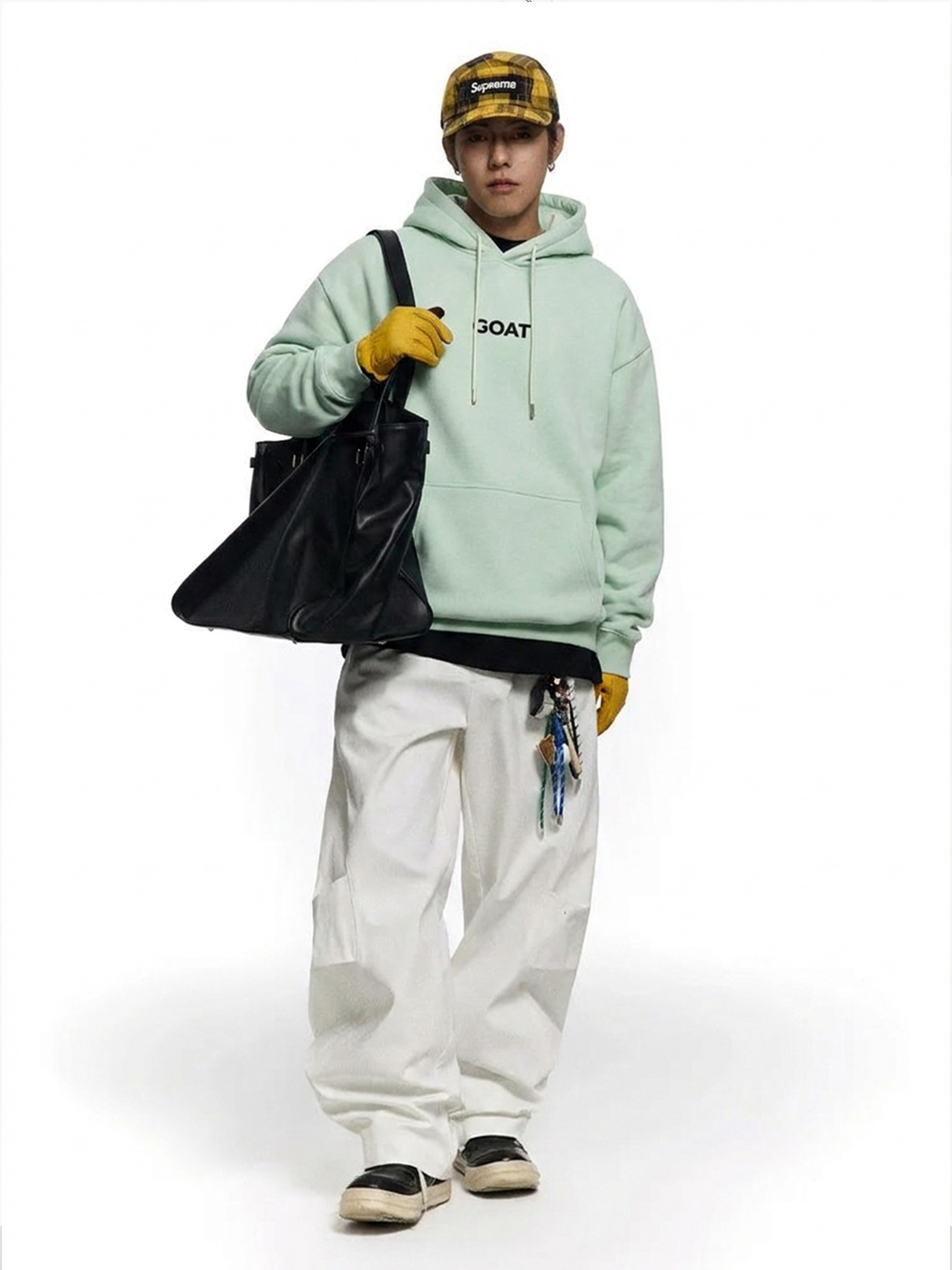
Wash treatments transform the look and feel of a hoodie, creating unique surface effects that cannot be achieved through printing or embroidery alone.
- Vintage wash — Enzyme washing that softens the fabric and creates a faded, lived-in appearance
- Acid wash — Bleach-based treatment that creates dramatic, irregular color variation
- Snow wash — A gentler version of acid wash with a frosted, crystalline appearance
- Garment dye — Dyeing the finished hoodie for deep, saturated color with a unique hand-feel
Sleeveless Hoodies
Sleeveless hoodies (also called hooded tank tops) remove the sleeves entirely, creating a sporty, warm-weather option. This style is popular in gym wear, festival fashion, and summer streetwear collections. The armholes are typically finished with a ribbed binding or self-fabric binding.
How to Choose the Right Hoodie Type for Your Brand
When selecting hoodie styles for your brand, consider these factors:
- Target audience — Skate brands lean toward pullover and oversized; fashion brands may prefer zip-up and cropped
- Price point — Heavyweight and embroidered hoodies command higher prices but cost more to produce
- Climate — Lightweight hoodies for spring/summer; heavyweight for fall/winter
- Decoration plan — If you plan to use 3D embroidery, choose 400gsm+ fabric to support the weight
- Brand identity — Minimalist brands may prefer clean pullovers; maximalist brands may opt for all-over print or mixed techniques
Frequently Asked Questions
What is the most popular hoodie type in 2025?
The oversized pullover hoodie in 400–500gsm French terry remains the most popular style in streetwear. This silhouette combines comfort, structure, and the vintage-inspired aesthetic that dominates current streetwear trends.
What fabric weight is best for hoodies?
For premium streetwear, 400–500gsm is the sweet spot. It provides enough weight to hold structure and keep the wearer warm, without being so heavy that it becomes stiff. Luxury brands may go up to 600gsm for maximum substance.
What is the difference between French terry and fleece?
French terry has a smooth face and looped back (unbrushed), making it lighter and more breathable. Fleece (or polar fleece) has a brushed, fuzzy back that is warmer and softer. Most heavyweight streetwear hoodies use French terry at 400gsm+.
Can I mix embroidery and print on the same hoodie?
Yes. Full-package manufacturers like DOLUXE can combine multiple techniques on a single garment — for example, 3D puff embroidery on the chest and screen print on the back. This requires careful production sequencing to avoid damaging one decoration while applying another.
What MOQ do I need for custom hoodies?
DOLUXE offers a minimum order quantity of 50 pieces per style/color for custom hoodies. This allows emerging brands to test products without large upfront investment. Unit costs decrease significantly at 300+ pieces.
Conclusion
Understanding the different types of hoodies — from pullover to zip-up, oversized to cropped, heavyweight to vintage wash — gives you the knowledge to make better product decisions for your streetwear brand. The right hoodie style, paired with the appropriate fabric weight and decoration technique, can become a signature piece that defines your brand identity.
At DOLUXE, we manufacture all hoodie types with in-house embroidery, printing, and wash capabilities. Contact us to start your custom hoodie project today.
DOLUXE — Do Luxury for Your Brands