
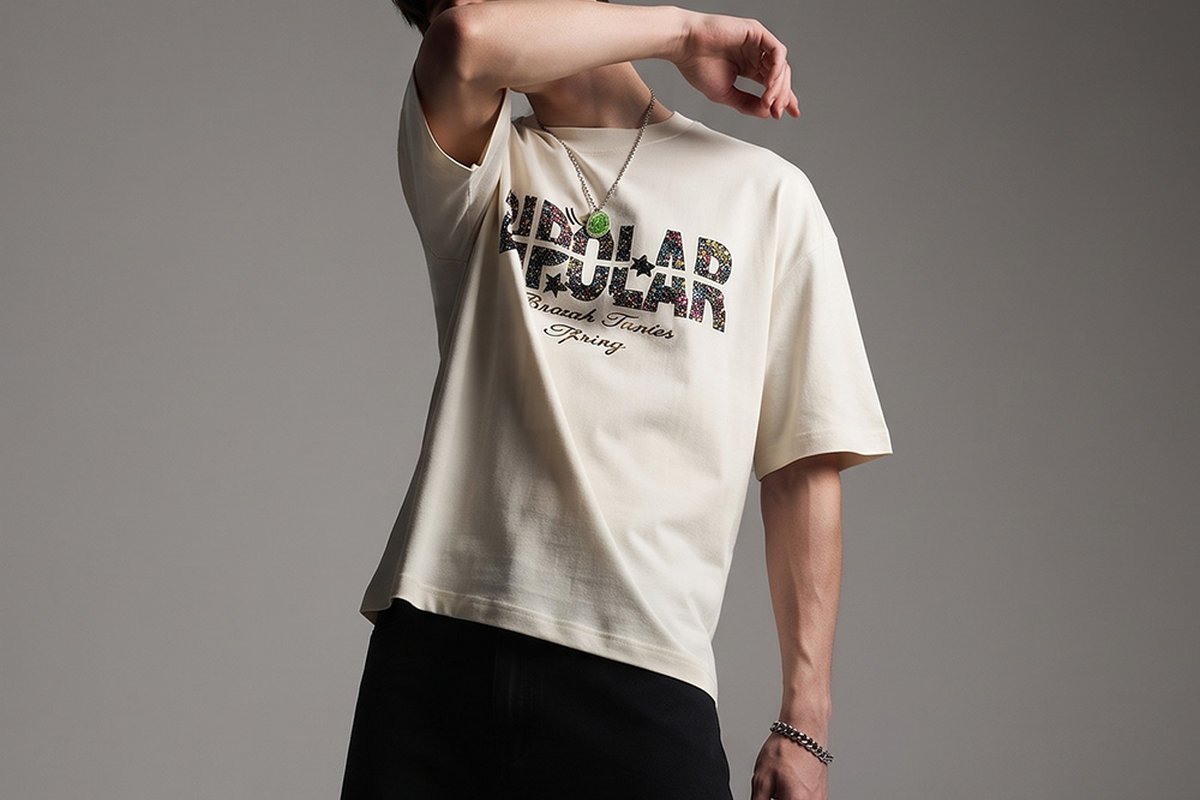
When a brand asks us for T-shirt samples, "what GSM?" is usually the first question — and the one with the most confusing answers online. There is no single correct weight. 180 GSM, 220 GSM and 300 GSM are three different products aimed at three different customers. Here is how we compare them on the factory floor, and how to choose.
180 GSM vs 220 GSM vs 300 GSM: At a Glance
| 180 GSM | 220 GSM | 300 GSM | |
|---|---|---|---|
| Category | Lightweight / standard | Midweight | Heavyweight |
| Hand-feel | Soft, thin, drapey | Substantial but flexible | Dense, firm, structured |
| Opacity | Can be sheer in white | Opaque in most colours | Fully opaque |
| Silhouette | Clings or drapes close | Holds a light shape | Holds oversized / boxy cuts |
| Best season | Summer, layering base | 3-season | Autumn – winter |
| Typical buyer | Underlayers, promo blanks, hot climates | Everyday retail tees | Streetwear, premium blanks |
| Relative cost | Lowest | Mid | Highest (more cotton per metre) |
What a 180 GSM T-Shirt Is Best For
A 180 GSM tee is the classic "everyday" T-shirt — light, soft and comfortable against the skin. It is the weight used for most basics, promotional tees, band merch and summer wear. Its advantages: it breathes well, packs small, prints easily and keeps unit costs low.
Its limits are equally clear. In light colours a 180 GSM white tee can be slightly sheer when stretched. It will not hold an oversized silhouette — the fabric simply lacks the body. And it wears out faster: after many washes the collar and hem tend to lose shape earlier than a heavier tee. Choose 180 GSM for high-volume basics, layering pieces and price-sensitive programs.
What a 220 GSM T-Shirt Is Best For
220 GSM sits in the "sweet spot" between light and heavy. It is the most common weight for mid-market retail T-shirts because it feels noticeably more premium than a 180 GSM tee without the stiffness or cost of a true heavyweight.
At 220 GSM the fabric is opaque, drapes cleanly, and still soft enough for everyday wear across most of the year. It gives a garment enough body to look tidy on a hanger while remaining flexible on the body. Brands that want a quality all-rounder — retail basics, merch with print, or a spring/summer range that still feels substantial — usually land here.
Hot-climate wear, underlayers, promo blanks.
Lowest cost, maximum breathability, high volume.
Everyday tees with a quality feel.
Opaque, soft, 3-season, mid cost — the safe choice.
Oversized, boxy, premium heavyweight tees.
Structured drape, winter weight, higher price point.
What a 300 GSM T-Shirt Is Best For
A 300 GSM tee is where "heavyweight" really begins. This is the weight behind most premium streetwear drops: dense 100% combed cotton that holds an oversized or dropped-shoulder shape without collapsing, is completely opaque even in white, and develops a smooth, flat surface that prints beautifully.
At this weight the tee behaves more like a structured garment than a basic. It drapes with weight, keeps its lines after washing, and — with proper pre-shrinking and a reinforced neckline — can outlast two or three lightweight tees. The trade-offs: it is warmer (less of a summer piece in humid climates), heavier to ship, and priced higher because every metre consumes more cotton.
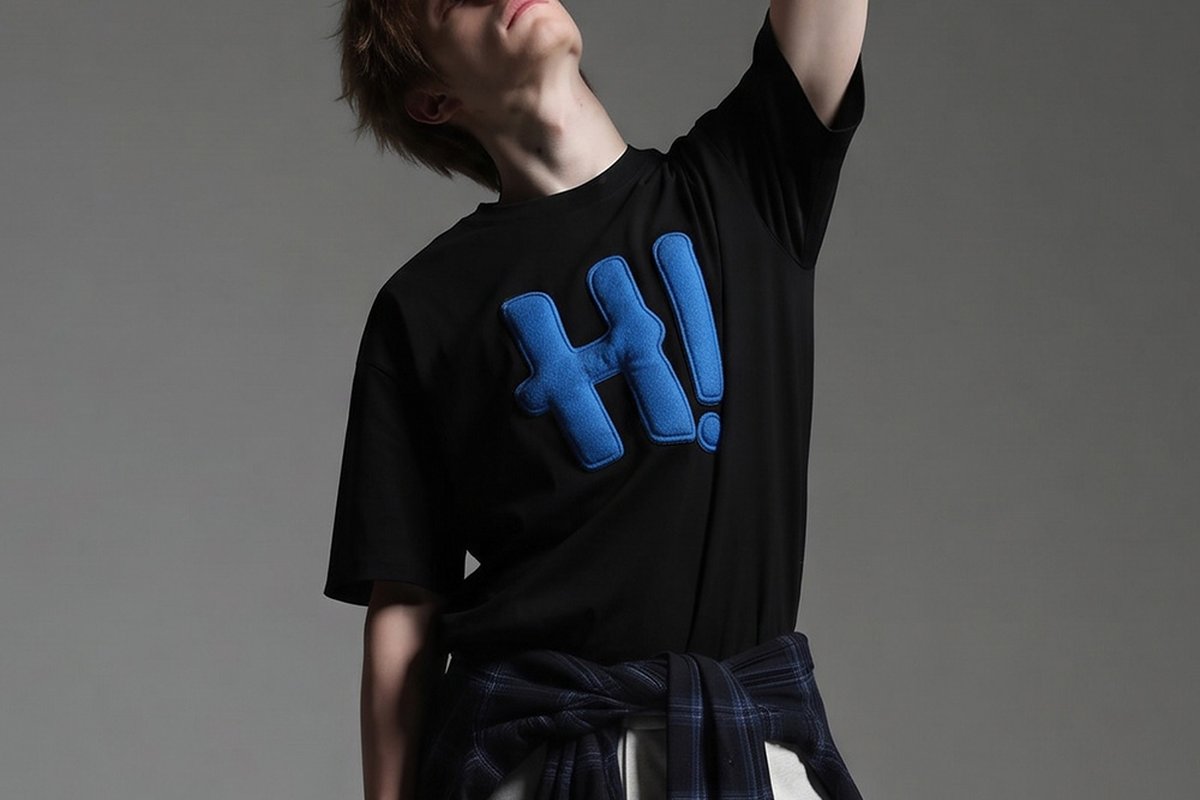
If your brand lives in streetwear, start at 300 GSM for the core tee and move up to 340–400 GSM for winter capsules. If you sell basics, stay at 180–220 GSM and protect margin with volume.
Which GSM Is Best for T-Shirts? (Quick Answers)
Is 220 GSM a heavyweight T-shirt?
Not by streetwear standards. 220 GSM is a solid midweight — thicker and more opaque than standard 180 GSM tees, but without the density, drape and structure of a 300 GSM heavyweight. Premium "heavyweight" tees generally start around 260–300 GSM.
Is a 300 GSM T-shirt too hot for summer?
In humid climates, yes — 300 GSM traps more heat and dries slowly. In dry or cooler climates it can work year-round. Many brands run 220 GSM for summer and 300+ GSM for autumn/winter drops rather than forcing one weight through all seasons.
180 GSM vs 220 GSM — which is better?
For everyday wear and print programs, 220 GSM is the better balance: it costs only a little more than 180 GSM while feeling noticeably denser and staying fully opaque. Choose 180 GSM only when price, breathability or very light weight matter more than hand-feel.
What GSM do premium streetwear brands use?
Most premium streetwear T-shirts sit between 300 and 380 GSM. Above ~400 GSM a T-shirt becomes a niche, winter-only product — at that point most brands switch to heavyweight hoodies instead.
What is the best GSM for screen printing?
240–340 GSM is the printing sweet spot: dense and flat enough for crisp registration and water-based inks, without being so thick that the print feels stiff. Heavier fabrics need careful pre-treatment and curing to avoid ink bleed into the knit.
How to Test GSM Before You Commit
Never choose a GSM from a photo. Ask your supplier for a fabric swatch and a wash-test report, then check: does the white shade stay opaque? Does the swatch hold its size after a 40°C wash? Does the hand-feel match the GSM on the spec sheet? A factory that cannot supply swatches and wash data for a 300 GSM program is not set up to make heavyweight quality reliably.
DOLUXE produces T-shirts from 180 GSM to 400 GSM and can send physical swatches of any weight band. If you are deciding between 220 and 300 GSM, our recommendation is to sample both in your actual colours and fit — the difference is felt, not read.
DOLUXE — Do Luxury for Your Brands