
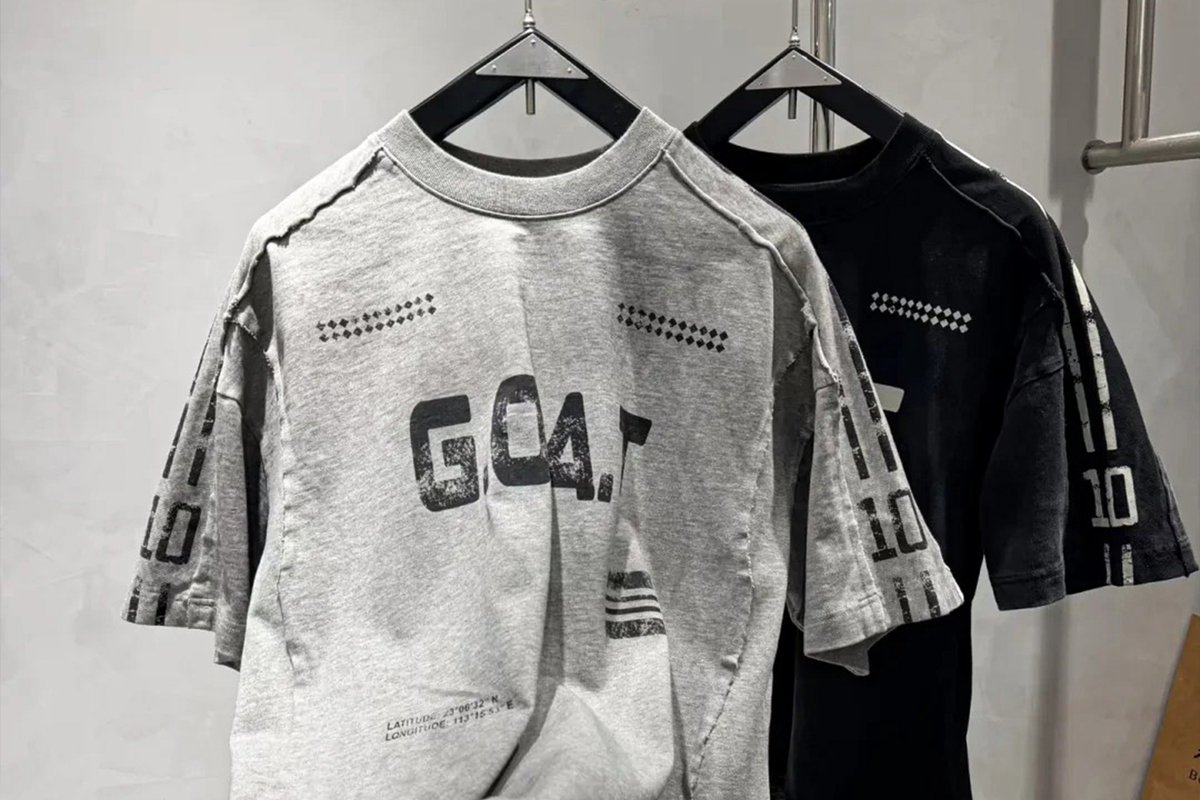
At DOLUXE, heavyweight T-shirts are our highest-volume category. We cut, sew and ship 300–400 GSM tees for streetwear labels in the US, EU and Australia year-round, so we have seen which specs make a tee sell — and which details brands overlook until the first bad review arrives. This buying guide compresses that experience into the decisions that matter.
Step 1: Choose the Right GSM for Your Brand Positioning
Weight is the first thing customers feel. There is no universally "best" GSM — there is the GSM that matches your price point and silhouette:
- 300–320 GSM: the streetwear entry point. Dense enough to hold an oversized cut, heavy enough to feel premium, still wearable across more seasons and climates. The safest starting weight for a first collection.
- 340–380 GSM: noticeably heavier hand-feel with a stiffer drape. Popular for boxy, structured fits and winter drops.
- 380–400 GSM: the "heavy" end for T-shirts. Thick, rigid and warm — best for cold-season capsules and premium price points. Above ~400 GSM a T-shirt becomes niche; most buyers switch to hoodies there.
Also consider your market's climate. A 400 GSM tee that sells in New York in December will sit unsold in Los Angeles. Many brands build a core at 300–340 GSM and drop a 380+ GSM capsule for winter.
Step 2: Specify the Fabric and Yarn, Not Just the Weight
Two 320 GSM tees can feel completely different. The difference is yarn and knit quality:
- Combed long-staple cotton: the fibres are combed to remove short, fuzzy staples, giving a smoother, stronger yarn that resists pilling. This is the non-negotiable for a premium hand-feel.
- Compact or Siro spinning: these processes twist the yarn tighter and cleaner, producing a denser surface with less fuzz. Heavyweight tees spun this way look and feel "sharp", not fluffy.
- Single vs double yarn: double (plied) yarns are stronger and heavier but pricier. Most 300–400 GSM tees use high-quality single yarns at the right count; plied yarns appear in luxury workwear pieces.
- Blends: 100% cotton is the default for premium streetwear. CVC (cotton-majority blends) improves wash stability and lowers cost — useful for budget blanks but with a slightly less natural feel.
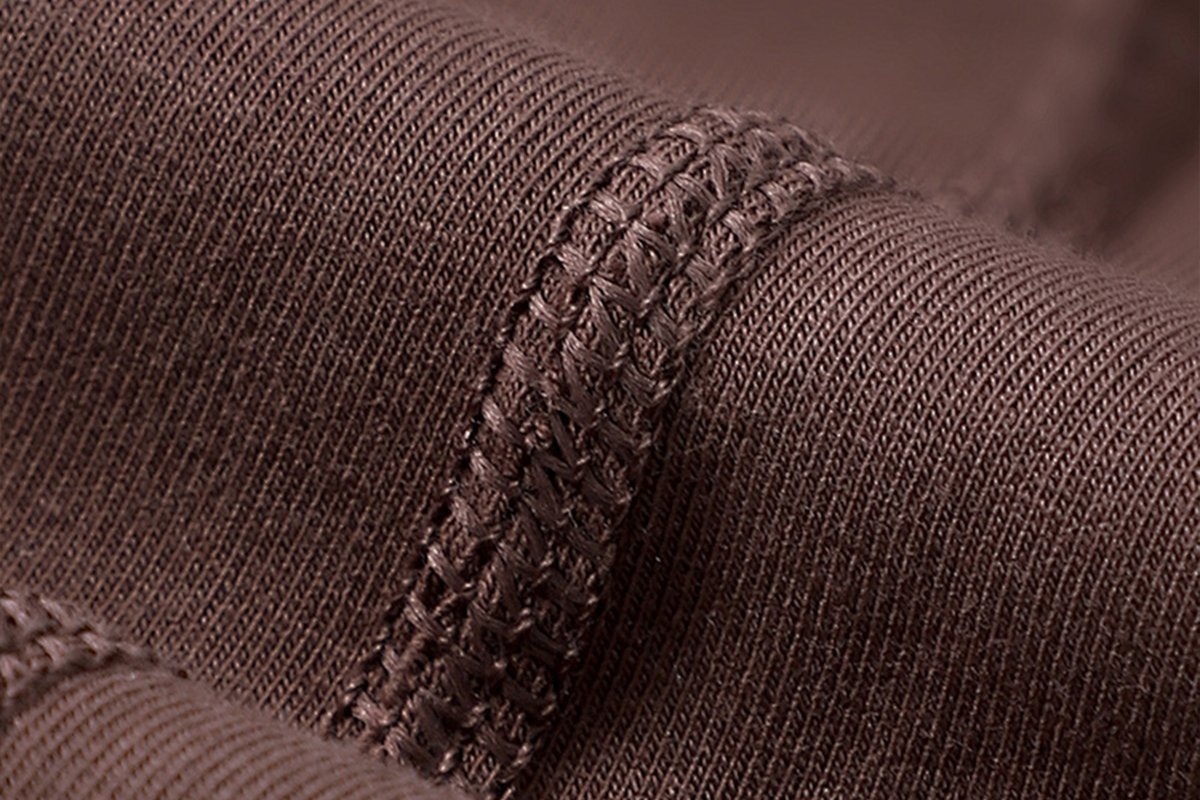
Ask your supplier for the yarn count and knitting spec, not only the GSM. A manufacturer that cannot tell you the yarn count on a "heavyweight" tee is probably buying generic blanks.
Step 3: Verify Opacity and Shrinkage Control
Two quality markers separate factory-made heavyweights from ordinary blanks:
- Opacity: a true heavyweight white tee must be opaque. Cheap "heavy" fabric often achieves weight with loose knitting, which still shows through. Check by stretching the fabric — if the knit opens into visible gaps, density is poor.
- Pre-shrinking: high-GSM cotton shrinks more if not stabilised. Reputable factories run high-temperature pre-shrinking and keep shrinkage within ±2%. Always request the wash-test report; a tee that shrinks a full size after the first wash destroys a brand.
Step 4: Lock the Fit and Neckline Construction
Streetwear heavyweights live or die on silhouette. The fit is built from the pattern — dropped shoulder, boxy chest, cropped or regular length — but the construction details decide whether it stays that way:
- Reinforced neckline: a woven or poly-cotton neck tape plus a ribbed collar that matches the fabric weight. On heavy fabric, a thin collar will curl and distort. Premium tees use a collar rib of roughly 260–300 GSM with a seamless shoulder join.
- Four-thread overlock seams: shoulder and side seams sewn with four-thread overlock resist the stress of a heavy fabric better than basic three-thread.
- Double-needle hems: sleeves and bottom hem finished with twin needles for a clean roll-free edge.
- Side-seamed vs tubular: side-seamed bodies fit better and hold shape; tubular bodies are cheaper but twist in the wash. Streetwear buyers should specify side-seamed.
Step 5: Check Decoration Compatibility
A heavyweight tee is usually a canvas for branding, so confirm your decoration plan with the factory before bulk:
- Screen printing: 300+ GSM cotton is the best screen-printing substrate — dense, flat and stable. Water-based and discharge inks sit beautifully; avoid heavy plastisol layers that crack on stiff fabric.
- Embroidery: high-density fabric holds embroidery cleanly without puckering. Chest logos and back pieces both work well above 280 GSM.
- DTG / puff / foil: all viable on heavyweight cotton. Puff ink and 3D effects actually read better on a structured tee.
- Pre-treatment: heavyweight jersey may need more careful pre-treatment before printing to avoid ink bleed through the dense knit. A factory that prints and sews under one roof will handle this more reliably than separate vendors.
New streetwear label testing the market.
100% combed cotton, 2–3 core colours, one cut. MOQ-friendly and low risk.
Established brand protecting a price point.
Compact-Siro yarn, garment-dyed options, reinforced neckline, side seams.
Cold-season statement piece.
Brushed or heavyweight jersey, oversize fit — positioned above the core range.
Step 6: Sampling, MOQ and Lead Times
Before you commit to a manufacturer, agree the commercial terms in writing:
- Sample: 3–15 days for a development sample depending on fabric and decoration. Order a size set and a wash-test sample — not just one photo-ready piece.
- MOQ: custom heavyweight tees usually start around 50 pieces per colour per design at dedicated manufacturers (DOLUXE's MOQ is 50 pcs; blank-stock programs can go lower).
- Bulk lead time: 20–35 days for a standard order after sample approval, plus transit.
- Cost reality: fabric is 60–70% of a heavyweight tee's cost. GSM, yarn quality and dyeing method move the unit price more than the sewing. A 300 GSM and a 380 GSM tee are not the same product — price them accordingly.
Why Brands Source Heavyweight Tees from DOLUXE
DOLUXE has manufactured heavyweight T-shirts since 2007 across two factories in Guangdong and Hubei. We develop the fabric in-house, control pre-shrinking, run a 200+ worker production floor, and ship over 1.2 million pieces a year to more than 200 brands. Our heavyweight tee line spans 300–400 GSM in 100% combed cotton, with custom cuts, custom neck labels, garment dyeing and full decoration under one roof.
See our custom T-shirt solution or start a conversation about your tech pack, and read why heavyweight tees became so popular if you are still building the business case.
DOLUXE — Do Luxury for Your Brands