
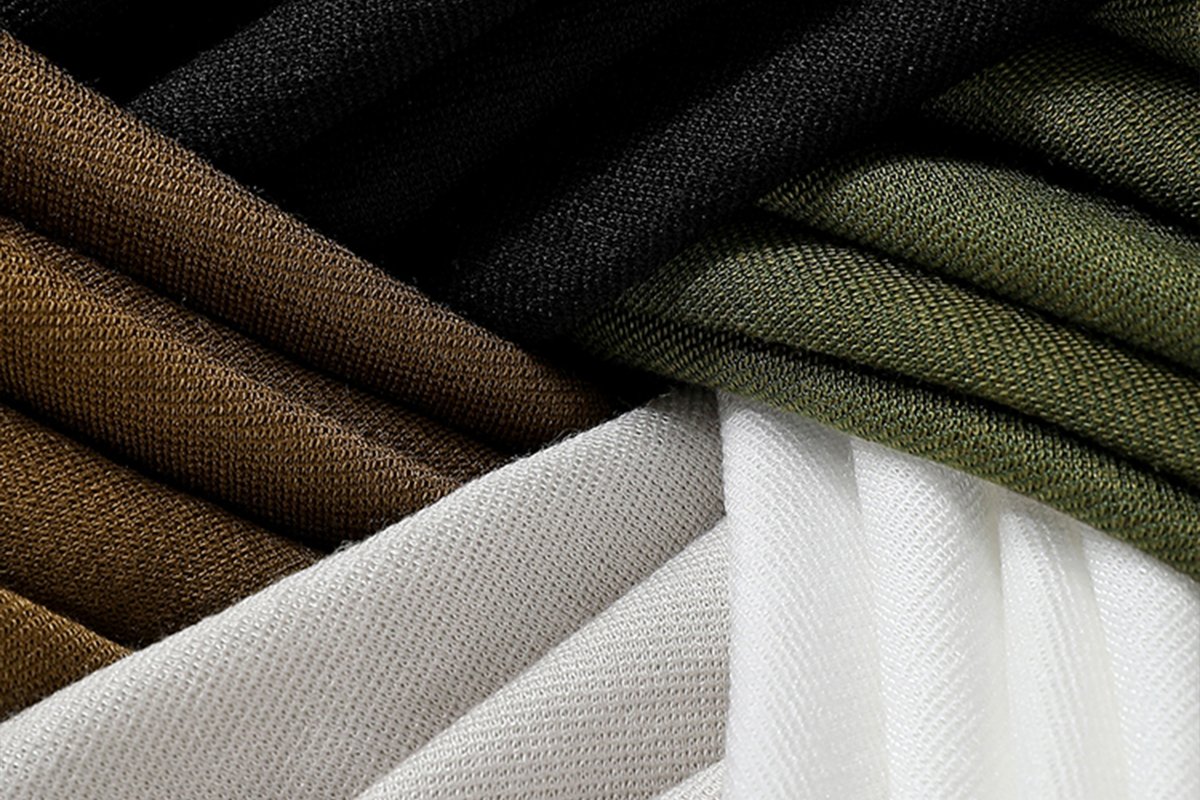
Open any streetwear forum and "heavyweight" appears in almost every recommendation. But what actually makes a hoodie or T-shirt heavyweight? Is it simply how thick the cotton feels? Not exactly.
Heavyweight clothing refers to garments made from high-density fabric measured in GSM (grams per square metre). The number tells you exactly how much a square metre of that fabric weighs — the higher the GSM, the denser, heavier and more substantial the cloth. At DOLUXE we manufacture heavyweight garments between 300 GSM and 630 GSM every day, so in this guide we explain the metric the way a factory thinks about it, plus how to judge real quality.
What Does "Heavyweight" Mean in Clothing?
There is no single legal definition of "heavyweight", but the garment industry uses agreed weight bands. A heavyweight fabric has a noticeably higher GSM than the standard for that garment type:
- T-shirts: standard everyday tees run 150–180 GSM. Heavyweight starts around 220–240 GSM, and the streetwear heavyweight segment sits at 300 GSM and above.
- Hoodies & sweatshirts: standard fleece sits around 280–320 GSM. Heavyweight starts at roughly 380 GSM, with premium boxy hoodies at 400–500 GSM and extreme pieces up to 630 GSM.
- Sweatpants, shorts & outerwear: anything above ~320 GSM in a jersey or fleece is considered heavy; workwear-style pants can reach 580–630 GSM.
So "heavyweight clothing" is really a shorthand for high-GSM apparel — garments whose fabric weight gives them structure, opacity, warmth and longevity that lighter cloth cannot offer.
GSM Explained: The Unit Behind Fabric Weight
GSM stands for grams per square metre, the universal metric for fabric weight. A fabric mill or factory measures it by cutting an exact sample (usually 100 cm²) with a round cutter, weighing it on a precision scale, and converting the result to grams per square metre.
Two fabrics can look identical in a photo yet differ enormously in GSM — and therefore in price, drape and durability. GSM is influenced by three factors working together:
- Yarn thickness (yarn count): thicker yarns add weight. Heavyweight tees commonly use 16–21 single or double yarns; super-heavy fabrics use plied or doubled yarns.
- Knit density: how tightly loops are packed. A dense jersey is heavier than a loose one even at the same yarn count.
- Knit structure: single jersey, double jersey (interlock), French terry and fleece each pack fibre differently. Fleece and French terry carry the same weight as a denser, warmer cloth.
| Weight Band | Typical Use | Feel & Character |
|---|---|---|
| 130–160 GSM | Underlayers, summer basics | Light, soft, can be sheer in light colours |
| 170–200 GSM | Everyday T-shirts, blank tees | Comfortable all-rounder, drapes close to body |
| 210–240 GSM | Midweight tees, workwear basics | More body, still soft, no transparency |
| 250–320 GSM | Entry heavyweight, structured fits | Noticeably dense, holds an oversized shape |
| 330–400 GSM | Premium heavyweight tees & hoodies | Stiff structure, heavy drape, winter weight |
| 400–500 GSM | Heavyweight hoodies, fleece, sweat sets | Thick, warm, boxy silhouettes hold perfectly |
| 580–630 GSM | Extreme-weight pants & statement pieces | Near-blanket density, rigid, very warm |
Keep this ladder in mind: a "300 GSM T-shirt" and a "300 GSM hoodie" are very different products, because the hoodie's fleece construction makes 300 GSM a midweight fabric in its category. Always compare weight within the same garment type.
The Fabrics Behind Heavyweight Apparel
Weight alone does not make a premium garment — the fibre and yarn matter just as much. In our heavyweight production we see three categories again and again:
- 100% combed cotton: the standard for heavyweight streetwear. Combed, long-staple cotton spun with a compact or Siro process removes short fibres, producing a smooth, strong yarn that resists pilling and holds a clean surface. Most 300–500 GSM tees and hoodies are built from it.
- Cotton-poly blends (CVC / poly-cotton): adding polyester improves wash stability, reduces shrinkage and lowers cost. Blends are common for budget-heavyweight blanks and performance-leaning pieces, at the cost of some natural hand-feel.
- Organic / recycled cotton: increasingly requested by EU and US brands. Organic fibres can be spun to the same GSM, but require certified supply chains — always confirm the certificate with your mill.
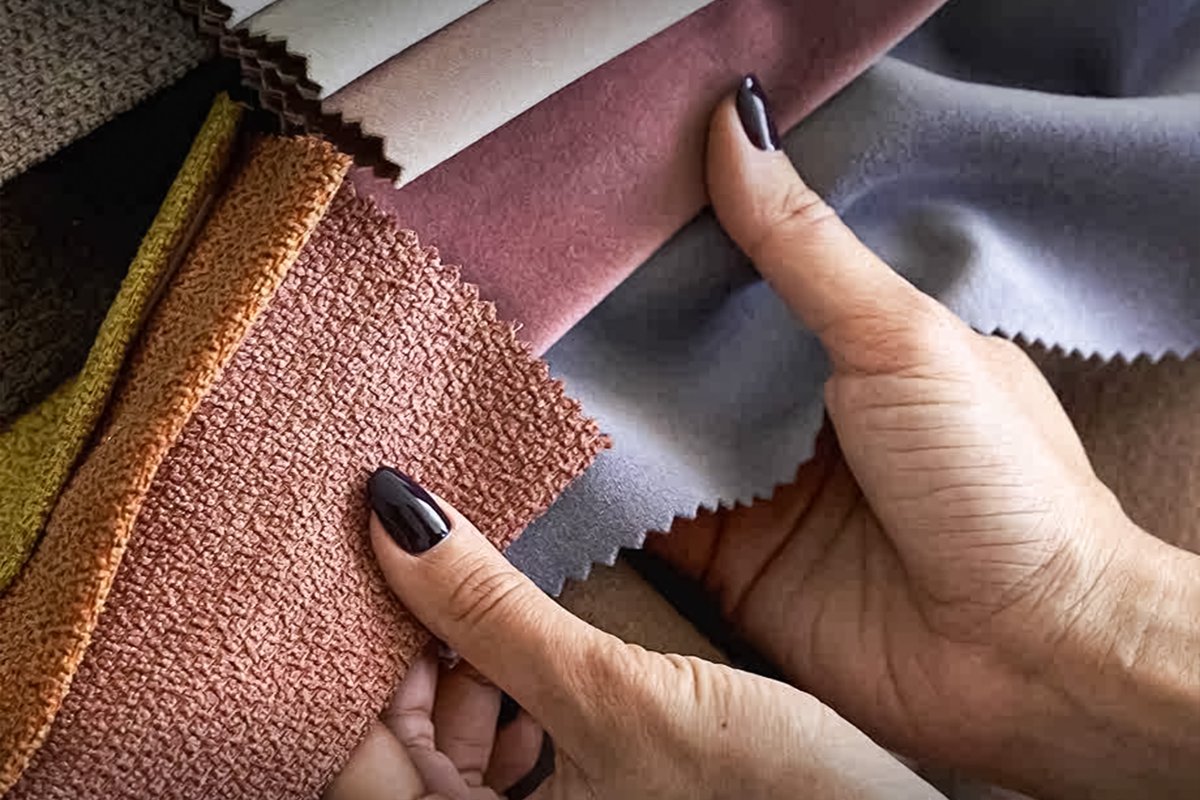
The knit structure completes the picture. Heavyweight T-shirts are usually single or double jersey; heavyweight hoodies and sweatshirts use French terry (3-end fleece) or brushed-back fleece. French terry keeps the smooth face of a jersey on the outside with looped cotton inside — it drapes better than brushed fleece and is the default for premium 400–480 GSM hoodies.
Why Choose Heavyweight Clothing?
Heavyweight apparel is popular because it changes how a garment behaves:
- Structure: dense fabric holds an oversized or boxy silhouette instead of collapsing and clinging.
- Opacity: no sheerness even in white or light shades — important for white heavyweight tees.
- Drape: heavy fabric falls in clean, deliberate lines rather than wrinkling around the body.
- Warmth: more fibre per square metre traps more air, making heavyweight hoodies genuinely cold-weather pieces.
- Durability: higher density and stronger yarns survive repeated washing without sagging collars, bagging elbows or pilling.
The trade-offs are equally real. Heavyweight fabric costs more per garment, is heavier to ship, can feel stiff before the first wash, and takes longer to dry. High GSM also makes manufacturing harder — shrinkage control, seam strength and stitching tension all need more care, which is one reason quality varies so much between factories.
How to Check Whether Clothing Is Really Heavyweight
Do not trust marketing labels. Here is how a buyer (or a brand sourcing blanks) can verify fabric weight:
- Read the care label or spec sheet: many premium blanks print GSM on the neck label or tech pack. If the number is absent, ask.
- Weigh it: a 100 cm² fabric sample on a jewellery scale gives an instant GSM reading. For a whole garment, weigh the tee and divide by its fabric area estimate — or simply ask the supplier for the mill test certificate.
- Feel and hold: pinch the fabric between two layers. Genuine 300 GSM jersey is noticeably rigid; 180 GSM folds easily and feels thin.
- Hold it to the light: a true heavyweight white tee is opaque; a light one shows silhouettes through the cloth.
- Check shrinkage behaviour: quality heavyweights are pre-shrunk and stabilised to within roughly ±2% — ask for the wash-test result, not just the GSM.
Heavyweight Clothing at DOLUXE
Heavyweight is our specialty rather than a side category. DOLUXE produces garments from 180 to 630 GSM in our two factories (Guangdong and Hubei), with a standard ladder of 300 GSM tees, 400 GSM heavyweight tees and hoodies, 500 GSM hoodies, 580 GSM sweatshirts and up to 630 GSM extreme-weight pieces. We develop fabrics in-house, control pre-shrinking, and run full OEM/ODM from tech pack to bulk with a low MOQ of 50 pieces.
If you are planning a heavyweight collection, start by reading our 180 vs 220 vs 300 GSM T-shirt comparison or the 400 vs 480 vs 500 GSM hoodie guide, then talk to our team about your target weight and fabric.
DOLUXE — Do Luxury for Your Brands