
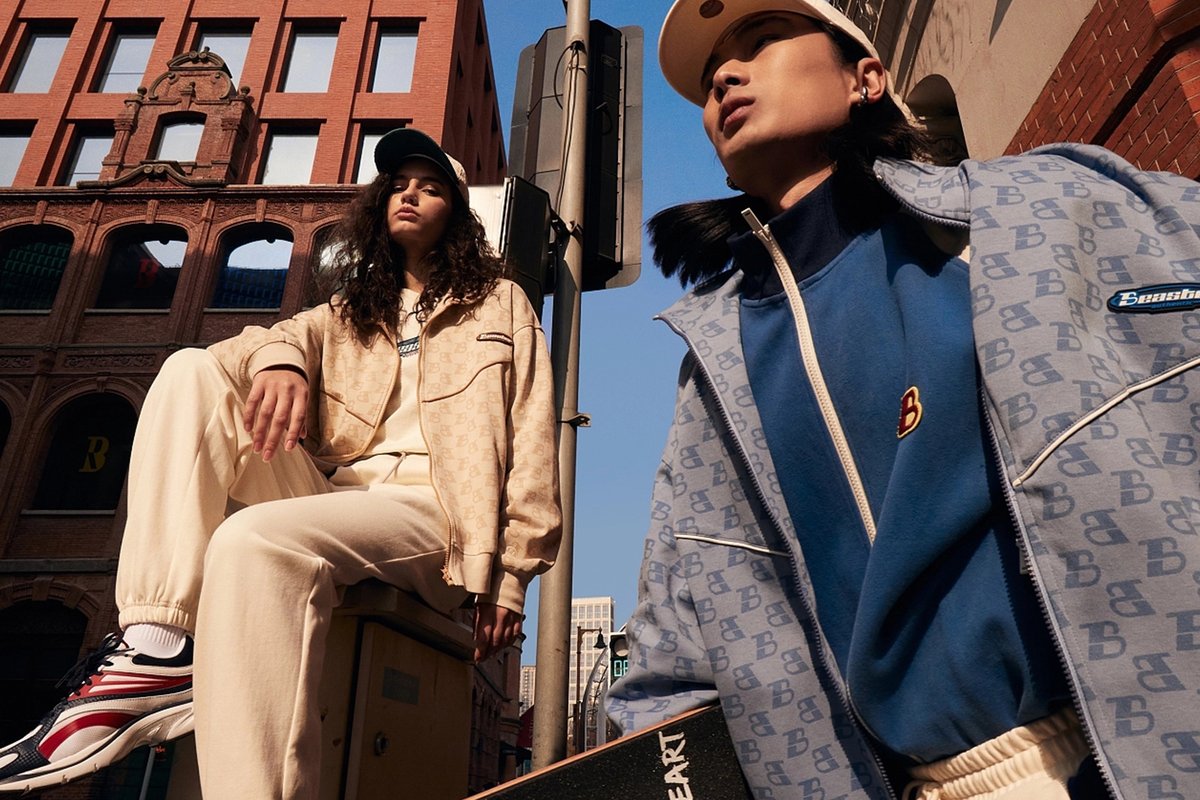
The streetwear aesthetic is not a single look — it is a spectrum of styles that share common DNA: comfort, cultural authenticity, and visual impact. From the minimalist clean-boy look to the maximalist Y2K revival, understanding different streetwear aesthetics helps brands define their visual identity and consumers articulate their personal style.
This guide breaks down the major streetwear aesthetics defining 2025, their key garments, color palettes, and how to translate them into a manufacturable product line.
The Oversized Aesthetic
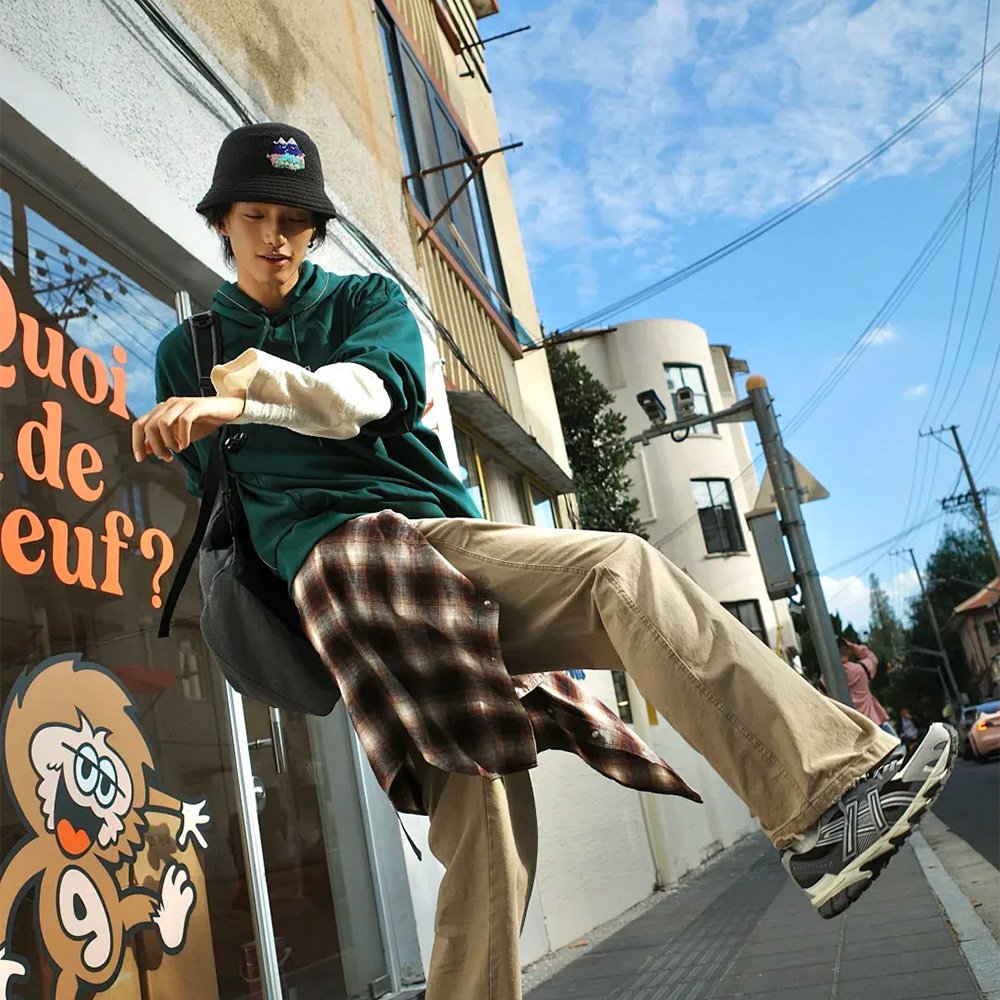
The oversized aesthetic is the dominant streetwear look of the 2020s. It draws from 90s skate culture and Japanese street fashion, characterized by boxy silhouettes, dropped shoulders, and proportions that intentionally exceed the wearer's body size.
Key elements:
- Hoodies — 400–500gsm, body length extended 2–4 inches, shoulder drop 3–6 inches
- T-shirts — Boxy fit, 240–320gsm, crew neck with slightly wider opening
- Pants — Wide-leg or straight-leg cargo pants, oversized waist with adjustable drawstring
- Color palette — Washed black, charcoal, bone, sage, faded earth tones
Manufacturing tip: Oversized garments require dedicated pattern blocks — you cannot simply grade up from a regular fit. Contact DOLUXE for oversized pattern development.
The Vintage Wash Aesthetic
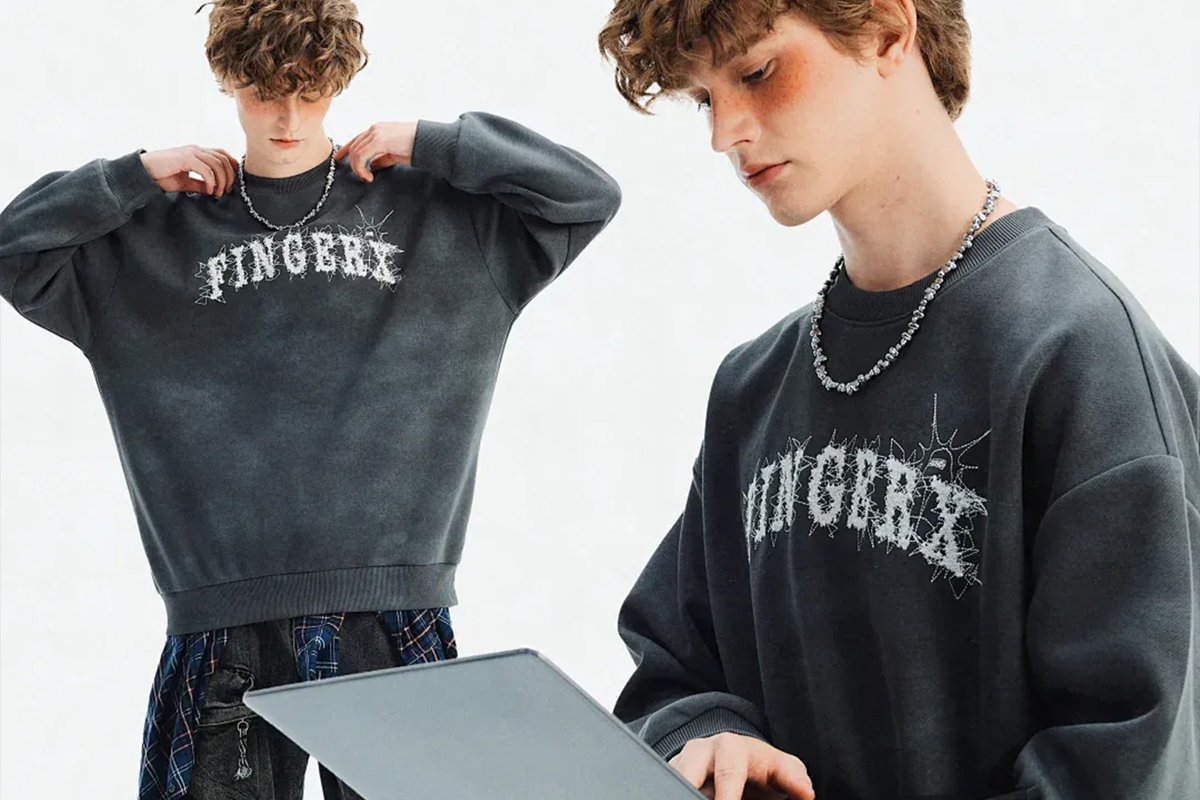
The vintage wash aesthetic focuses on creating garments that look and feel like they have been worn for years. This look is achieved through enzyme washing, acid washing, garment dyeing, and distressing techniques.
Key wash treatments:
- Enzyme wash — Softens fabric and creates subtle fading for a lived-in feel
- Acid wash — Bleach-based treatment for dramatic, irregular color variation
- Snow wash — Gentler than acid wash, creating a frosted, crystalline surface
- Stone wash — Pumice stones create natural-looking wear patterns
- Vintage dye — Garment-dyed for deep, slightly uneven color saturation
Learn more about wash techniques in our manufacturing techniques guide.
The Y2K Revival Aesthetic
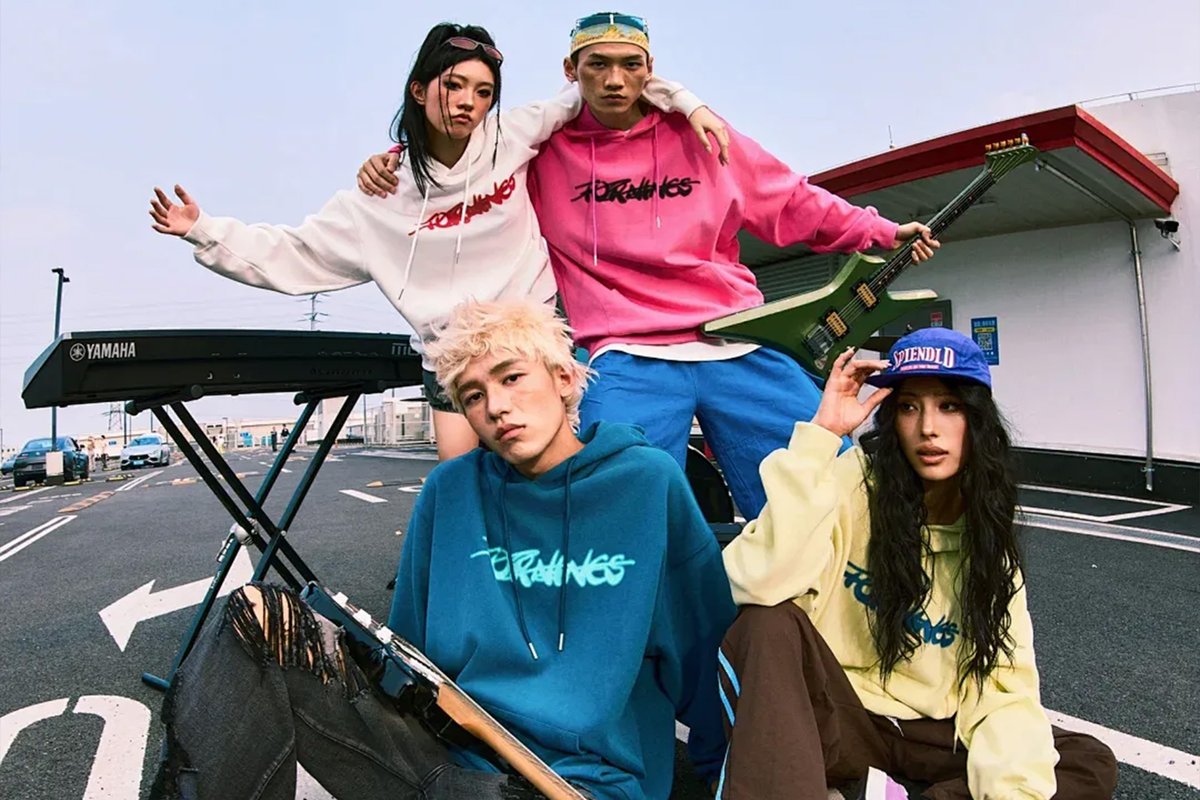
Y2K fashion — the style of the late 1990s and early 2000s — has made a massive comeback. This aesthetic is characterized by bold colors, technical fabrics, baggy silhouettes, and a playful, futuristic optimism.
Key garments:
- Baggy jeans — Wide-leg, low-rise, often with distressing or bleach stains
- Cargo pants — Multi-pocket, wide-leg, in khaki or olive
- Mesh shirts — Layered over solid tees for depth
- Tracksuits — Matching jacket and pant sets in nylon or terry
- Graphic tees — Bold, colorful prints with retro typography
Minimalist streetwear strips away graphics and logos in favor of clean lines, premium fabrics, and subtle branding. This aesthetic appeals to consumers who want the comfort and silhouette of streetwear without the visual noise.
Key elements:
- Monochrome palettes — Black, white, grey, navy, olive
- Premium fabrics — 500gsm+ heavyweight cotton, Pima cotton, organic blends
- Subtle branding — Small woven labels, tone-on-tone embroidery, embossed leather patches
- Construction focus — Visible stitching quality, clean hems, precise pattern matching
The Techwear Aesthetic
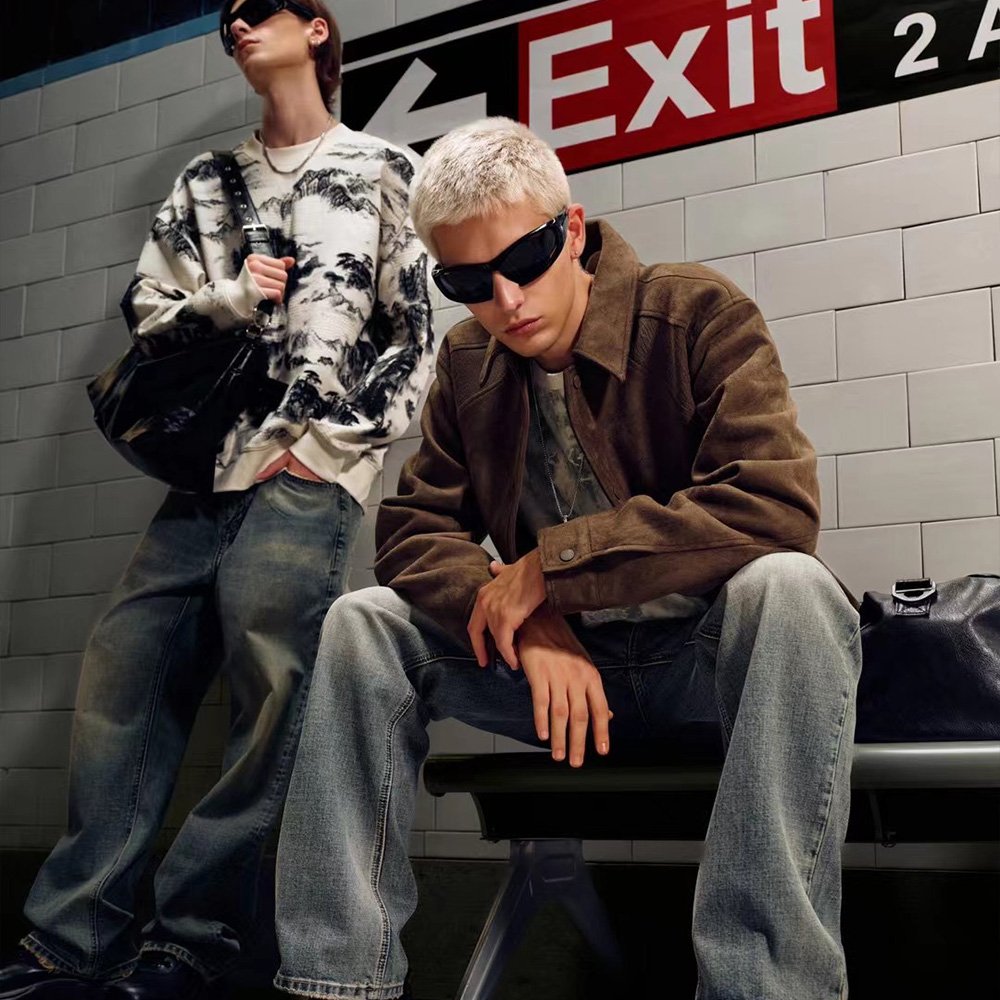
Techwear blends streetwear silhouettes with functional, performance-oriented details. This aesthetic draws inspiration from outdoor gear, military clothing, and futuristic design.
Key elements:
- Fabrics — Waterproof, breathable, ripstop, and stretch materials
- Functional details — Multiple pockets, adjustable straps, sealed seams, taped zippers
- Color palette — Black, charcoal, olive, with occasional neon accents
- Silhouettes — Ergonomic cuts, articulated knees, tapered legs
The Workwear-Inspired Aesthetic
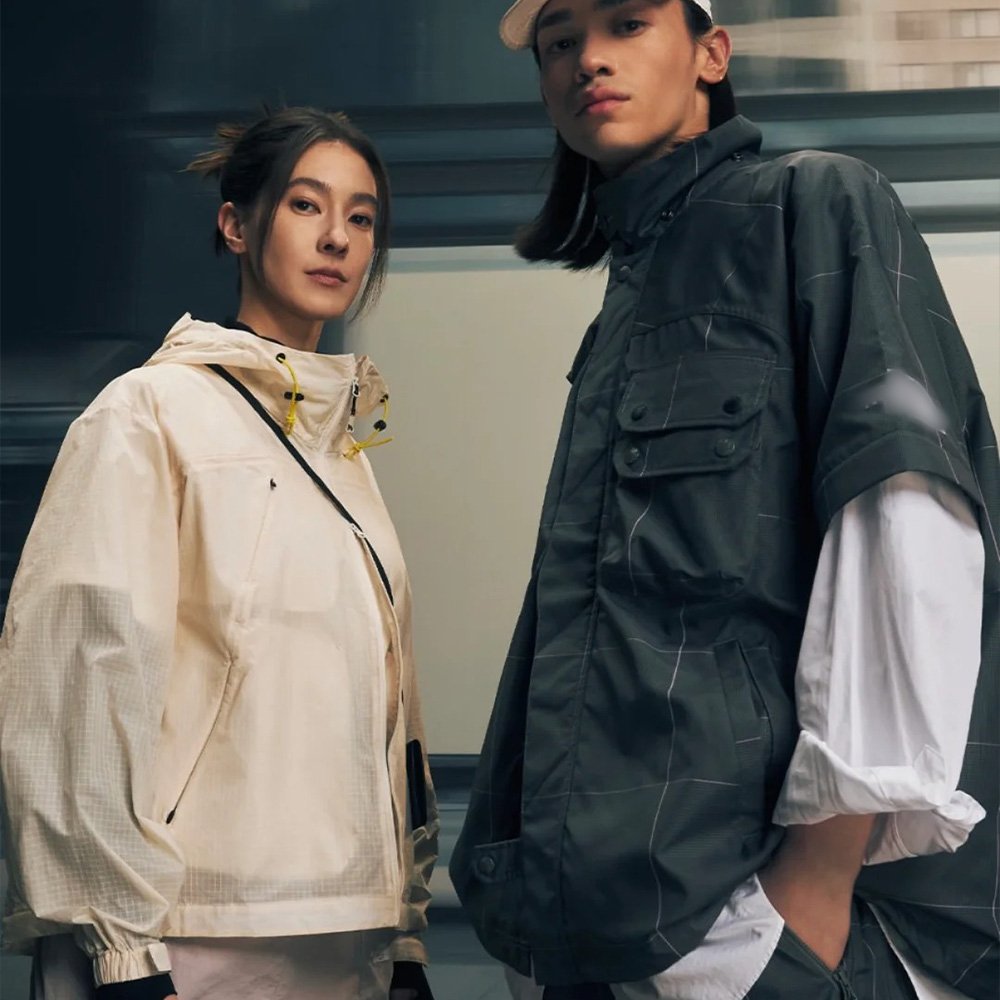
Workwear streetwear borrows from industrial and utility clothing — canvas jackets, chore coats, carpenter pants, and heavy-duty construction. The appeal lies in the durability and authenticity of garments designed for labor.
Key garments:
- Canvas jackets — Heavy cotton canvas, often with blanket lining
- Carpenter pants — Reinforced knees, tool pockets, hammer loops
- Chore coats — Box-cut, three-pocket front, durable fabric
- Work boots — Leather, steel-toe inspired, chunky soles
How to Define Your Brand's Aesthetic
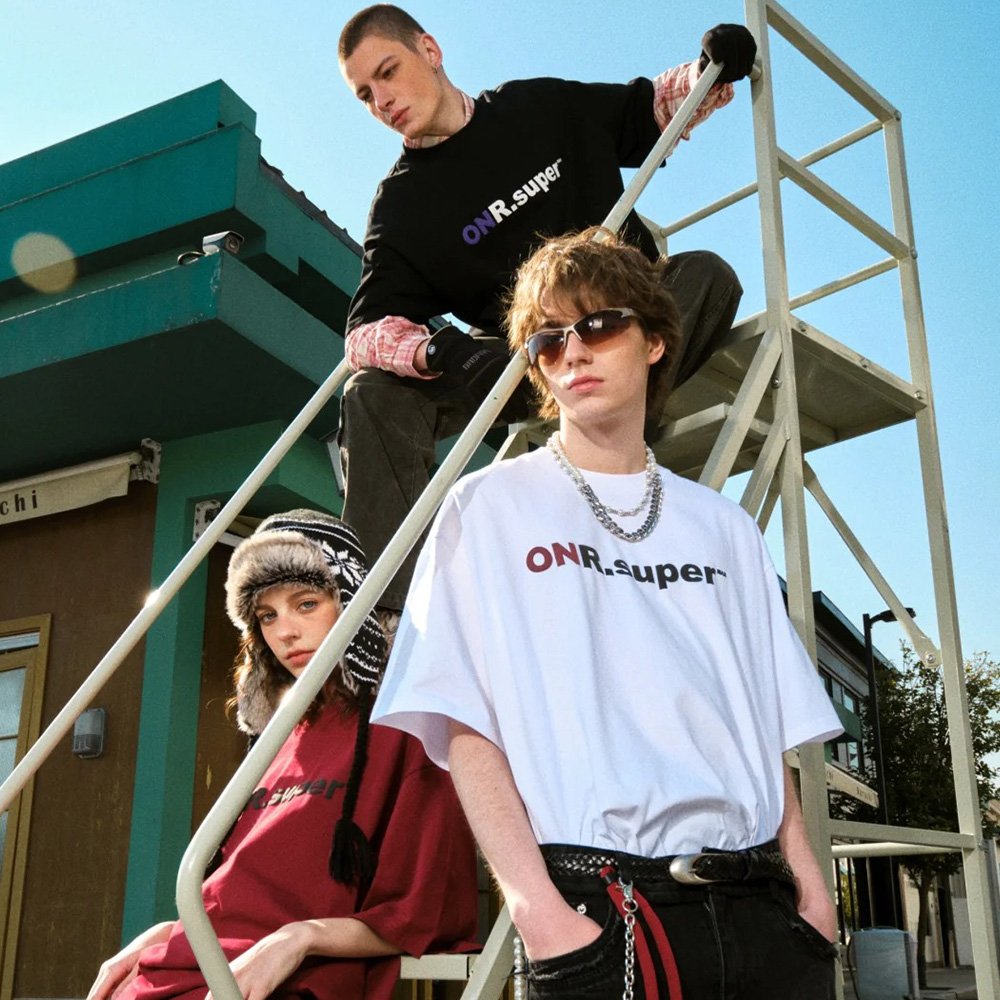
For streetwear brands, defining your aesthetic is the most important early decision. Here is a framework:
- Identify your cultural reference points — What subculture, era, or movement inspires you?
- Choose 2–3 core garments — Start with a focused product range rather than trying to cover everything
- Define your color palette — Limit to 4–6 core colors for cohesion
- Select your decoration approach — Minimal branding, bold graphics, or technique-focused (washes, embroidery)?
- Choose your fabric weight tier — Budget (280–350gsm), mid-range (350–400gsm), or premium (400gsm+)
Translating Aesthetic into Manufacturable Products
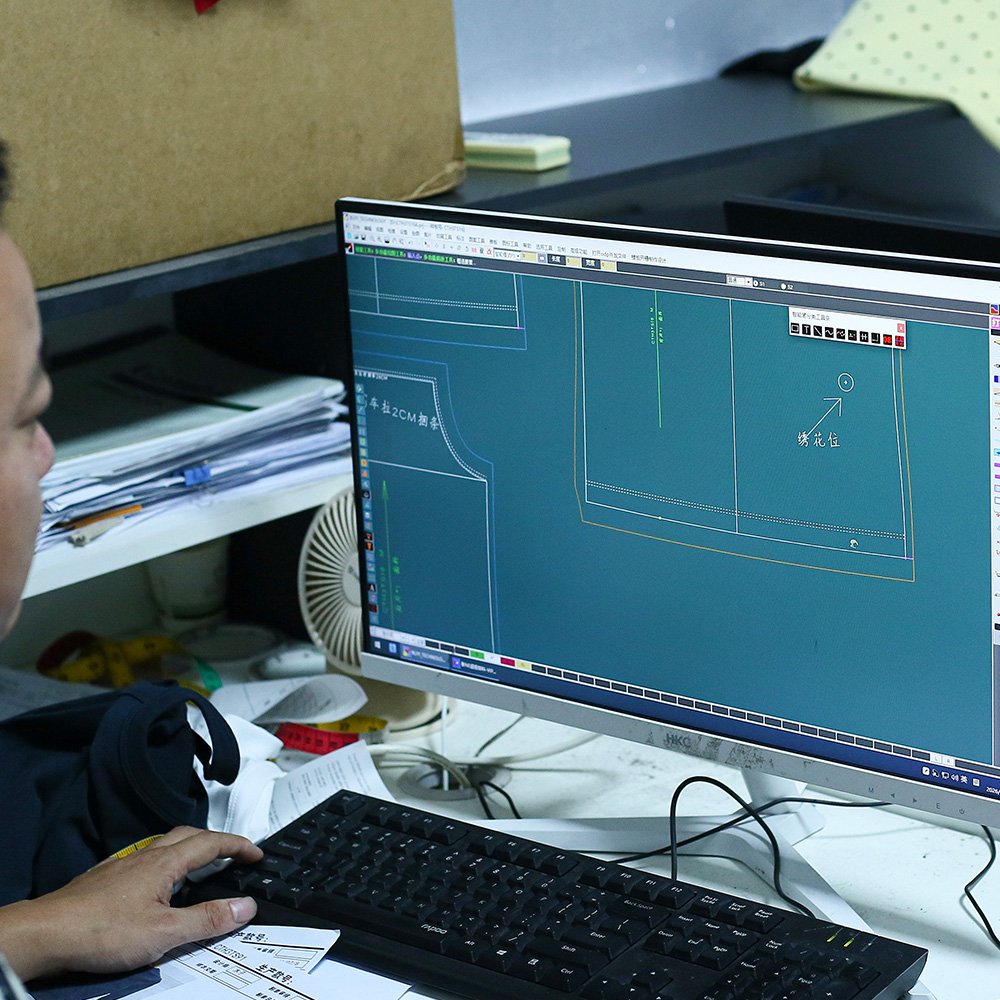
Once you have defined your aesthetic, the next step is translating it into tech packs and production specifications. Key considerations:
- Fabric sourcing — Not all factories can source 500gsm French terry or vintage-wash cotton. Verify your manufacturer's fabric library.
- Decoration capability — If your aesthetic relies on 3D embroidery or acid wash, confirm your factory has in-house capabilities.
- Pattern precision — Oversized and wide-leg silhouettes require experienced pattern makers. Poor grading ruins the look.
- Sample-to-bulk consistency — A great sample means nothing if the bulk production drifts. Work with a manufacturer that has QC processes.
DOLUXE offers full-package OEM/ODM streetwear manufacturing with in-house embroidery, printing, and wash capabilities. Start your project today.
Frequently Asked Questions
What is the streetwear aesthetic?
The streetwear aesthetic encompasses multiple styles — oversized, vintage wash, Y2K, minimalist, techwear, and workwear-inspired — all sharing comfort-first design, cultural authenticity, and visual impact as common DNA.
What is the most popular streetwear aesthetic in 2025?
The oversized aesthetic with vintage wash treatments is the dominant look. Think 500gsm hoodies with acid wash, wide-leg cargo pants, and boxy heavyweight tees in faded earth tones.
How do I choose a streetwear aesthetic for my brand?
Start by identifying your cultural reference points (skate, hip-hop, Y2K, military, etc.), choose 2–3 core garments, define a color palette, and select your decoration approach. Focus on a cohesive identity rather than trying to cover every trend.
Can I mix different streetwear aesthetics in one collection?
Yes, but maintain cohesion through a consistent color palette, fabric weight tier, and branding approach. Mixing too many aesthetics without a unifying thread makes a collection feel disjointed.
What fabric weight is best for streetwear?
For premium streetwear, 400–500gsm for hoodies and sweatshirts, 240–320gsm for t-shirts. Heavier fabrics hold their shape better and communicate quality. Explore our materials guide for more details.
Conclusion
The streetwear aesthetic is a living, evolving language — not a fixed formula. By understanding the major aesthetic categories and their construction requirements, you can make informed decisions that translate your creative vision into products that resonate with your audience.
At DOLUXE, we help brands bring their aesthetic to life through expert manufacturing. From oversized heavyweight hoodies to vintage wash cargo pants, we have the capabilities to execute your vision. Contact us to begin.
DOLUXE — Do Luxury for Your Brands