
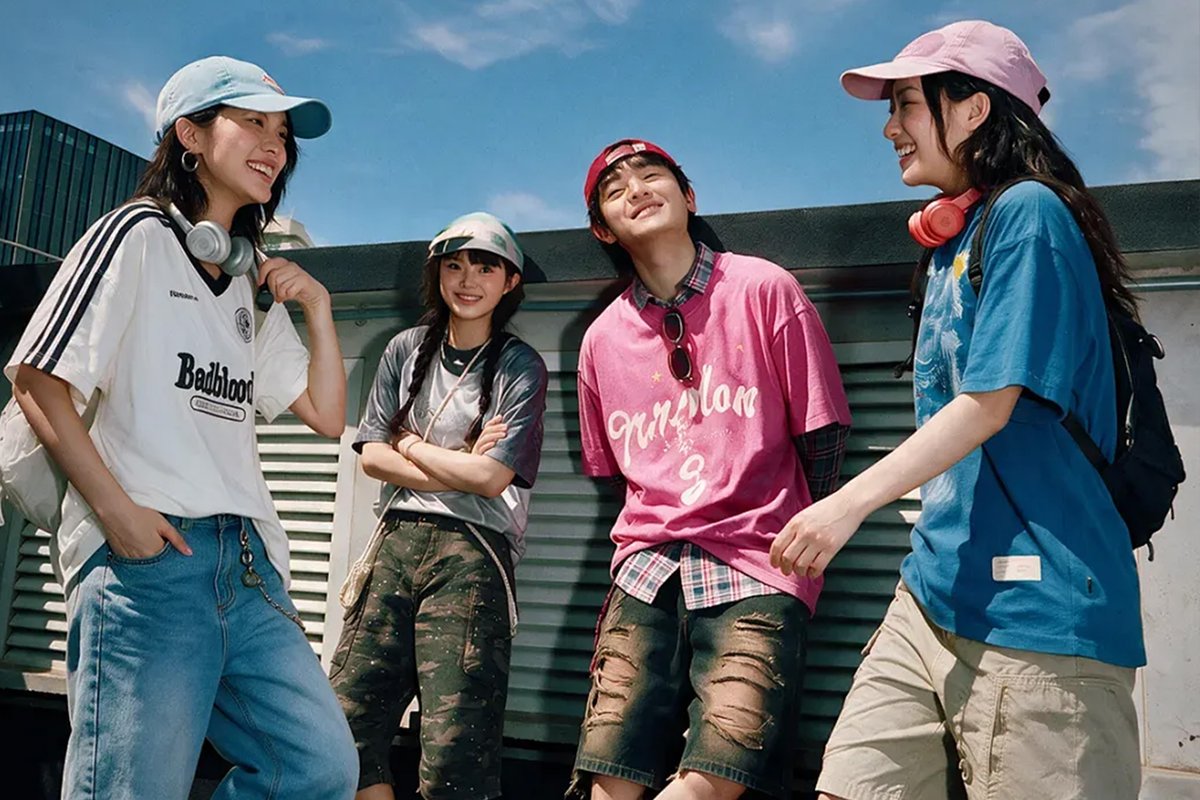
Streetwear is more than a fashion category — it is a cultural movement that has reshaped the global apparel industry over the past four decades. Born from the convergence of skate culture, hip-hop, punk, and sportswear, streetwear has evolved from underground subculture to the dominant force in contemporary fashion.
But what exactly is streetwear fashion? How did it start, what defines it today, and why has it become the fastest-growing segment in the apparel market? This guide breaks down the history, key elements, and future of streetwear fashion.
The Origins of Streetwear
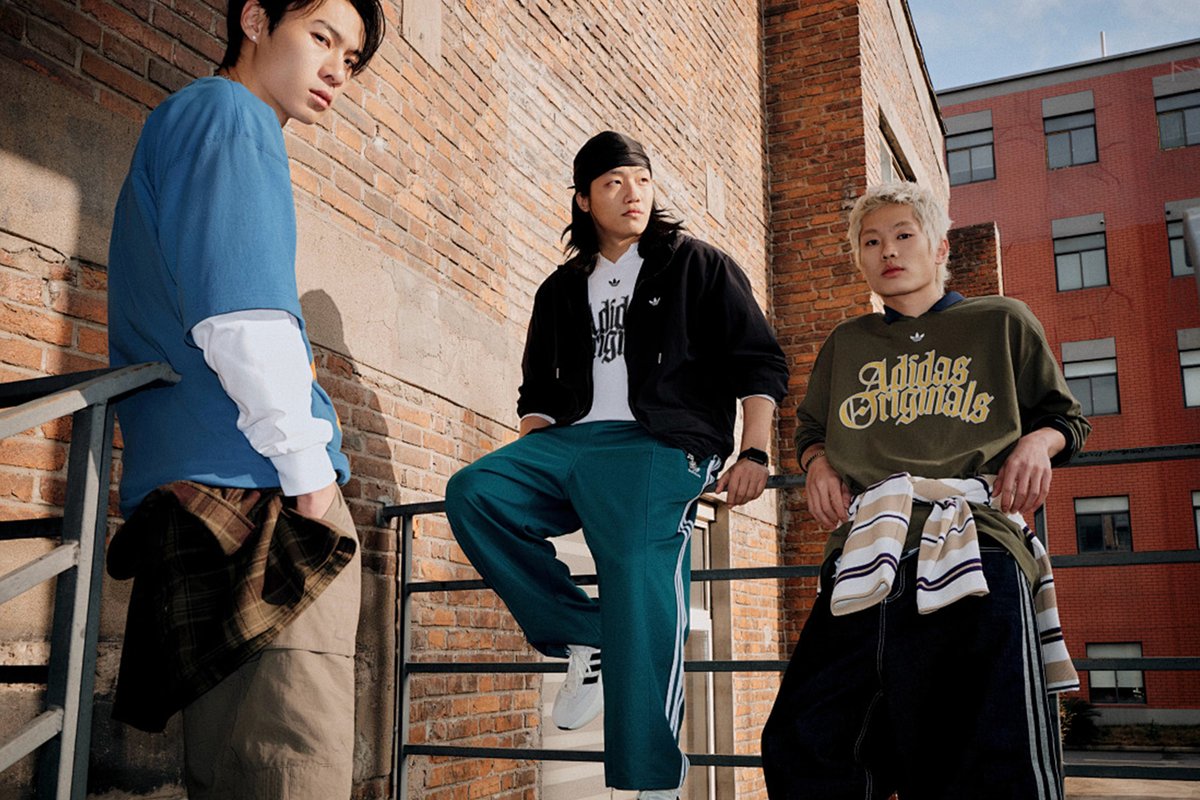
Streetwear emerged in the late 1980s and early 1990s, simultaneously in New York, Los Angeles, and Tokyo. Three subcultures contributed to its DNA:
- Skate culture — Skateboarders needed durable, comfortable clothing that could withstand falls. Brands like Stussy, which started as a surf/skate brand in Laguna Beach, became early streetwear pioneers by printing graphic tees that skaters adopted as uniform.
- Hip-hop culture — The oversized silhouettes, bold logos, and sneaker obsession of hip-hop in the 80s and 90s directly shaped streetwear aesthetics. Brands like Cross Colours and Karl Kani were among the first to cater specifically to this market.
- Japanese street fashion — In Tokyo's Harajuku district, brands like A Bathing Ape (BAPE) and Undercover created a uniquely Japanese take on streetwear that blended American influences with meticulous construction and limited-edition scarcity.
What Defines Streetwear Fashion Today?
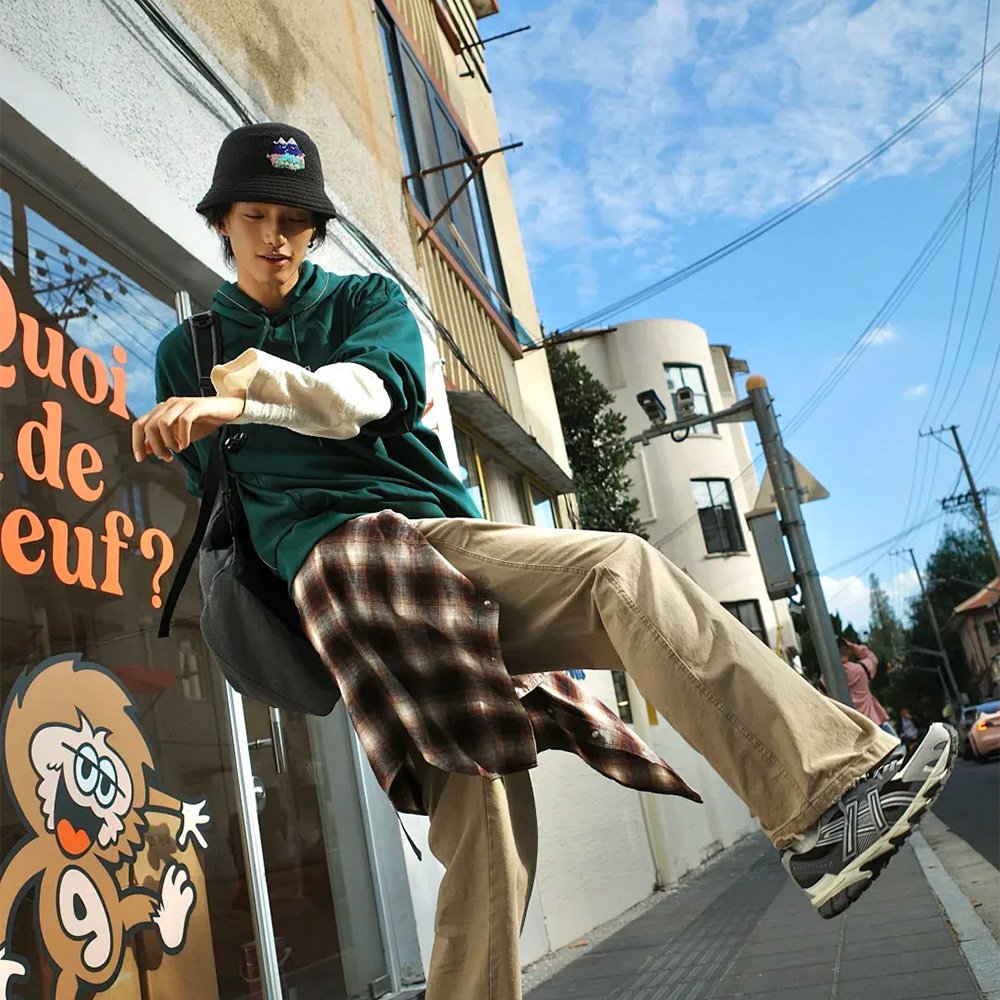
While streetwear has evolved significantly, several core characteristics remain consistent:
1. Comfort-First Design
Streetwear prioritizes comfort without sacrificing style. Oversized fits, soft fabrics (French terry, fleece, heavyweight cotton), and functional details (pockets, hoods, drawstrings) are fundamental. A streetwear garment should look good and feel effortless to wear.
2. Graphic and Logo-Driven Aesthetics
From bold screen prints to embroidered logos, visual communication is central to streetwear. Graphics often reference pop culture, music, art, or social commentary. The logo itself can be the primary design element — a concept that luxury fashion has now fully adopted.
3. Scarcity and Exclusivity
Streetwear pioneered the drop model — releasing limited quantities of product at scheduled times, creating demand through scarcity. This approach has been adopted by luxury houses and is now a standard marketing strategy across fashion.
4. Cultural Authenticity
Streetwear values authenticity over polish. Brands that emerge from real communities — skate, music, art — carry credibility that traditional fashion houses cannot manufacture. This is why collaborations between streetwear brands and artists, musicians, and athletes are so powerful.
5. Collaboration Culture
Collaboration is baked into streetwear's DNA. From sneaker collaborations to apparel crossovers, the streetwear model thrives on bringing together unexpected partners to create something neither could achieve alone. Explore our streetwear applications page for more on brand collaborations.
The Key Garments of Streetwear
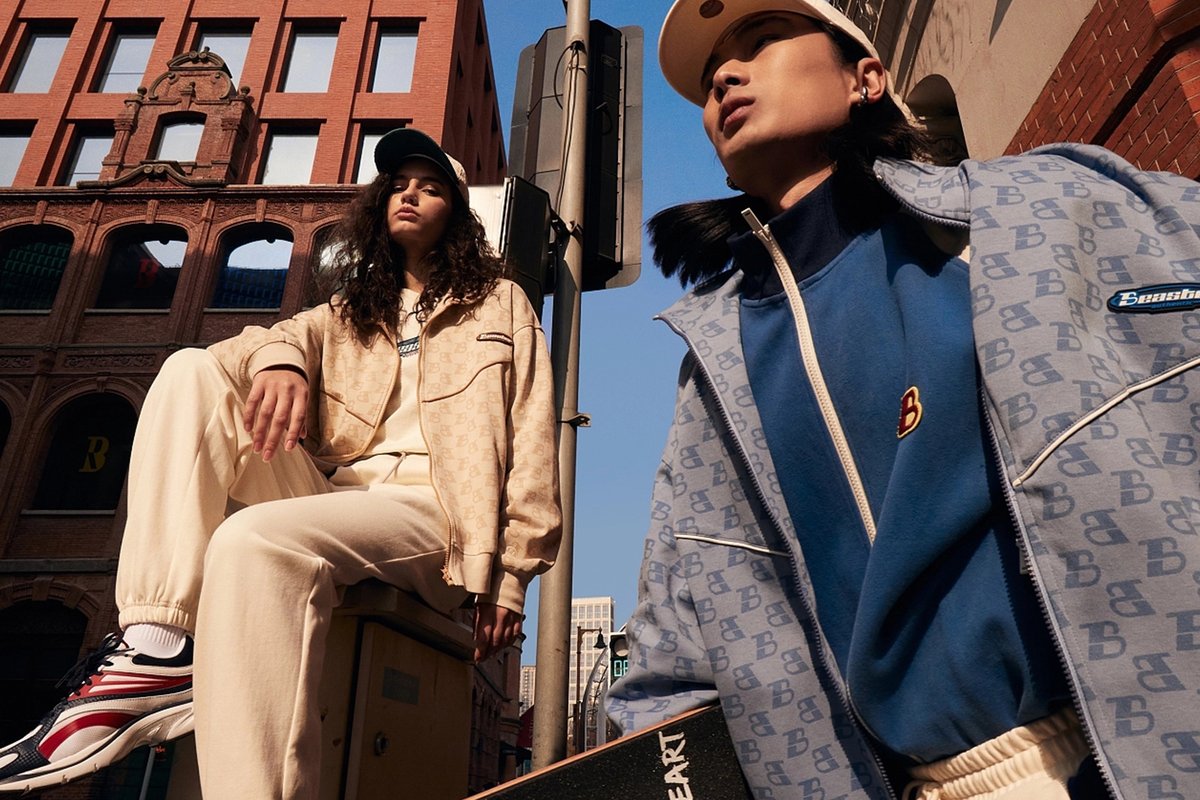
Streetwear is not defined by a single garment but by a wardrobe of essential pieces:
- Hoodies — The cornerstone. Oversized, heavyweight, often embroidered or printed. View our custom hoodies.
- T-shirts — Heavyweight cotton tees (200–320gsm) with graphic prints or minimalist branding. View our custom t-shirts.
- Cargo pants — Functional, multi-pocket pants in cotton or ripstop. Vintage wash and distressed finishes are popular. View our cargo pants.
- Sweatpants and joggers — Fitted or tapered sweatpants that bridge comfort and style. View our sweatpants.
- Sweatshirts — Crewneck sweaters in heavyweight fleece. View our sweatshirts.
- Denim and jeans — Distressed, baggy, or vintage wash. View our jeans.
- Jackets — Bomber, varsity, and coach jackets. View our jackets.
How Streetwear Differs from Other Fashion Categories
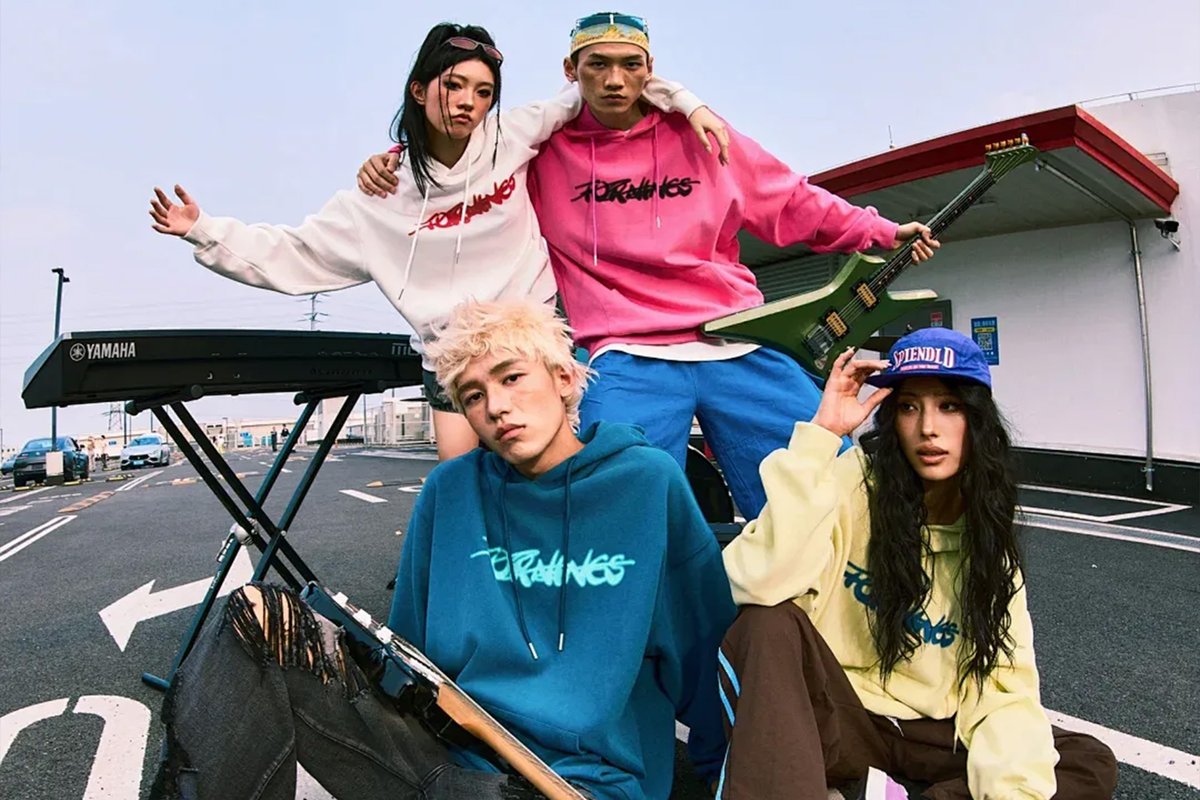
| Aspect | Streetwear | Traditional Fashion |
|---|---|---|
| Design cycle | Drops, limited editions | Seasonal collections |
| Distribution | Direct-to-consumer, online | Wholesale, boutiques |
| Pricing | Accessible to premium | Mid to luxury |
| Marketing | Community, social media, influencers | Print, runway, editorial |
| Production | OEM/ODM with low MOQ | Large-scale factory production |
The Evolution of Streetwear Aesthetics
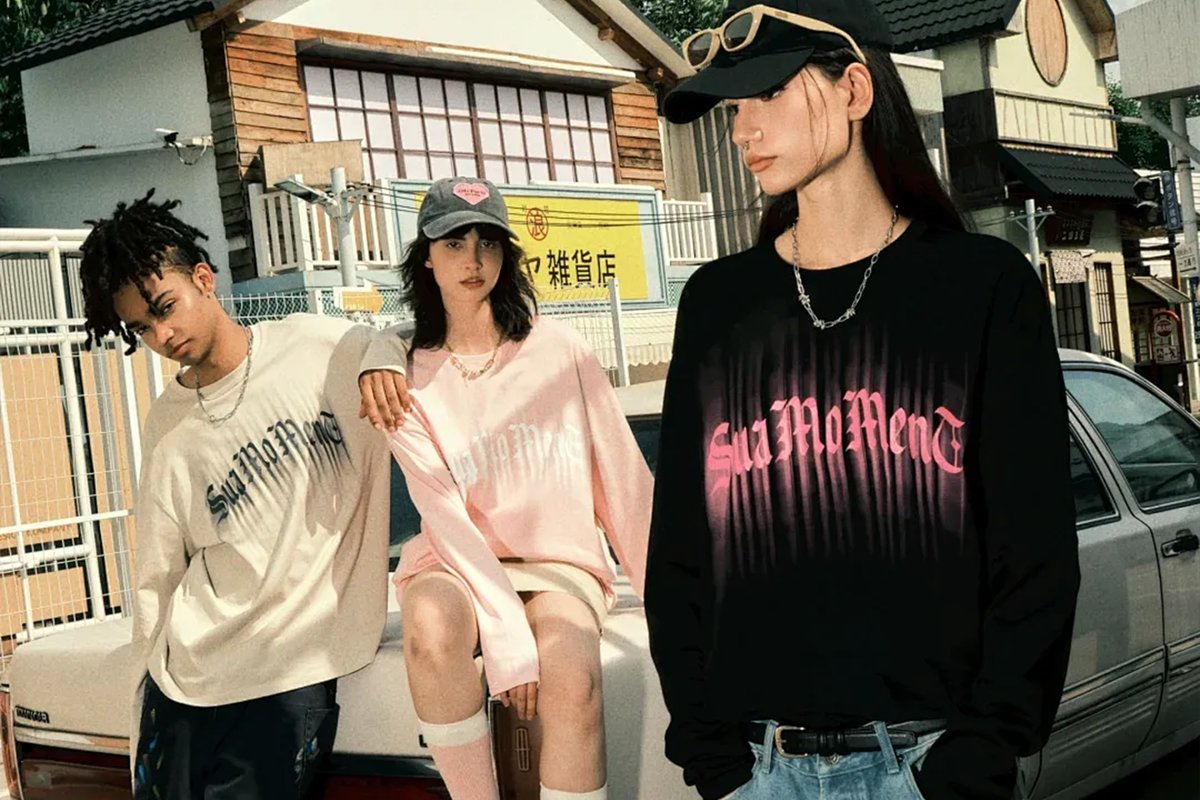
Streetwear has gone through several aesthetic phases, each reflecting the cultural moment:
- 90s skate and surf — Baggy tees, cargo shorts, graphic prints, vibrant colors
- 2000s bling era — Oversized everything, logo mania, velour tracksuits, baggy jeans
- 2010s minimalism — Clean palettes, subtle branding, premium fabrics, slim silhouettes
- 2020s oversized revival — Wide-leg pants, boxy tees, 500gsm+ hoodies, vintage washes, Y2K nostalgia
For a deeper dive into style trends, read our guide on streetwear manufacturing techniques.
Why Streetwear Manufacturing Matters
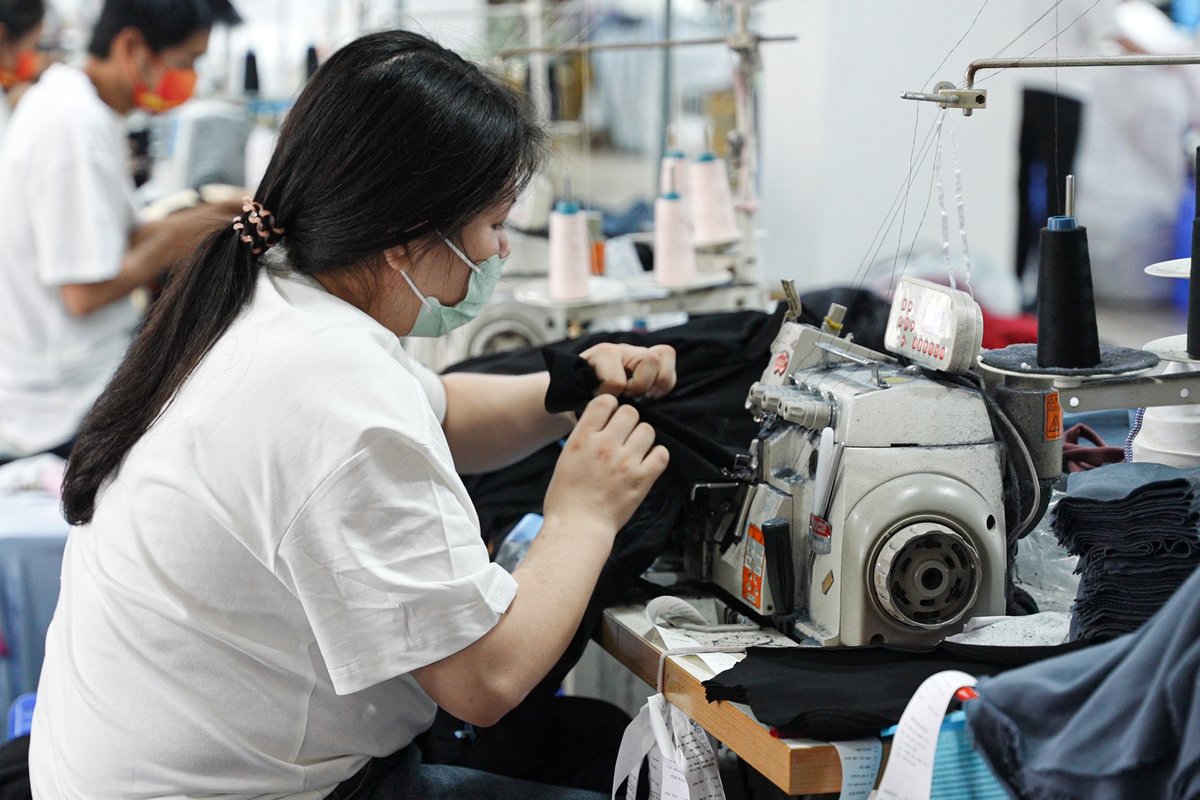
The quality of streetwear is determined not just by design but by manufacturing. Fabric weight, stitching density, decoration precision, and wash consistency all affect how a garment looks, feels, and wears over time.
Working with an experienced OEM/ODM streetwear manufacturer ensures that your designs are executed with the quality your brand needs to stand out. Key manufacturing considerations include:
- Fabric sourcing — Access to heavyweight French terry, vintage-wash cotton, and specialty blends
- Decoration capabilities — In-house embroidery, screen printing, DTG, and wash treatments
- Pattern and fit — Precise grading for consistent sizing across production runs
- Low MOQ — Ability to test products with small runs before scaling
The Global Streetwear Market in 2025
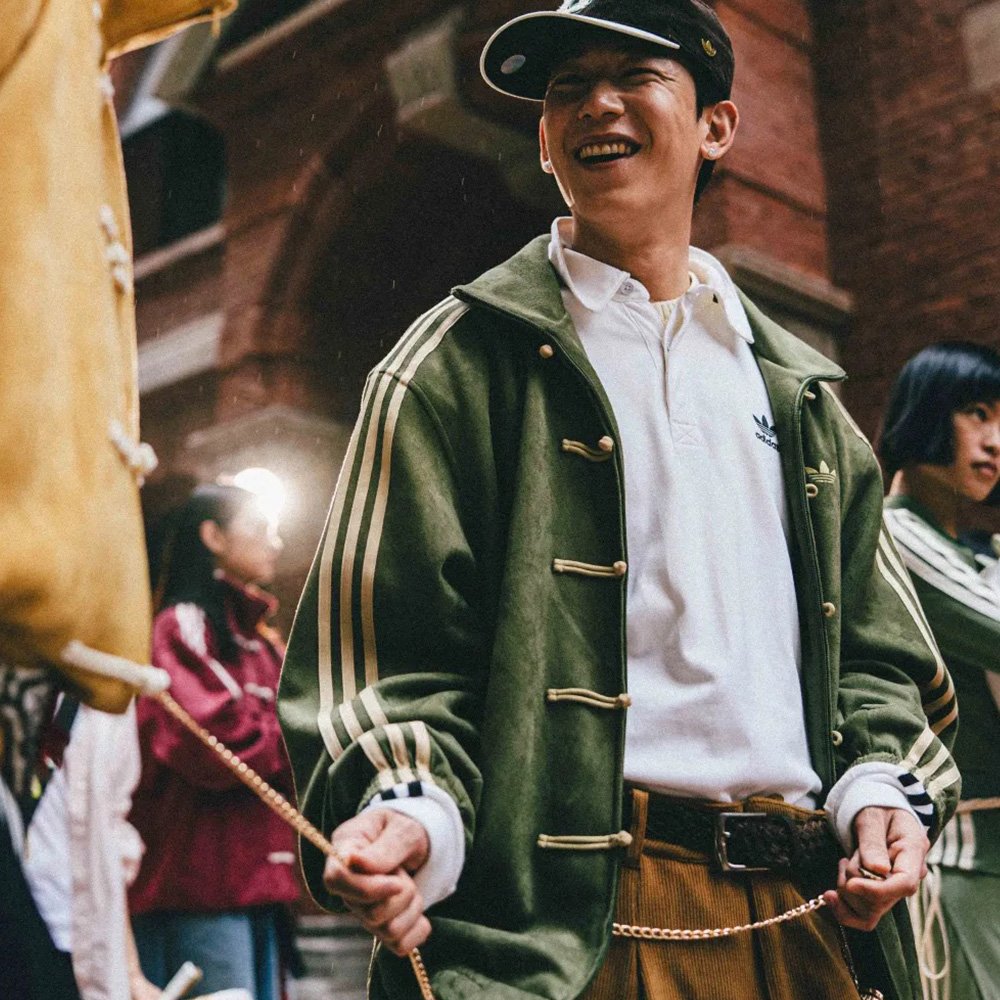
The global streetwear market is projected to reach $300 billion by 2025, growing at a CAGR of 8–10%. Key drivers include:
- Rising disposable income in emerging markets (Southeast Asia, Latin America, Africa)
- The continued influence of social media and celebrity culture
- Increasing acceptance of casual dress codes in professional settings
- The growth of direct-to-consumer brands with low overhead
- Sustainability concerns driving demand for quality over quantity
Frequently Asked Questions
What is streetwear fashion?
Streetwear is a fashion style rooted in skate, hip-hop, and youth culture, characterized by comfortable silhouettes, graphic aesthetics, limited-edition drops, and cultural authenticity. It has evolved from underground subculture to a dominant global fashion category.
How did streetwear start?
Streetwear emerged in the late 1980s from the convergence of California skate/surf culture, New York hip-hop, and Tokyo's Harajuku fashion scene. Brands like Stussy, Supreme, and BAPE were early pioneers.
What is the difference between streetwear and casual wear?
Casual wear is a broad category of everyday clothing. Streetwear is a specific subset of casual wear defined by its cultural roots, graphic-driven aesthetics, drop-based distribution model, and emphasis on scarcity and collaboration.
Is streetwear still popular in 2025?
Yes. Streetwear continues to grow as a market segment, with oversized silhouettes, heavyweight fabrics, and vintage washes dominating current trends. The aesthetic has also been adopted by luxury fashion houses, blurring the line between streetwear and luxury.
How do I start a streetwear brand?
Start by defining your brand identity and target audience. Develop a small capsule collection (5–10 pieces) with a manufacturer that offers low MOQ. Focus on quality fabrics and precise decoration. Build your community through social media before scaling production. Contact DOLUXE to learn about our OEM/ODM services for emerging brands.
Conclusion
Streetwear is not a trend — it is a cultural phenomenon that has permanently reshaped how fashion is designed, produced, and consumed. Understanding its history, aesthetics, and manufacturing requirements is essential for any brand operating in this space.
At DOLUXE, we have been manufacturing streetwear for over 15 years. Our full-package OEM/ODM service covers everything from design to decoration to global shipping. Start your streetwear project with a manufacturer who understands the culture.
DOLUXE — Do Luxury for Your Brands