
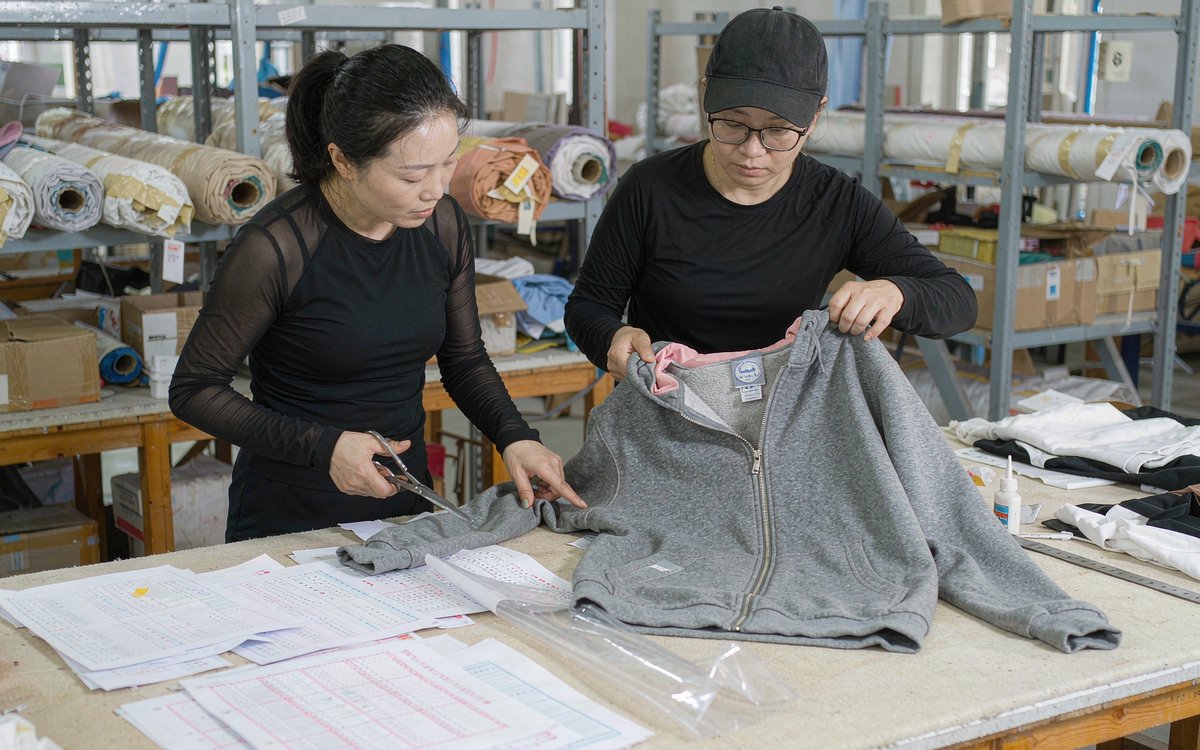
Short answer: choose a manufacturing partner the way you'd choose any long-term business partner — on category expertise, communication quality, and how they behave when something goes wrong. Price is a filter, not a criterion. This article is not about where to find factories (any search engine solves that in an afternoon). It's about the decision that comes after: which one of them deserves the next three years of your brand.
A confession before we start: we are a manufacturer, so read this with appropriate skepticism. But it's also written from nineteen years of watching brands arrive at our door after the previous factory failed them. The post-mortems are remarkably consistent, and they almost never start with price. They start with one of the five things below.
1. Get honest about your production needs first
Before you can evaluate a factory, you need to know what you're actually asking for. Sounds obvious. Half the inquiries we receive can't answer these:
- What category are you in, really? "Streetwear" is a style. "480gsm brushed fleece hoodies with puff print and garment wash" is a production need. The factory that's perfect for the first sentence may be useless for the second.
- What's your realistic volume — now and in eighteen months? If you'll order 100 pieces this year and possibly 2,000 next year, you need a partner whose minimums work at 100 and whose capacity won't choke at 2,000. Both ends matter.
- How much development help do you need? Full tech packs in hand? You need an OEM executor. Reference images and a strong concept but no technical skills? You need ODM development support. Confusing these two is how brands end up frustrated with factories that were never the right type to begin with.
Write your answers down. They become the scorecard for every conversation that follows.
2. Check capability with evidence, not adjectives
Every factory's website says "high quality, many years experience, advanced equipment." All of it is free to write. What costs something is evidence:
- Category proof. Ask for photos of production similar to your product — not their showroom samples, their actual line output. A factory deep in heavyweight fleece will show you fifty hoodie photos without blinking. A generalist will show you a catalog of everything, which means depth in nothing.
- Process answers. Ask how they handle a specific technical detail of your product — say, how they prevent print cracking on fleece, or how they control shrinkage on garment-washed styles. Experts answer instantly with specifics. Pretenders answer with reassurance.
- Verifiable scale. Monthly capacity claims are the most inflated numbers in this industry. A video call walking the floor, third-party audit reports, or a small test order will tell you more than any figure in an email.
3. Evaluate communication like it's part of the product — because it is
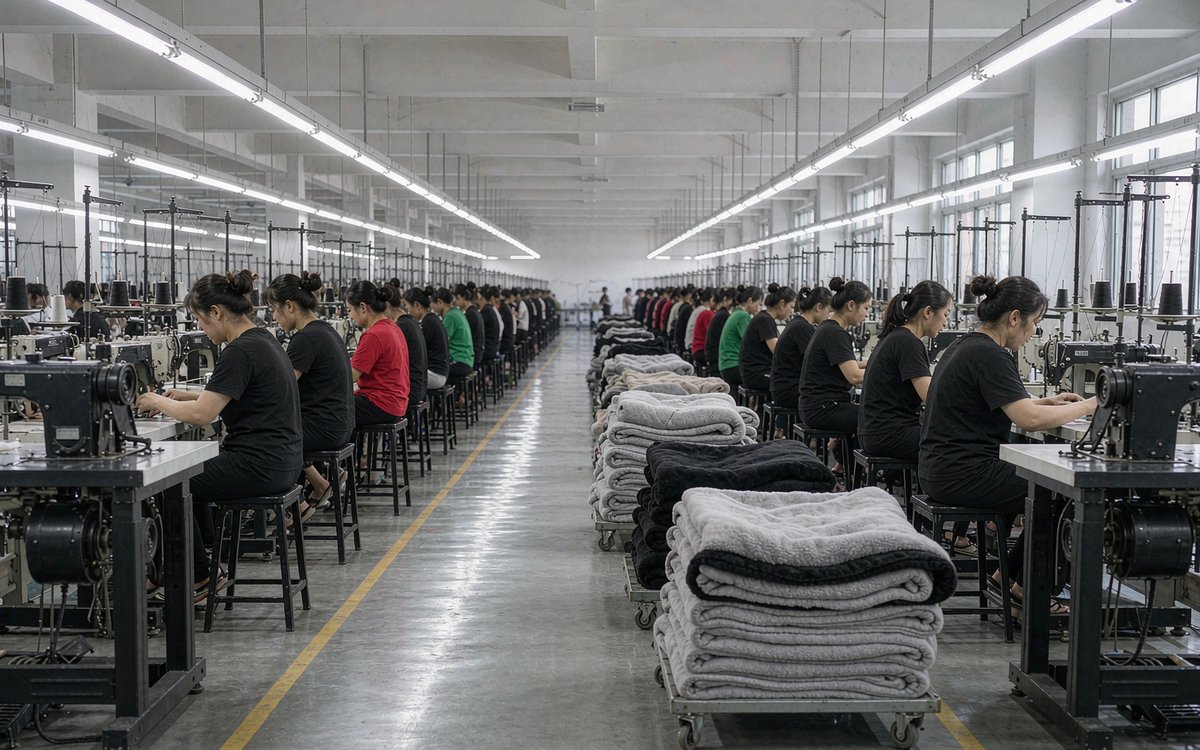
Here's something brands learn the hard way: you don't experience a factory's quality once per order. You experience their communication every single day of the order.
Test it during sampling, deliberately. Note how fast they answer, but more importantly, how they answer. Do they ask clarifying questions about your spec, or just say "ok can do"? When you send a vague request, do they come back with three interpretations to confirm, or silently pick one? When you ask something difficult — a tighter tolerance, an unusual construction — do they engage with the problem or deflect it?
And the single most underrated signal: does this factory ever say no to you? A partner who tells you "that embroidery density will pucker this fabric, here's what we'd change" is protecting your product and your money. A factory that agrees with everything will manufacture your mistake at full price and let you discover it when the cartons open. Disagreement before production is free. Agreement before production can cost you the order.
4. Look beyond the unit price — to the whole relationship
We covered price-vs-value in detail elsewhere, so the short version: a quote is not a number, it's a specification wearing a number. Compare what fabric, what yarn, what print method, what finishing, what QC, and what packaging each quote actually includes before comparing the totals.
But for a long-term partner, look at the things that never appear on a quote at all:
- Do they flag problems early? Fabric delays, machine breakdowns, holiday congestion — every factory hits these. Partners tell you the day they know. Order-takers tell you the week of your ship date.
- How do they handle mistakes? Not whether mistakes happen — they happen everywhere. When a batch comes back wrong, does the factory investigate and own it, or explain why it's somehow your spec's fault? You won't truly know until it happens, which is one more reason the first order should be small.
- Do they invest in the relationship? Reorder speed, fabric continuity between batches, keeping your patterns and stamps organized, remembering your preferences without re-explaining. These are the compounding returns of a long-term partner, and they're invisible until year two.
5. Build the partnership deliberately — it doesn't build itself
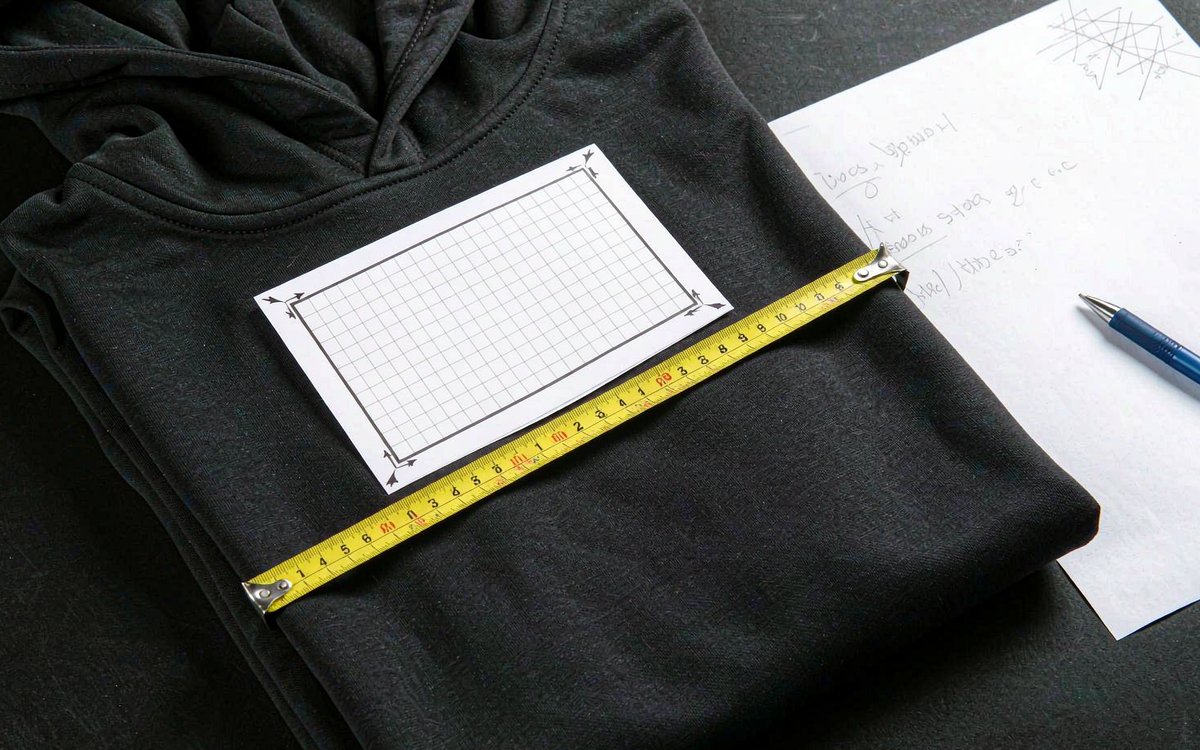
Even the right factory becomes the wrong one if you treat the relationship as a series of one-night stands. A few habits that separate brands factories fight to keep from brands they tolerate:
- Pay on time, every time. Nothing buys goodwill and priority scheduling like being the client who never has to be chased. Nothing erodes it faster than the opposite.
- Share your roadmap. A factory that knows your drop calendar for the next two quarters can reserve capacity, pre-position fabric, and hit your dates. One that hears about each order the week you need it will keep disappointing you, and it'll be partly your fault.
- Consolidate before you diversify. One deep relationship beats three shallow ones until your volume genuinely demands a second source. Splitting small orders across factories gets you nobody's attention, nobody's best price, and three times the communication overhead.
- Visit if you can, video-call if you can't. An hour on a factory floor teaches you more than a year of emails. And factories notice who bothers.
The framing shift that matters: you're not hiring a vendor to execute transactions. You're choosing a product development partner whose expertise compounds into your products over years. The brands that understand this end up with factories that call them when a new fabric arrives that suits their line. The brands that don't keep switching suppliers every two seasons and wondering why nothing improves.
Frequently asked questions
Should I work with one manufacturer or several?
One, until your volume genuinely can't be served by one — which for most brands is years away. Splitting small orders across factories means you're a small client everywhere: worst pricing, worst priority, inconsistent quality standards. Concentrate, build depth, and add a second source only when a single point of failure becomes a real business risk.
How long should I test a factory before committing to bigger orders?
Two orders minimum: one sample development cycle and one small bulk run. The sample shows you their development skill and communication. The small bulk run shows you their production consistency and — most revealing — how they handle the inevitable minor problems. Only scale after both go acceptably. Nobody's perfect; you're evaluating how they behave, not whether they're flawless.
Is the cheapest quote ever the right choice?
Occasionally — usually when a factory is strategically pricing to win a new client in a category they know well. But you can only tell by comparing specifications line by line, not totals. If a quote is 30% below the others with an identical spec, be more suspicious, not less. The saving has to come from somewhere, and it's usually the garment.
What's a red flag that should end a factory relationship?
Quality drift on reorders is the big one: the first order was great, and each subsequent one quietly loosens — thinner fabric hand, sloppier stitching, prints slightly off. It usually means your order has been deprioritized or subcontracted. One honest conversation can fix it. If the drift continues after that conversation, leave. Loyalty to a declining supplier is just slow-motion brand damage.
Do I need a contract with my manufacturer?
Yes, and it doesn't need to be intimidating. At minimum: product specs, quality standards and tolerances, delivery dates, payment terms, and what happens when things go wrong (remake, discount, or refund). Add IP and confidentiality terms if your designs matter to you. A factory that resists putting basics in writing is telling you something important about how they'll handle disputes later.
Conclusion
Finding factories is a search problem, and search problems are easy. Choosing a manufacturing partner is a judgment problem — about evidence over adjectives, communication over promises, and long-term behavior over first-order pricing.
The five filters above won't guarantee you pick perfectly. They will guarantee you pick deliberately, test cheaply, and scale only with evidence. And if your scorecard includes heavyweight streetwear, development support from reference to production, and a factory that will argue with you when your spec needs it — you know where to find us.