
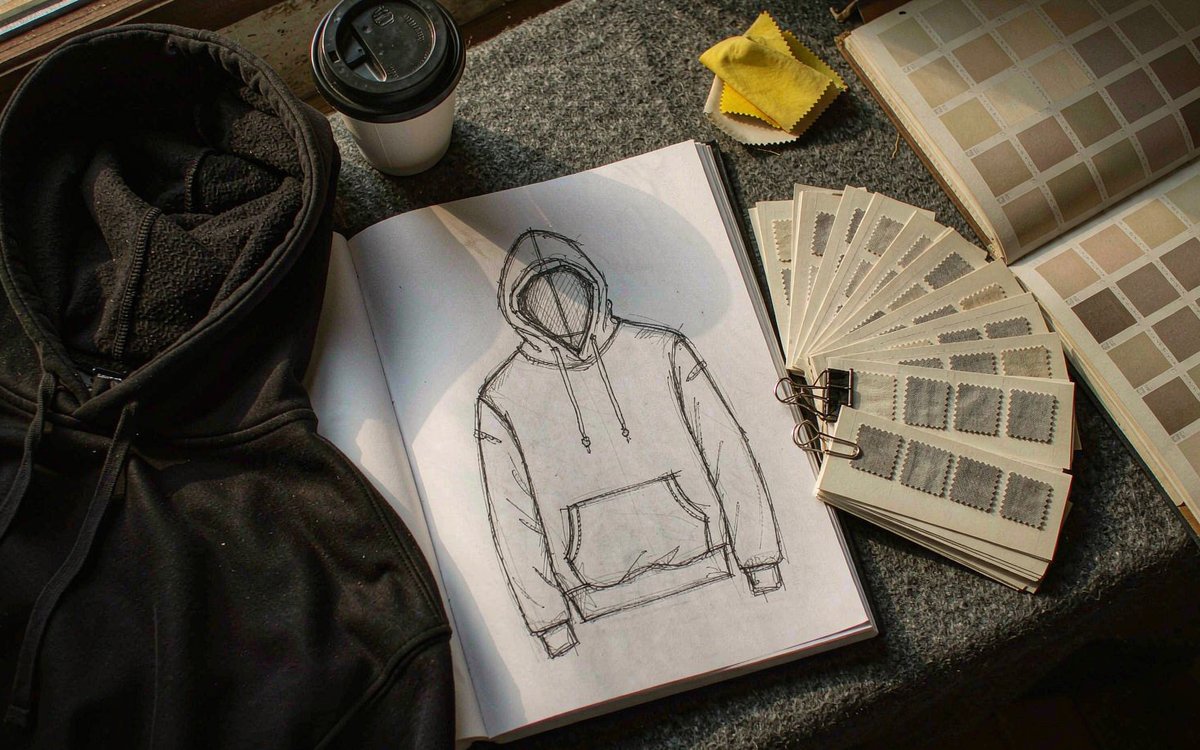
Short answer: you start a streetwear brand in 2026 the same way good brands have always started — a clear point of view, a small first collection, a manufacturer you can actually talk to, and a test run before you bet real money. The tools changed (AI design, TikTok marketing, low-MOQ factories). The sequence didn't. This guide walks through that sequence in the order we wish every new client followed before they email us.
One disclosure up front: we're a streetwear manufacturer in Dongguan, China. Since 2007 we've watched hundreds of brands launch — some are on their thirtieth reorder with us, some disappeared after one production run. The difference was almost never talent or budget. It was the order they did things in.
1. Define your brand identity before you design anything
Most founders start in the wrong place. They open Illustrator. Don't.
Before any sketch, write down three things in plain language:
- Who is this for? Not "streetwear fans" — that's everybody and nobody. Try: "guys 18-28 who skate and want heavyweight basics that don't fall apart," or "women who buy oversized workwear-inspired pieces." One sentence. If you can't do it in one sentence, you're not ready.
- What do you believe about clothing that your competitors don't act on? Maybe it's fabric weight. Maybe it's fit for a body type everyone ignores. Maybe it's a graphic language from your local scene. This belief is your brand — the logo is just its signature.
- Where do you sit on price? Decide now whether you're a $45 tee brand or a $120 tee brand, because that single decision dictates your fabric, your factory, your minimums, and your marketing. Changing your mind later costs a fortune.
Here's a test we use: describe your brand without using the words "streetwear," "quality," or "unique." If nothing's left, keep working.
2. Research the market like a customer, not a fan
Fans scroll. Researchers take notes.
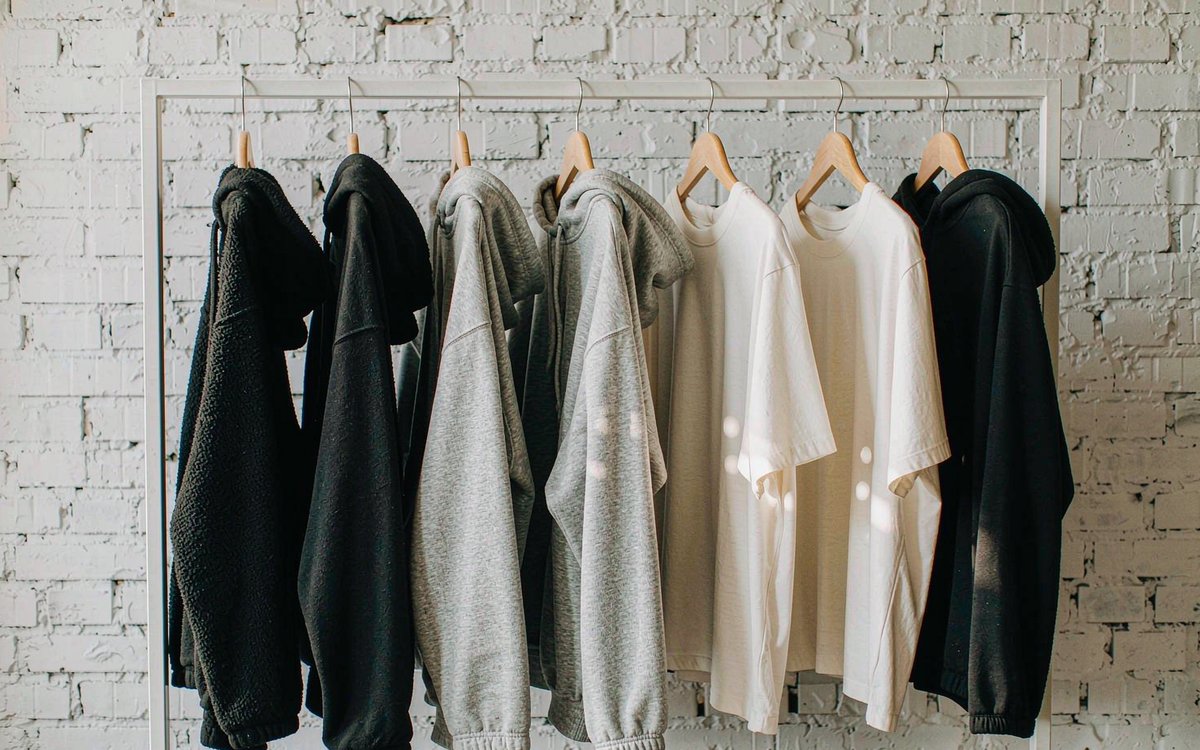
Pick ten brands you'd consider neighbors — not Nike and Supreme, but brands at the scale you realistically reach in two years. For each one, write down their price range, their best sellers (check what's restocked, not what's promoted), their fabric specs if they publish them, and their release rhythm. You're looking for the gap: something customers clearly want that these brands do badly or not at all.
Then read complaints. Seriously. Reddit threads, TikTok comments, Trustpilot reviews of those same brands. "Their 400gsm hoodie pilled after two washes" is a product brief. "Sleeves are weirdly short" is a fit brief. Twenty minutes of complaint-reading will hand you more usable product direction than a month of trend reports.
And a note on trends: by the time a silhouette is everywhere, the brands that profited from it started eighteen months earlier. Use trends to calibrate, not to copy.
3. Build a first collection that's embarrassingly small
First-time founders almost always overbuild. Twelve styles, four colorways each, two fits. Then the quote arrives and the whole plan collapses.
Do this instead:
- One hero product. The piece your brand would be known for if it could only sell one thing. For most streetwear startups that's a heavyweight hoodie or a boxy tee — high margin, year-round demand, and the garment your customers will judge your fabric standards by.
- Two or three supporting pieces. Items that share fabric and trims with the hero so you're not paying development costs on five unrelated products. A hoodie plus a sweatpant in the same fleece is one fabric development, not two.
- A tight color story. Two or three colorways maximum. Every extra color is another dye lot to manage, another inventory pile, another cash commitment.
Keep the total under five styles. You'll sell through faster, learn more per dollar, and your second drop will be designed with real customer data instead of guesses.
"The brands that struggle are rarely the ones with too little product. They're the ones who spent their entire budget proving fifteen ideas at once instead of proving three."
4. Find a manufacturing partner, not just a factory
This is the step founders either rush or overthink. Both are expensive.
You have two working models to choose from. With OEM, you bring the design and the factory executes it. With ODM, the factory co-develops the product with you — useful when you have a strong concept but no technical skills to spec it. Most successful small brands use a mix: ODM for their first collection, drifting toward OEM as they learn what they want.
Whatever the model, judge a factory on four things:
- Do they make your category? A factory that lives in heavyweight fleece will make you a better hoodie than a generalist, full stop. Ask for photos of similar products they've made — not their showroom best, their actual production.
- What's the real MOQ? For custom streetwear, 50 pieces per style per color is a workable industry floor; blanks often go lower. Anyone promising full custom at 10 pieces is either misunderstanding you or planning to disappoint you later.
- How do they sample? A professional shop quotes a sampling window (ours is 3-15 days depending on complexity) and tells you what they need from you: reference images, measurements, a tech pack if you have one. Vague answers here mean vague samples.
- Do they push back? This one surprises people. A factory that says "that embroidery density will pucker this 180gsm jersey — here's what we'd change" is protecting your product. A factory that says yes to everything will let you pay for your own mistakes.
A reliable streetwear manufacturer can help new brands move from concept to production — reference image to pattern to sample to bulk — and the good ones will tell you honestly when your idea needs another round of thinking.
5. Test small, then earn the right to scale
Your first production run is not your launch. It's your final exam before the launch.
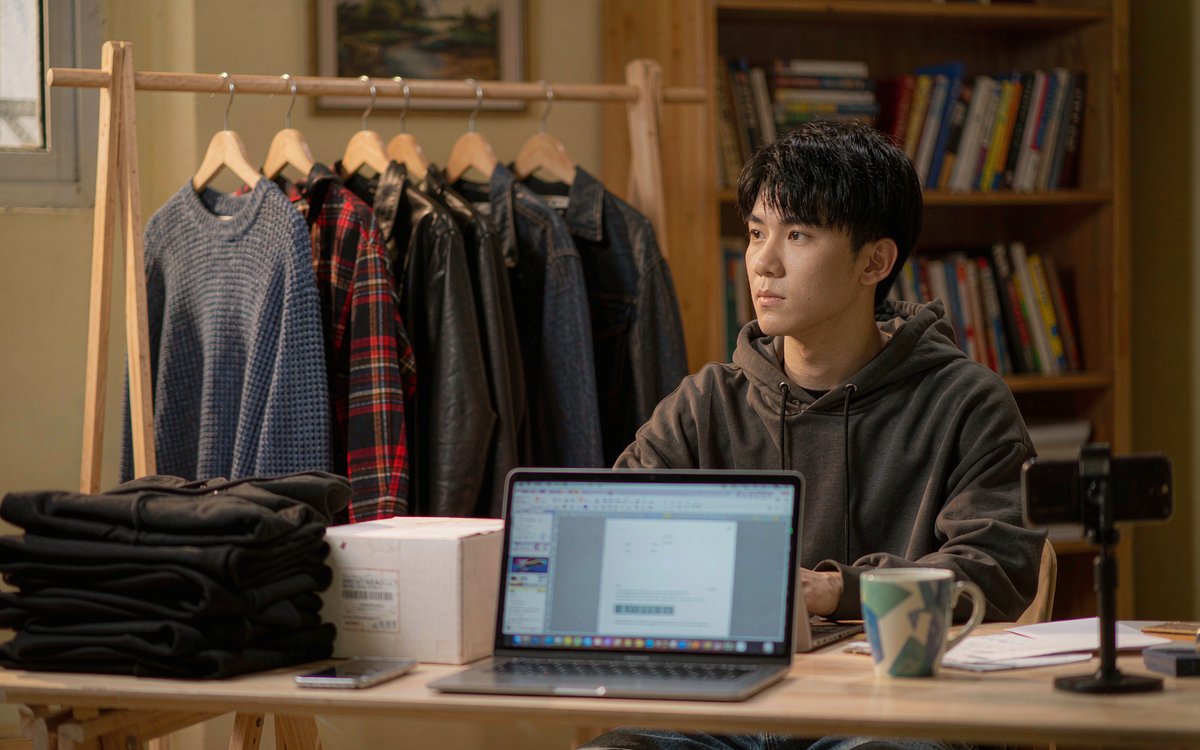
Run the smallest batch your factory allows — for most custom streetwear that's 50-100 pieces across your whole collection. Sell it through whatever channel you have: Instagram, a pop-up, your group chat, it doesn't matter. What matters is what you do next:
- Track sell-through by style, color, and size. If the black hoodie sells out in a week and the green one sits, your second order just wrote itself.
- Read every return reason. Returns are fit and quality data you paid for. Use them.
- Ask buyers directly. A DM that says "how's the hoodie holding up?" gets you feedback no survey will.
- Restock winners fast. Reorders skip development and go straight to production — with us they're typically 20-35 days. Speed here is worth more than a perfect second collection.
Scale only when the same styles sell out twice. That pattern — not your gut, not your friends' opinions — is the signal that a brand exists.
Frequently asked questions
How much money do I need to start a streetwear brand?
For a lean first run of 3-5 styles at 50 pieces each, plan for $5,000-$15,000 all-in: samples, bulk production, labels and packaging, shipping, plus basic marketing and platform costs. Inventory is the majority of it. You can start smaller with blanks and print-on-demand, but custom cut-and-sew at real quality starts around this range.
Do I need a tech pack to start a clothing brand?
No — but you need something unambiguous. A proper tech pack is ideal, but good factories can also develop from clear reference photos, physical samples, or detailed sketches with measurements. What kills projects is vague input: "make it oversized" means ten different things. Whatever format you use, be specific about fabric weight, measurements, and placement of every graphic.
Should I start with print-on-demand or real manufacturing?
Print-on-demand is a fine way to test whether anyone wants your graphics — zero inventory risk. But the per-unit economics and fabric quality cap out fast, and you don't control fit. Most brands that last use POD to validate designs, then move to cut-and-sew manufacturing once a design proves it can sell. Think of POD as market research, not a business model.
How long does it take to launch a first collection?
Realistically, four to eight months from concept to product in hand: a month or two of positioning and design, 3-15 days per sampling round (plan for two or three rounds), then 20-35 days for bulk production plus shipping. Founders who rush the sampling phase almost always lose more time fixing bulk problems than they saved.
What sells best for a new streetwear brand?
Heavyweight hoodies and boxy tees, consistently. They're season-proof, size-tolerant, and customers judge a streetwear brand by exactly these basics. Save the experimental silhouettes for drop three, when you have customer data and cash flow to gamble with.
Conclusion
Starting a streetwear brand in 2026 is genuinely easier than it was five years ago — lower minimums, faster sampling, AI tools for the parts that used to need specialists. What hasn't changed: the brands that survive are the ones with a clear point of view, a tiny first collection, a manufacturing partner who tells them the truth, and the discipline to test before scaling.
Do those four things in that order and you're ahead of most people who try this. And when you're ready to talk fabric weights and sampling timelines, that's literally what we do all day — start the conversation here.